
 (888) 229-7989
 Client Portal
What Happens if You Have Alcohol Poisoning?
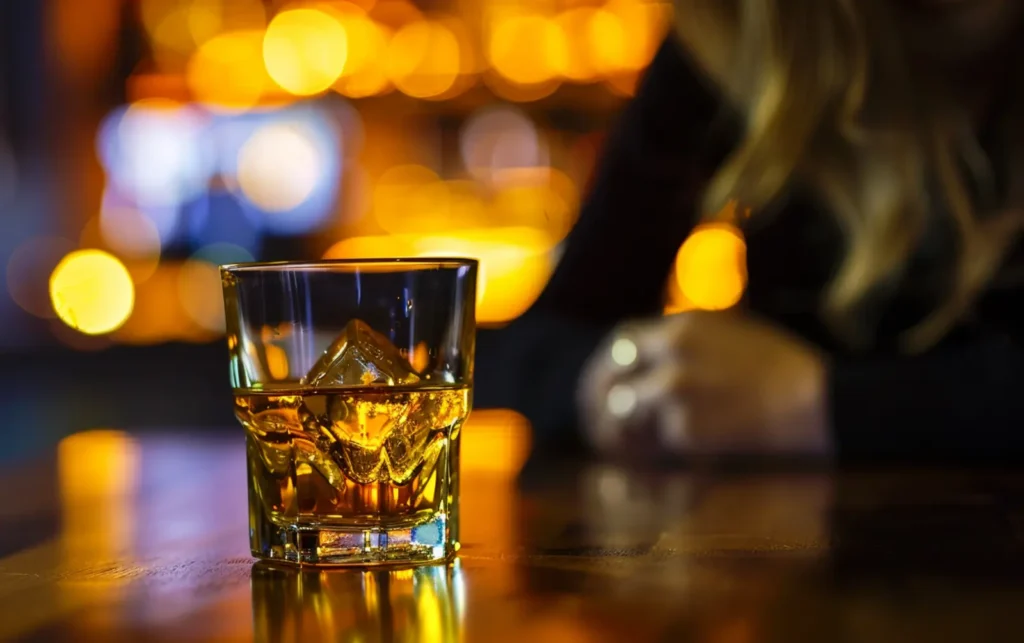


What happens if you have alcohol poisoning, and how is alcohol poisoning treated? It is treated with emergency medical care that may include close monitoring of breathing and other vital signs, oxygen, IV fluids, glucose, vitamins, airway support, and other supportive measures while the body clears the alcohol. That is vital information for people who drink, the friends or family members who may need to respond, and anyone trying to understand alcohol poisoning treatment and prevention.
Many people in the United States drink alcohol every day of the week, and a surprising number drink far too much. Of those people, there are more than 2,000 deaths from alcohol poisoning each year, a total of about six every day.[1] These are very sobering statistics. Knowing what alcohol poisoning is, what causes it, the symptoms to watch for, why binge drinking is so dangerous, when to call 911, how doctors treat it, how to help prevent it, and what addiction treatment options may help afterward can save a life.
Alcohol poisoning is something most people who drink don’t really think about because few people understand their bodies have limits when it comes to alcohol tolerance, and very few know how alcohol poisoning occurs and how little warning it gives.
What Is Alcohol Poisoning?
Alcohol poisoning happens when someone drinks an excessive amount of alcohol, so much so that it floods his or her bloodstream, raising blood alcohol concentration levels (BAC), and affects the parts of the brain responsible for controlling vital functions, such as temperature, heart rate, and breathing.[2] A low body temperature, seizures, and uneven or depressed breathing all indicate potential alcohol poisoning.[3]
Although it’s possible to suffer from alcohol poisoning by accidentally consuming ethanol from some household products, in most cases, it happens because someone has had too many drinks in too short a period. A human liver is only able to process a certain amount of alcohol in an hour, with the amount differing between beverages:
- 12 ounces of beer
- 5 ounces of wine
- 8 ounces of malt liquor
- 1.5 ounces of distilled spirits
The Danger of Binge Drinking
Binge drinking has been found to be one of the primary causes of alcohol poisoning in the United States.[4] Binge drinking means drinking four drinks or more within about two hours for females or five drinks or more over the same period for males.[5] Some people are at higher risk, especially those with low body weight or those combining alcohol with other depressants, which increases overdose risk. Young adults are at risk of alcohol poisoning from binge drinking because of their cultural environment and peer pressure.[6] Ninety percent of people who have alcohol poisoning from binge drinking aren’t alcohol-dependent.[7] But alcohol abuse disorder has been linked to 30 percent of deaths relating to alcohol.[8]
What Does Alcohol Poisoning Do to the Body?
If someone drinks more alcohol than the liver can process in an hour, that extra amount remains in the body and takes longer to be processed. Because alcohol is consumed as a liquid, it is digested before entering the bloodstream and brain. If someone begins to display signs of alcohol poisoning, not all the alcohol that was consumed may yet be in his or her bloodstream.
The effects of alcohol poisoning include:
- Slowed brain function. Coordination and balance are affected first. Then, it spreads to the other systems in the body.
- The stomach becomes irritated and vomiting occurs.
- The muscles stop coordinating and lose sensitivity, causing the gag reflex to stop. This can lead to choking on vomit.
- The nerves that control breathing and heartbeat are affected, and this could cause slowing, irregularity, or even stoppage. Severe alcohol toxicity can also lead to long-term harms such as liver disease and cognitive impairment.
- Blood sugar levels drop, causing seizures.
- The body temperature drops, resulting in hypothermia.
- The body dehydrates, contributing to serious complications, including permanent brain damage in severe cases.
Alcohol Poisoning Symptoms
Knowing the symptoms of alcohol poisoning can help you recognize the critical signs and get emergency medical care quickly.
- Hypothermia
- Vomiting
- Disorientation, mental confusion, or confusion
- Unconsciousness or difficulty remaining conscious
- Clammy and cold skin
- Irregular pulse
- Poor coordination
- Seizures
- Depressed breathing, including slow breathing or trouble breathing
- Choking
- Blue skin
- Loss of control of the bladder or bowels
What to Do If Someone Is Suspected of Having Alcohol Poisoning
If your friend or family member is suspected of suffering from alcohol poisoning, call 911 immediately or go to the nearest emergency room. If you are waiting for help, stay with him or her to make sure he or she doesn’t choke or hurt himself or herself. Monitor breathing every minute or two while you wait. You cannot treat alcohol poisoning at home, and do not rely on coffee or cold showers. Get emergency assistance immediately, even if he or she is speaking and is conscious, because the alcohol may not have entered the bloodstream yet; telling responders what the person drank and when the last drink was can help, and alcohol poisoning is life-threatening.
While you wait for medical help, do the following:
- Keep the person awake if you can.
- Keep him or her sitting upright or in the recovery position.
- If he or she is fully awake and able to swallow safely, persuade him or her to sip some water slowly.
- If the person is unconscious, roll him or her over to one side and keep his or her arms up and over his or her head to prevent any choking on vomit.
- Cover him or her with a blanket.
What Not to Do for Alcohol Poisoning
Don’t feed the person anything since choking is a possibility, and don’t give him or her any medication or try to make him or her sick. Also, don’t encourage the individual to walk since his or her poor coordination could cause a fall. Refrain from shocking him or her with cold water, and avoid home remedies like coffee or cold showers, since these can make things worse by increasing the chance of hypothermia. At all costs, you should never leave the individual alone and keep him or her away from any more alcohol.
Once emergency help arrives, the individual will be taken to the hospital for medical treatment and monitored while the body rids itself of alcohol; recovery can take up to 24 hours. How alcohol poisoning is treated depends on symptoms and condition, but hospital treatments can include:[9]
- Ongoing monitoring for lasting damage
- Intubation to improve breathing and prevent choking
- Oxygen therapy
- Fluids are given intravenously to restore hydration and correct electrolyte imbalances
- Glucose
- Thiamine to help prevent Wernicke’s encephalopathy in people who have been drinking heavily
- Gastric lavage is rarely used and is only effective shortly after ingestion
- In severe cases, including some involving non-beverage alcohol or ethylene glycol poisoning, hemodialysis may be used, especially when BAC is above 0.40%.
How to Avoid Getting Alcohol Poisoning
There are some simple steps to reduce your risk; people who drink heavily, drink on an empty stomach, or mix alcohol with other drugs are more likely to experience alcohol poisoning:
- Only drink moderately, one drink an hour maximum, though how much alcohol is dangerous varies by factors such as body weight.
- Have a drink of water after each drink.
- Avoid drinking alcohol before eating.
- Never play a drinking game or put yourself in a situation where you’re pressured to drink to excess.
- Never mix alcohol with prescription medication or other substances.
Getting Help with Alcohol Addiction Following Alcohol Poisoning
If you have suffered from alcohol poisoning, you may not have a substance abuse disorder. However, you should think about your level of alcohol consumption, since survivors may still experience effects for days or weeks after the emergency. If you think patterns such as alcohol abuse and alcoholism apply to you, you should seek professional help. SOBA New Jersey offers an innovative approach to treating addiction. It addresses the underlying causes of substance abuse and co-occurring mental health needs to resolve those issues and help you move on to a sober life.
After a medical emergency, understanding how alcohol poisoning is treated can also help you recognize why follow-up support matters. Emergency care may address the immediate danger, but ongoing treatment can help if alcohol use has become difficult to control, and medical detox is safer after alcohol poisoning episodes, especially when alcohol withdrawal or alcohol withdrawal syndrome is a concern. Alcohol withdrawal can begin within 6 to 24 hours after the incident and may require medical monitoring.
SOBA’s qualified doctors and therapists can customize a treatment plan tailored to your individual needs so you can maximize your chance of success, minimize your chance of relapse, and go on to a productive, happy, and healthy life in the future without alcohol in it.
There is a Better Way to Live. It’s Time to Get the Help You Deserve.
Take the first step in getting your life back. Speak with our admissions team today.
Soba NJ’s Editorial Guidelines
Like any policy, an editorial policy sets forth a standard for all content produced by Soba NJ. By measuring all content, educational materials, and curricula against this standard, we can ensure that all resources are prepared to meet or exceed our high standards for accuracy, relevance, and integrity. We’re committed to upholding this standard by adhering to three primary objectives when creating all resources.