Crack Addiction Treatment That Helps You Break the Cycle

Last Updated On: Sep 7, 2026Medical Review On: Sep 7, 2026
Table of Contents Chevron Logo

    Crack addiction can happen faster than people expect. The high it produces is intense yet short-lived, and the crash afterward can be hard to sit with, driving more and more use.

    Someone might start smoking crack as a way to feel more confident, have more energy, or dull feelings of overwhelm. Others try it recreationally. But however usage begins, it doesn’t take long until a person finds themselves needing to take it again to calm cravings and fend off exhaustion, irritation, and emotional lows.

    But crack is a devastating addiction to live with. Over time, it can affect sleep, finances, relationships, job performance, health, and self-control. However, recovery is possible.

    Crack addiction treatment can provide an opportunity for stabilization, a chance to better understand why someone is stuck in this pattern of use, and develop a recovery strategy to produce lasting positive results.

    Key Points
    Crack cocaine is a processed, solid form of cocaine that is most often smoked and produces an immediate but temporary high.
    Crack addiction develops through changes in the brain’s dopamine and reward pathways, which can intensify cravings and compulsive use.
    Crack withdrawal involves several uncomfortable side effects such as severe fatigue, depression, disrupted sleep patterns, irritability, anxiety and extreme cravings.
    Long-term crack use can contribute to chronic coughing, asthma, breathing difficulties, pneumonia, nutritional deficiencies, movement disorders, and cocaine use disorder.
    Currently, there are no FDA approved medications available for treating cocaine abuse. Treatment must focus on behavioral therapy.

    What Is Crack?

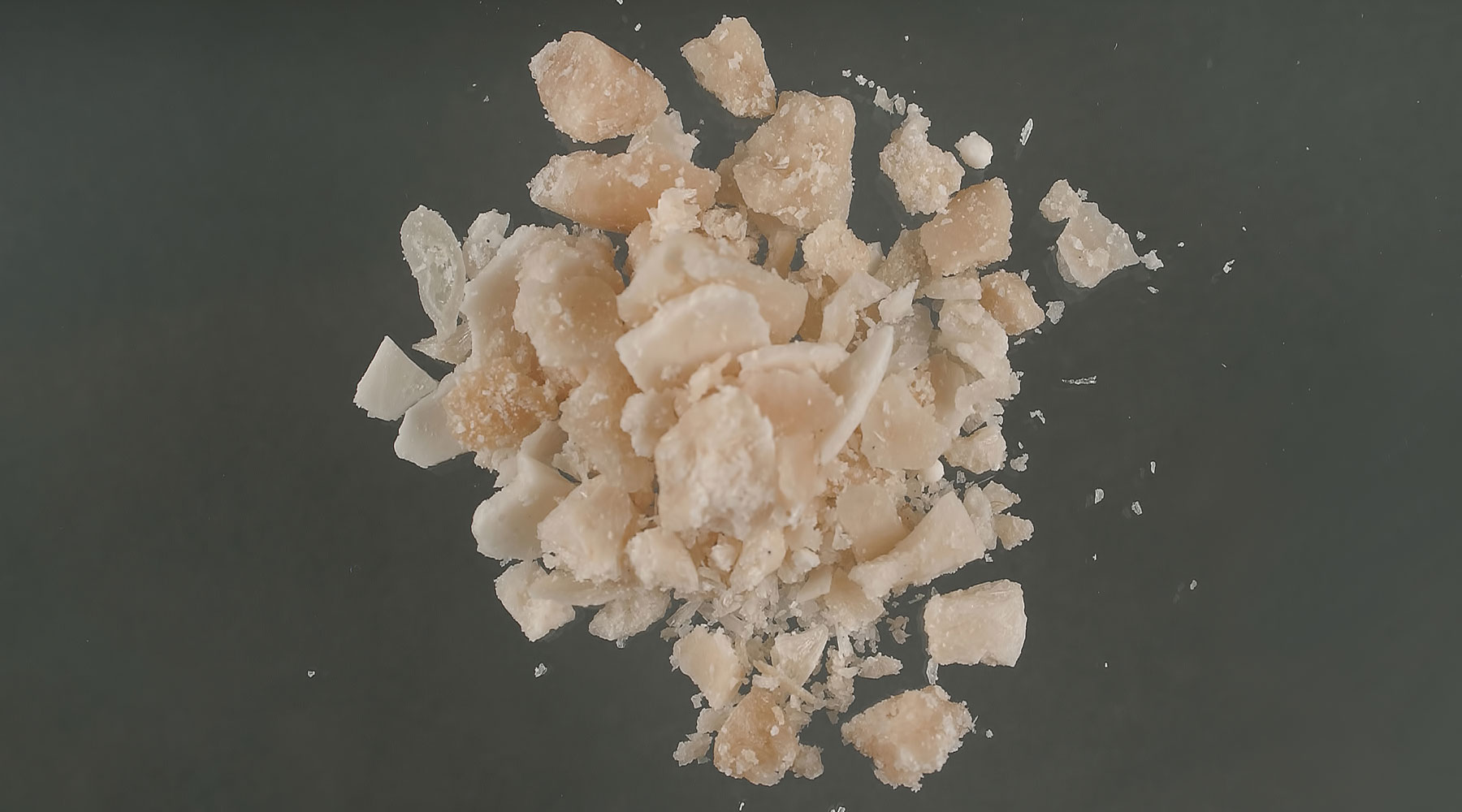
    Crack cocaine is a form of cocaine that has been processed into small rocks or crystals that are typically smoked. Crack is a powerful stimulant drug made from the coca plant, and both powder cocaine and crack cocaine affect the central nervous system.[1]

    Because crack is smoked, the effects reach the brain quickly. It produces a sudden rush of energy, euphoria, alertness, increased confidence, or emotional escape. The effects are generally short-lived as well, which can drive someone to continuously use it over a short amount of time.[2]

    Smoking crack also carries serious risks for the user’s physical and psychological well-being. Cocaine is a stimulant, and smoking crack can raise your heart rate, blood pressure, and body temperature; heighten levels of agitation and anxiety; and increase the risk of heart attacks, strokes, seizures, and overdose. Crack use may also contribute to an escalation in risky behavior, financial difficulties, deteriorating interpersonal relations, and deteriorating mental health.[3]

    Begin Your Journey

    The team at Soba NJ understands that it can be overwhelming to reach out for help. If you are not ready to make a phone call, feel free to text with one of our caring treatment coordinators right now.

    Crack Addiction and Abuse

    Addiction to crack develops through the way it affects dopamine, a neurotransmitter responsible for reward, motivation, and learning. Crack use floods the brain with dopamine, which is what creates the “high” associated with its use and reinforces the desire to continue using again.[4] Because smoking crack delivers cocaine to the brain within seconds, nearly as quickly as injection and much faster than snorting, it produces an intense but brief rush that may be followed quickly by a crash.

    At first, a person may use crack for the high it produces, along with the energy and confidence, diminished social inhibitions, or a temporary reprieve from stressors or emotional pain. Repeated use, however, can condition the brain to associate crack with relief, reward, and even survival. Over time, natural rewards such as tasty food, quality time with a loved one, accomplishing a goal, or hobbies and activities start to appear uninteresting, which can increase cravings for crack and make continued use feel necessary just to experience pleasure or feel normal.

    Repeated crack cocaine use also builds tolerance, meaning that a regular dose no longer has the effect it once did, requiring larger amounts or more frequent use to achieve the desired effects. When the initial high wears off, potential negative consequences may emerge, including fatigue, low mood, anxiety, irritability, and strong cravings. This creates a vicious loop of using, crashing, craving, repeating.

    Eventually, rather than continuing to use solely to experience a high, a person may begin using in order to avoid unpleasant withdrawal symptoms, manage cravings, or function.

    Signs of Crack Addiction

    Crack addiction is visible in behavior, mood, appearance, and daily functioning. Some people binge and disappear into sleep or exhaustion. Others become secretive, restless, or obsessed with finding money or time to use.

    Possible signs of addiction to crack include:

    • Strong cravings that won’t go away and repeated unsuccessful efforts to stop
    • Using more crack than you intended
    • Staying awake for long periods and then crashing
    • Weight loss or changes in appetite
    • Poor sleep
    • Anxiety, paranoia, irritability, or mood swings
    • Burned lips or fingers from smoking
    • Financial troubles, secrecy, or missing valuables
    • Neglecting work, school, family, or responsibilities
    • Continuing to use crack despite health, legal, relationship, or safety problems

    If crack is mixed with fentanyl or other opioids, overdose risk can increase quickly.[5] Naloxone can reverse an overdose from opioids but does not reverse a cocaine overdose. If a loved one has chest pain, seizures, extreme agitation, confusion, loss of consciousness, slow breathing, or suspected overdose after cocaine use, call 911 right away.

    Crack Withdrawal and Detox

    While crack withdrawal is not as medically dangerous as alcohol or benzodiazepine withdrawal is, it can still be very difficult because the emotional crash is intense.

    Withdrawal symptoms can begin within hours after the last dose and include fatigue, depression, increased appetite, disrupted sleep, vivid dreams, anxiety, irritability, slowed thinking, and strong cravings; some people may have thoughts of suicide, especially after heavy or long-term use of stimulants.[6]

    This is where medical detox can help. Detoxification helps clients through the early part of discontinuing crack cocaine use. They provide constant clinical monitoring and support for sleep, nutrition, hydration, mental health, and cravings and withdrawal symptoms. Medical detox is especially important if there are multiple drugs involved or the client is managing severe depression, psychosis, thoughts of suicide, or major health issues.

    But while detox handles the physical aspect of addiction, it is not comprehensive treatment by itself. It helps someone stop using long enough to stabilize, but therapy and recovery support are usually needed to prevent relapse. Deeper work happens later through behavioral therapy, when clients start learning how to manage cravings, rebuild routines, and address why crack became part of their life in the first place.

    Evidence-Based Treatment for Crack Addiction

    There are currently no FDA-approved medications that specifically target cocaine use disorder or stimulant use disorder, so behavioral treatment forms the core of care.[5] Treatment should be personalized to the client’s history of substance use, mental health, home environment, medical needs, and recovery goals.

    Common approaches to treatment might include:

    01

    Cognitive behavioral therapy

    CBT helps clients identify triggers, thoughts, emotions, and routines that lead to crack use. It also teaches coping skills for cravings, stress, emotional discomfort, and relapse prevention.

    02

    Contingency management

    Contingency management uses structured incentives to reinforce recovery-supporting behaviors, such as attending treatment or maintaining abstinence. Contingency management is considered the current standard of care for stimulant use disorders because it has the strongest evidence of effectiveness.[8]

    03

    Group Therapy

    Group therapy helps clients build accountability, receive support, and learn from others who understand stimulant addiction recovery.

    04

    Relapse prevention

    Relapse prevention helps clients recognize warning signs, prepare for high-risk situations, and create a plan for managing cravings, stress, triggers, and setbacks without returning to crack use.

    Mental Health and Crack Cocaine Use

    Crack cocaine use and mental health are interconnected.

    Crack cocaine use often overlaps with co-occurring disorders, such as depression, anxiety, and post-traumatic stress disorder (PTSD), while others develop paranoia, panic attacks, insomnia, agitation, or symptoms of psychosis after repeated use.[9]

    Effective treatment needs to address both substance use disorder and mental health issues at the same time. If mental health symptoms are ignored, they can drive cravings and increase the risk of relapse. At the same time, continued crack use destabilizes sleep, moods, decision-making, and relationships, which can worsen mental health symptoms.

    Support After Crack Addiction Treatment

    Aftercare is where clients learn to live their recovery in real life.

    This might include continuing outpatient sessions, support groups like Cocaine Anonymous, recovery coaching, sober living, family support, relapse prevention, and continued therapy.

    Support groups are another excellent option to help people stay connected to others who understand cravings and the emotional highs and lows of stimulant recovery. Aftercare planning also helps clients prepare for high-risk moments such as payday, conflict, loneliness, contact with old friends, or places related to use.

    Recovery doesn’t need perfection; it just requires a plan, support, and a willingness to keep coming back to tools that protect long-term healing.

    Frequently Asked Questions About Crack Addiction Treatment

    01

    What is crack addiction treatment?

    Treatment for crack addiction helps people stop using crack cocaine, manage cravings and withdrawal symptoms, address mental health needs, and build skills for preventing relapse. Treatment might include detox support, therapy, PHP, IOP, residential treatment, outpatient care, and aftercare.

    02

    What makes crack cocaine so addictive?

    Crack cocaine affects pathways in the brain that are involved with reward and motivation. Because the high is quick and short, people tend to use it repeatedly to chase that high or avoid the crash, which can strengthen cravings and drive compulsive use.

    03

    What are crack withdrawal symptoms?

    Symptoms of crack withdrawal can include fatigue, depression, changes in sleep patterns, increased appetite, irritability, anxiety, slowed thinking, and strong cravings. Some people may also experience suicidal thoughts and need immediate support.

    04

    Is there medication-assisted treatment for crack addiction?

    There are no medications approved specifically for cocaine use disorder. Treatment usually relies on behavioral therapies such as CBT, contingency management, group therapy, individual therapy, family therapy, and relapse prevention.

    05

    What level of care is best for crack cocaine recovery?

    The best level of care depends on symptoms, safety at home, mental health, and risk of relapse. Options include residential treatment, PHP (partial hospitalization program), IOP (intensive outpatient program), outpatient care, and sober living.

    A Real Way Out of the Crack Cocaine Cycle

    Addiction to crack can make every day feel urgent, but the right treatment can slow down the cycle and help you regain control.

    If your crack cocaine use has become something you can no longer control, SOBA New Jersey is here to help. Reach out today. Our admissions team is waiting to take your call, help you find the right level of care, and start building a recovery plan that fits your life.

    Sources

    [1] [2] [3] [4] National Institute on Drug Abuse. (2024). Cocaine. National Institutes of Health. https://nida.nih.gov/research-topics/cocaine

    [5] Substance Abuse and Mental Health Services Administration. (2024). Overdose prevention and response toolkit. U.S. Department of Health and Human Services. https://library.samhsa.gov/sites/default/files/overdose-prevention-response-kit-pep23-03-00-001.pdf 

    [6] [7] [9] Substance Abuse and Mental Health Services Administration. (2021). Treatment for stimulant use disorders: Updated 2021. U.S. Department of Health and Human Services. https://www.govinfo.gov/content/pkg/GOVPUB-HE20_400-PURL-gpo171771/pdf/GOVPUB-HE20_400-PURL-gpo171771.pdf

    [8] American Society of Addiction Medicine & American Academy of Addiction Psychiatry. (2024). The ASAM/AAAP clinical practice guideline on the management of stimulant use disorder. https://downloads.asam.org/sitefinity-production-blobs/docs/default-source/quality-science/stud_guideline_document_final.pdf