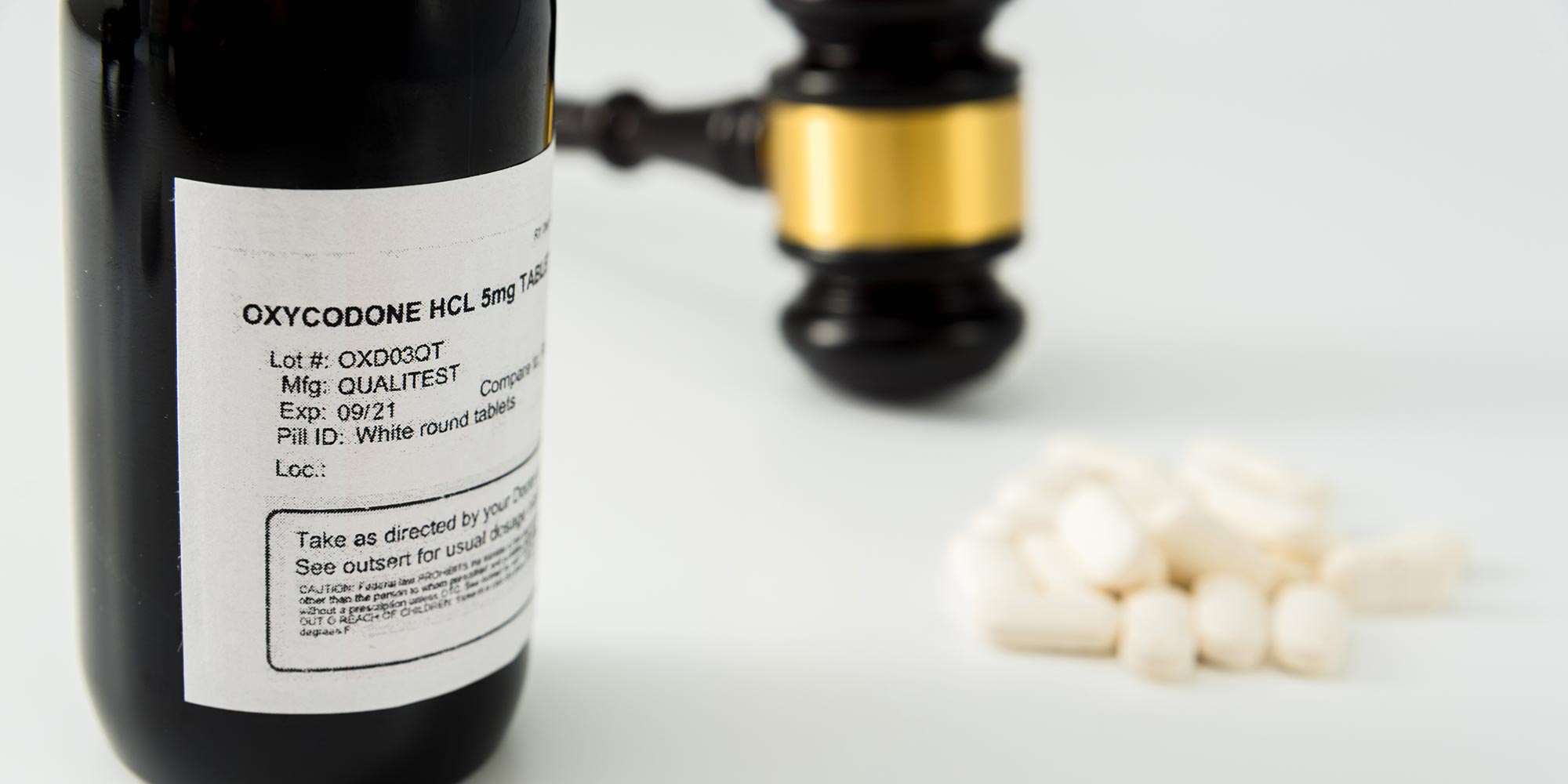
What Is Oxycodone?
Oxycodone is a prescription pain reliever that is commonly prescribed for moderate to severe pain such as post-surgery pain, pain from injuries, or certain long-term pain conditions.[1] Brand names and combination products that contain oxycodone include OxyContin, Percocet, Percodan, Roxicodone, Xtampza ER, and other medications prescribed for pain.
Like other opioid medications, oxycodone works by binding to receptors in the brain and body that influence pain relief, reward, breathing, sedation, and emotional response; this reduces pain and produces relaxation, euphoria, drowsiness, and other less desired side effects like constipation and slowed breathing.[2]
Oxycodone is a Schedule II controlled substance, meaning that while it does have legitimate medical use, it also carries a risk of misuse, physical dependence, addiction, and overdose.[3] Risk increases when someone takes higher doses than prescribed, uses more often than directed, takes someone else’s prescription, crushes pills or snorts them, mixes them with alcohol or sedatives, or continues use after the original pain condition improves.
Begin Your Journey
The team at SOBA NJ understands that it can be overwhelming to reach out for help. If you are not ready to make a phone call, feel free to text with one of our caring treatment coordinators right now.
Oxycodone Addiction and Abuse
Addiction to oxycodone usually progresses through different stages.
At first, oxycodone is prescribed for clear medical reasons: to reduce very severe pain, to make sleep easier, or to help someone function after an injury or surgery. For some people, it also brings a sense of calm, warmth, or emotional relief that goes beyond just pain management.
With repeated use, the brain and body can start adapting to oxycodone. Tolerance develops, and suddenly the same dose no longer has the same effect as it once did. Someone might feel drawn to take more, space doses closer together, or continue taking the medication longer than intended. Physical dependence can also develop so that withdrawal symptoms show up when the drug wears off, or the dose is reduced.
This is where oxycodone abuse can become a self-reinforcing cycle. Someone no longer takes the drug just for pain relief, and instead they are taking it just to avoid withdrawal, to tamp down cravings, to manage anxiety, or just to feel okay enough to get through each day. Fear of becoming sick can drive decisions even when someone knows using oxycodone is bad for health, relationships, work performance, or overall wellbeing.
Repeated exposure to opioids also changes how the brain responds to rewards.[4] With continued exposure, the drug feels more important while everyday rewards feel less satisfying. Over time, cravings narrow focus until getting and using oxycodone feels very urgent. This does not mean the person is weak; it means that opioid use disorder has begun to change how the brain reacts to pain, stress, and reward.
SOBA New Jersey Editorial Policy
All content provided by SOBA NJ is measured against our stringent editorial policy. By measuring all content, educational materials, and curricula against our editorial guidelines, we can ensure that every resource we produce not only meets expectations but exceeds our high standards. We strive to deliver accurate and objective content based on experience and a deep knowledge of the recovery process.

 (888) 229-7989
  Client Portal