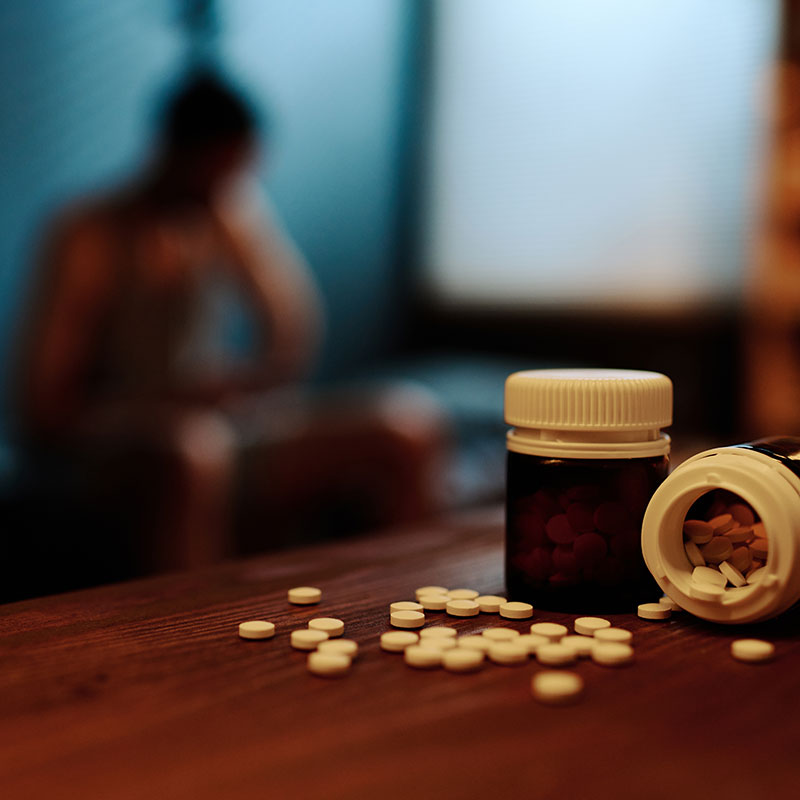
Suboxone rehab treatment center in New Jersey

Suboxone Addiction Treatment for Dependence, Tapering, and Recovery

Last Updated On: Sep 7, 2026Medical Review On: Sep 7, 2026
Table of Contents Chevron Logo

    Suboxone can be a life-changing medication for people who are recovering from addiction to opioids.

    It can also be a real source of confusion and frustration when dependence, misuse, or fear of withdrawal starts to develop with it over time.

    Some people start taking Suboxone as part of a treatment plan for opioid use disorder that uses medication and get along well under careful medical supervision. Others start misusing the medication right away by using more than what they are supposed to, buying it outside of treatment programs, or they start to feel they can’t function without it.

    However you arrive at your Suboxone dependency, there is a way out. SOBA New Jersey offers individualized treatment that is focused on safety, honesty and personalized care so clients understand what is happening and move forward on their recovery path.

    Key Points
    Suboxone is a brand-name prescription medicine that contains buprenorphine and naloxone.
    Suboxone is used to treat dependence on opioids and should be part of a comprehensive treatment plan that includes counseling and psychosocial support.
    Physical dependence can occur with Suboxone but dependence is not always the same as addiction.
    Risk of addiction is higher if the medicine is misused, taken without a prescription, combined with sedatives or used without medical guidance.
    Treatment options include detox support when appropriate, tapering if needed, therapy, outpatient care, relapse prevention, support groups and help for any co-occurring mental health issues.

    What Is Suboxone?

    Suboxone is the brand name for a prescription medication that contains two active ingredients: buprenorphine and naloxone.[1]

    Buprenorphine is a partial opioid agonist, which means it attaches to opioid receptors but does not activate them in the same full-strength way as drugs like fentanyl, heroin, oxycodone, or other full opioid agonists.[2] Naloxone is an opioid antagonist included to help discourage misuse by injection by blocking opioid receptors and triggering withdrawal symptoms in someone who is opioid-dependent.[3]

    Suboxone is FDA-approved for the treatment of opioid dependence and is commonly used as part of medication-assisted treatment for opioid use disorder.[4] It may help reduce opioid withdrawal symptoms and cravings, allowing people to stabilize and participate more fully in therapy, recovery planning, and daily life.

    It is usually taken as a film or tablet that dissolves under the tongue or inside the cheek. It should only be used under the guidance of qualified healthcare providers as part of a larger treatment plan.

    Begin Your Journey

    The team at SOBA NJ understands that it can be overwhelming to reach out for help. If you are not ready to make a phone call, feel free to text with one of our caring treatment coordinators right now.

    Suboxone Addiction and Abuse

    Suboxone sits in a somewhat complicated place. It is a drug used to treat addiction to opioids but contains buprenorphine, which itself has the potential for misuse.[2]

    Addiction to Suboxone can develop when use drifts away from stability and toward compulsive use. This can happen if someone takes higher doses than prescribed, takes doses too close together, gets someone else’s prescription, buys it illegally, or combines it with benzodiazepines, alcohol, sedatives, or other substances.

    Dependence can develop once the brain and body adapt to having buprenorphine at opioid receptors. Over time, people feel normal only when the medication is circulating through their system. If doses are missed or Suboxone is discontinued too quickly, it may result in the user feeling sick, anxious, restless, or emotionally overwhelmed. This creates a cycle where they keep using Suboxone to avoid feeling that way.

    This cycle is not necessarily addiction. Physical dependence can develop during appropriate long-term treatment. Addiction is more likely when there is loss of control, secrecy, compulsive use, or use outside the treatment plan. A careful clinical assessment can help determine if tapering safely, more structure, treatment for opioid use disorder, or support for misuse of Suboxone is needed.

    Signs of Suboxone Misuse

    Suboxone misuse can be initially hard to recognize if someone is taking it as part of legitimate opioid addiction treatment. This means the concern is not simply that someone is taking Suboxone, but in how they are taking it and whether it is helping or harming their recovery.

    Below are some signs of Suboxone to watch for:

    • Taking more Suboxone than your doctor prescribed
    • Running low on your medication before you are supposed to
    • Taking Suboxone without a prescription
    • Buying, selling, or trading your medication
    • Taking Suboxone to prevent withdrawal from another opiate without consulting a doctor first
    • Mixing Suboxone with alcohol, benzodiazepines, sedatives, or other substances
    • Finding yourself unable to function without Suboxone
    • Continued use of Suboxone even though it is having negative consequences for work, relationships, legal standing, financial, physical and mental health, or progress in recovery

    Suboxone misuse can also produce unwanted side effects such as headaches, nausea, constipation, sweating, insomnia, drowsiness, and dizziness. The risks increase if buprenorphine is taken together with other depressants like benzodiazepines or alcohol; it increases the chance of respiratory depression.[2]

    Suboxone Withdrawal and Detox

    Suboxone withdrawal happens when someone has developed a dependency on the medication and then either stops taking it abruptly, takes less than usual, or takes inconsistent amounts.

    Symptoms of withdrawal from Suboxone can vary depending upon how long an individual took the medication and when they stopped taking it and may include:

    • Anxiety
    • Body aches
    • Sweating
    • Vomiting
    • Diarrhea
    • Insomnia
    • Restlessness
    • Chills
    • Irritability
    • Cravings

    Because buprenorphine has a long half-life, symptoms may develop differently than withdrawal from shorter-acting opioids.[7]

    Suboxone detox requires careful consideration. Some people may require medically assisted detox while others may be able to safely taper in an outpatient or other structured treatment environment. The best approach depends on other factors including the amount of buprenorphine used per day, duration of use, additional use of other opiates, presence of mental health issues, prior medical conditions, and likelihood of relapse.

    It is critical that Suboxone withdrawal is not viewed as a reason to discontinue medication entirely. Medication treatment for opioid use disorder is associated with significantly reduced rates of overdoses and deaths from overdoses.[8] Detoxification without the use of medications for opioid use disorder is strongly discouraged due to increased risk of return to drug use, overdose, and overdose-related death.[9] Treatment should be focused on the safest and most effective option available for each client.

    Treatment Options for Suboxone Addiction

    Suboxone abuse treatment should be tailored to meet each client’s unique needs. While some clients need assistance tapering from Suboxone after extended periods of time on the medication, others need treatment for their broader opioid use disorder involving fentanyl, oxycodone, heroin, or other opiates. Many clients may also need help for their own reasons because they have been using Suboxone outside of a legitimate treatment program.

    Potential treatment options for Suboxone abuse may include:

    01

    Detox and tapering support

    Clients who are quitting Suboxone may experience fewer withdrawal symptoms if tapered gradually. Some clients may require detoxification or a more structured environment.

    02

    Medication-Assisted Treatment Planning

    Continuing FDA-approved medications or treating opioid use disorder may be safer than discontinuing them.

    03

    Cognitive Behavioral Therapy (CBT)

    CBT helps clients recognize their triggers, thought patterns, and behavior patterns that contribute to ongoing substance use.

    Suboxone, Opioids, and Long-Term Recovery

    Long-term recovery from opioid addiction is possible through the correct use of Suboxone.

    The buprenorphine in Suboxone can help reduce opioid cravings and either block or dull the euphoric effects of other opioids. This stability gives patients the chance to rebuild their daily routines, fix damaged relationships, and attend therapy sessions. But although buprenorphine is effective, it works best when used along with a holistic treatment plan.

    It is essential to find a balance. Patients should never be stigmatized for requiring medication, and they should not be denied access to counseling, support groups, wellness plans, relapse prevention education, and treatment for any co-occurring mental health issues. Overall, recovery is stronger when clients receive treatment that addresses both the physical and emotional aspects of opioid dependency.

    Three people in a therapy session, two on a couch, one with a notepad.

    When a Loved One Is Misusing Suboxone

    It can be hard to know how to react when you suspect a loved one is misusing a medication designed to help them overcome another addiction.

    Suboxone may be less dangerous than going back to using fentanyl or other opioids, but the risks associated with using it without proper medical supervision are real and could result in another cycle of dependency.

    Try to approach the conversation with your loved one without shaming or berating them. Instead, ask open-ended questions such as “what are you currently taking”, “was it prescribed to you”, “are you using any other substances”, and “do you have control over this?” If your loved one is unwilling to get assistance, encourage them to contact a licensed healthcare provider instead of discontinuing use abruptly.

    If your loved one is extremely drowsy, difficult to wake, breathing slowly, or mixing Suboxone with alcohol, benzodiazepines, opioids, or sedatives, seek emergency help.

    Frequently Asked Questions About Suboxone Addiction Treatment

    01

    What is Suboxone?

    Suboxone is a prescription medication containing buprenorphine and naloxone. Suboxone is prescribed to aid in the treatment of opioid dependency as part of a total treatment program.

    02

    What is Suboxone used for?

    Suboxone is typically used to treat people who have developed an opioid use disorder. By helping to alleviate withdrawal symptoms and reduce craving for opioids, Suboxone may be used throughout various stages of opioid addiction treatment under medical supervision.

    03

    Can you become addicted to Suboxone?

    Yes. Suboxone contains buprenorphine, which is an opioid medication with potential for addiction. However, physical dependence on Suboxone while being treated appropriately under medical direction is different from developing an addiction. Addiction involves the loss of control over substance use, continuing to use the substance compulsively, and using the substance even though it causes harm.

    04

    What are signs of Suboxone misuse?

    Common signs of misuse include taking more than directed, finishing prescriptions early, getting medication without a valid prescription, purchasing it from an illegal source, combining it with sedative medications, or continuing to use the medication in ways that interfere with your recovery process.

    05

    What does Suboxone withdrawal feel like?

    Withdrawal from Suboxone may cause symptoms similar to other types of withdrawal, including anxiety, insomnia, excessive sweating, chills, muscle or joint pain, stomach discomfort, restlessness or agitation, and intense cravings. A medical professional can help determine whether tapering or detox support is appropriate.

    Find Suboxone Addiction Treatment at SOBA

    If you believe your use of Suboxone has become unmanageable, SOBA New Jersey can help you find a safe way forward. Our team can help you understand tapering support, alternative forms of treatment, and ongoing care for adults struggling with opioid use disorder.

    Reach out today to speak with an admissions specialist and learn more about how our Suboxone addiction treatment program can help you.

    Sources

    [1] [2] [3] [5] U.S. Food and Drug Administration. (2025). Suboxone prescribing information. https://www.accessdata.fda.gov/drugsatfda_docs/label/2025/022410s057lbl.pdf

    [4] [8] Centers for Disease Control and Prevention. (2024). Opioid use disorder: Treating. U.S. Department of Health and Human Services. https://www.cdc.gov/overdose-prevention/hcp/clinical-care/opioid-use-disorder-treating.html

    [6] [7] Substance Abuse and Mental Health Services Administration. (2021). Buprenorphine quick start guide. U.S. Department of Health and Human Services. https://library.samhsa.gov/sites/default/files/buprenorphine-quick-start-guide.pdf