
 (888) 229-7989
 Client Portal
6 of the Most Addictive Drugs to Avoid at All Costs
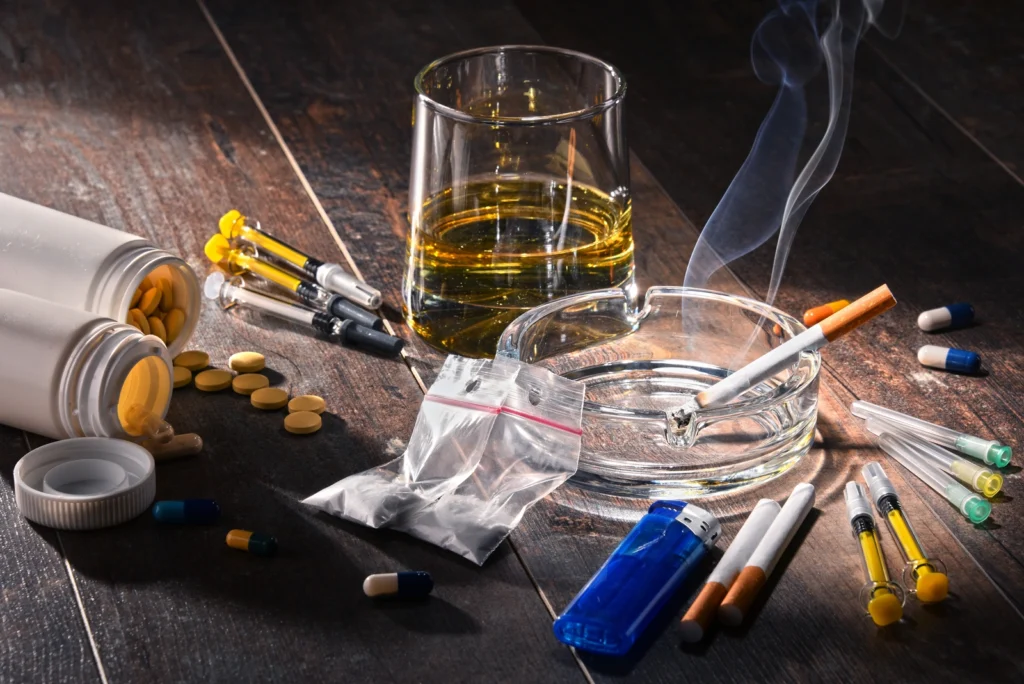


Although it’s not always visible, addiction is everywhere. In fact, nearly 21 million Americans are struggling with addiction right now.[1] Among the most addictive drugs are heroin, cocaine, alcohol, nicotine, crystal meth, and methadone, substances known for especially high addictive potential and, in many cases, severe withdrawal symptoms.
Addiction is in our grocery stores, our workplaces, and even, in some cases, our homes. It can be hard to understand from an outside standpoint, but sometimes it helps to take a look at the most addictive drugs to really grasp what an addict is going through.
While genetics account for anywhere between 40 and 60 percent of a person’s addiction risk, environmental factors and mental health also have a significant influence.[2] A lot of drug addiction also has to do with the type of drug the addict is consuming; nearly 15,000 more addictive drugs have the potential to pose a higher threat than others.
Although it’s best to steer clear of all drugs, there are some that are more dangerous than others when it comes to developing addictions. This article will walk you through these addictive substances and the damage they can cause.
1. Heroin
Heroin is a highly addictive drug and an opiate made from morphine, and it accounts for over 5,000 fatal drug overdoses each year.[3]
When you take a look at how heroin works inside the body and mind, it’s easy to see how so many people get addicted to it. It binds to opioid receptors and allows users a sudden rush of intense euphoria after it’s been injected, snorted, or smoked.
Users develop a tolerance quickly to the drug, meaning they often need higher doses to chase the same effect. This makes the risk of overdosing on heroin very, very real. Illicitly manufactured fentanyl and other opioids are often mixed into illegal drugs, making heroin use especially high risk. The painful withdrawals that come with heroin addiction are also a huge hurdle that heroin addicts face when they attempt to get sober. Opioid use disorder involves loss of control over opioid use and affected 691,000 Americans in 2020. Repeated heroin use can deteriorate white matter, and heroin overdose kills more than 136 Americans every day. That’s why it’s best to seek help; you really can’t go at it alone!
2. Cocaine
Most commonly snorted, cocaine is an extremely addictive stimulant that rapidly affects the brain’s reward system and skyrockets dopamine levels (the “happy” chemical). It makes you feel like you’re on top of the world until you need another bump.
Cocaine is the second most widely used drug in the US, and its addiction potential is especially high.
If used frequently, cocaine can damage the communication between nerve cells. Repeated use can also drive cocaine use disorder as brain responses change, meaning that you need more and more in order to feel happy.
Crack cocaine is also highly addictive and dangerous. With this drug, users will smoke the rocks to achieve a high that kicks in faster than its powdery counterpart. Feelings of excitement, hyperactiveness, and bliss rush around in the user’s brain before the high dies down after about 10 short minutes in. Then, the user craves more.
That intense high is part of why cocaine is commonly mixed with other drugs, and because cocaine addiction has among the highest relapse rates of any substance, care relies on behavioral treatment since no FDA-approved medications exist.
3. Alcohol
Yes, alcohol is a drug. It’s also a legal substance and the most widely used drug in America.
Around 14.5 million Americans in 2023 were struggling with alcohol addiction or an alcohol use disorder.[4] Alcohol depresses the central nervous system, alters neurotransmitter activity, and can change brain function over time. Whether it’s alcoholism or binge drinking, anytime that alcohol is consumed in excess, it is dangerous.
As far as long-term risks go, alcohol can cause high blood pressure, heart disease, stroke, liver disease, and digestive issues. Short-term, alcohol can cause impaired judgment and locomotive skills, poor decision-making, dangerous behavior, and even death. In many cases, dependence develops over months or years, not days, and alcohol contributes to 3 million deaths annually worldwide.
4. Nicotine
Nicotine is a legal substance that is widely available, and unfortunately, it’s all too easy to get addicted to it. Too often, nicotine exposes both minors and adults to the harmful effects of addiction and tobacco dependency. Nicotine rapidly reaches the brain, enhances dopamine signaling, raises dopamine levels, and reinforces repeated use.
While nicotine gives the user a buzz, the good feeling doesn’t last forever. If nicotine is regularly used, addiction can come in the form of withdrawals that include poor concentration, difficulty concentrating, and intense cravings.
Nicotine can increase blood pressure and narrow the arteries, which can increase the risk of heart-related health problems. Nicotine is considered as addictive as heroin or cocaine; tobacco is used by 1.25 billion people worldwide, and related deaths reach almost 8 million each year.
5. Crystal Meth
Crystal meth is a manufactured methamphetamine stimulant drug that’s extremely harmful and addictive. It’s one of the most potent stimulants around and is used by over half a million Americans every week.[5]
After smoking, snorting, or injecting crystal meth, users will experience a brief, intense high marked by intense euphoria and pleasure. The user’s new sense of wellbeing, happiness, and confidence can drive repeated use and leave them wanting more of the drug.
Methamphetamine use disorder can develop, and methamphetamine alters brain structures involved in decision-making.
Crystal meth addicts often have damaged blood vessels, increased heart rate and blood pressure, skin sores, and can experience unhealthy weight loss. Withdrawal symptoms can include severe depression and fatigue, and there is no FDA-approved medication for methamphetamine use disorder.
6. Methadone
While it’s an opioid drug commonly prescribed in medication-assisted treatment for opioid use disorder, methadone can actually become an addict’s drug of choice very quickly.
Methadone acts on opioid receptors like other opioids and can produce the same effects of pain relief and euphoria, though not as intensely as heroin, so users suffering from aching withdrawals can still become dependent on it. If methadone is prescribed as treatment, the patient is closely monitored in a medical setting. It is an FDA-approved medication, but because it is highly addictive, it should only be used as directed and not continued longer than three months unless a clinician determines otherwise.
Runner Up: Barbiturates
Barbiturates are taken by people who want to experience muscle relaxation and dulled nerves. They are also known to reduce anxiety, and as prescription drugs that affect the central nervous system, they may be used to treat anxiety, though they carry significant misuse risk. Like other central nervous system depressants, barbiturates can aid in sleep but are all too often abused.
Some sedatives commonly prescribed for anxiety and seizures include benzodiazepines such as Xanax and Valium.
These drugs can cause slowed breathing, low heart rate, and can easily become addictive. Benzodiazepines can cause physical dependence within weeks; withdrawal can be life-threatening, and misuse can lead to severe cognitive impairment. Because the correct dosage is very difficult to determine, barbiturate overdoses happen frequently.
Mostly ingested in pill form, barbiturates account for hundreds of overdoses across the U.S. each year, underscoring the addictive nature of these depressants.
Stay Away from the Most Addictive Drugs
Drugs can rewire a person’s brain, leaving them entirely dependent on quick pleasure and euphoria. They can ruin a person’s life completely, so it’s best to avoid addictive drugs at all costs.
Already addicted or know someone who is? Contact us here at SOBA New Jersey to see how our top-rated programs can work for you so that you can start your new, drug-free life.
Soba NJ’s Editorial Guidelines
Like any policy, an editorial policy sets forth a standard for all content produced by Soba NJ. By measuring all content, educational materials, and curricula against this standard, we can ensure that all resources are prepared to meet or exceed our high standards for accuracy, relevance, and integrity. We’re committed to upholding this standard by adhering to three primary objectives when creating all resources.