
 (888) 229-7989
  Client Portal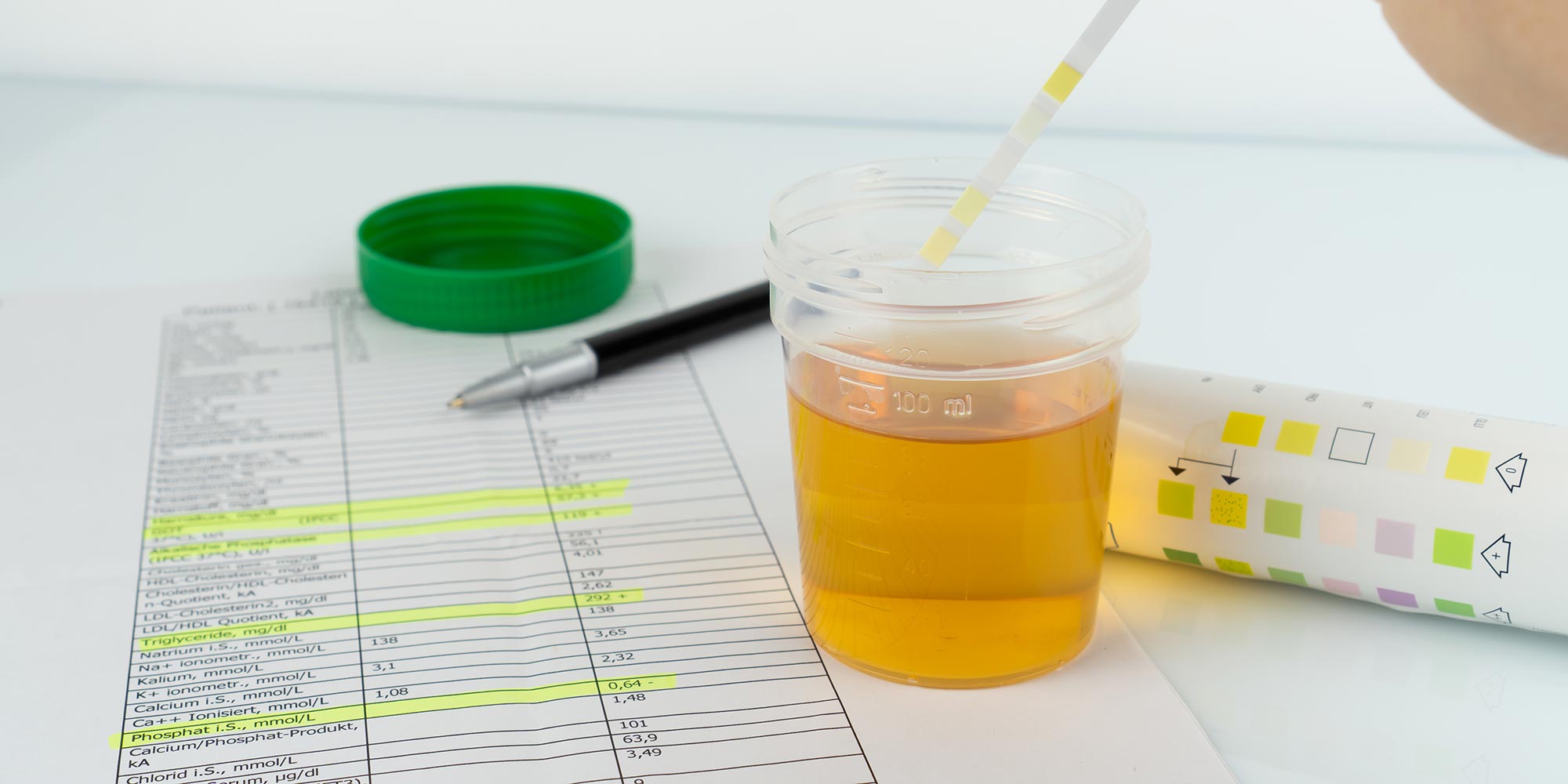
How Long Does Crack Stay in Urine? Effects, Drug Tests, and Symptoms


Key Points
- Crack or crack cocaine is a powerful stimulant drug that is highly addictive.
- The euphoric high from this substance is brief, but it can still be detected in urine days after use.
- Multiple factors affect crack detection times in urine drug tests.
- Crack use has numerous short and long-term mental and physical health consequences.
How Long Does Crack Stay in Urine?
Crack is a powerful stimulant drug that is highly addictive. While the high is a brief 15 minutes, the effects can last longer and cause long-term mental and physical health problems. It can be detected in urine drug tests for two to three days after the last use and up to two weeks for heavy users.
What is Crack Cocaine?
Cocaine is a stimulant drug that is processed from the leaves of the coca plant.[1] Cocaine can be used medically as an anesthetic. However, it is more likely to be used as an illegal drug due to its pleasant side effects, including feeling energized, alert, and happy.
Crack is a form of cocaine. Cocaine is a white powder, and crack cocaine is the processed or cooked cocaine. It’s called crack, as the cocaine makes a crackling noise as it is being made into crack. The cooking process involves dissolving cocaine and baking soda in water and then boiling it until it becomes a solid.[2] This changes the cocaine from a white powder into small white, off-white, or brown chunks or rocks of crack.
Crack is most often used by smoking, either with a glass pipe or mixing it with tobacco or marijuana. This results in an almost immediate effect of euphoria or high. The high is brief, with effects felt for 15 minutes.[3]
How Long Does Crack Stay in Urine?
A urine test is the most common way to drug test for cocaine use. It is effective and quick, with results available within a few hours after collecting the urine sample.
A urine test can detect the stimulant for two to three days after use.[4] Depending on your frequency or amount of use, the urine test could be positive for up to two weeks after your last use.
Get a Confidential Callback Now
To learn more about our New Jersey drug and alcohol treatment, contact us online or dial (888) 229-7989. We are available 24/7 to assist you. If you would like an immediate callback, fill out the form here.
How Long Does Crack Stay in Urine?
Crack is a powerful stimulant drug that is highly addictive. While the high is a brief 15 minutes, the effects can last longer and cause long-term mental and physical health problems. It can be detected in urine drug tests for two to three days after the last use and up to two weeks for heavy users.
What is Crack Cocaine?
Cocaine is a stimulant drug that is processed from the leaves of the coca plant.[1] Cocaine can be used medically as an anesthetic. However, it is more likely to be used as an illegal drug due to its pleasant side effects, including feeling energized, alert, and happy.
Crack is a form of cocaine. Cocaine is a white powder, and crack cocaine is the processed or cooked cocaine. It’s called crack, as the cocaine makes a crackling noise as it is being made into crack. The cooking process involves dissolving cocaine and baking soda in water and then boiling it until it becomes a solid.[2] This changes the cocaine from a white powder into small white, off-white, or brown chunks or rocks of crack.
Crack is most often used by smoking, either with a glass pipe or mixing it with tobacco or marijuana. This results in an almost immediate effect of euphoria or high. The high is brief, with effects felt for 15 minutes.[3]
How Long Does Crack Stay in Urine?
A urine test is the most common way to drug test for cocaine use. It is effective and quick, with results available within a few hours after collecting the urine sample.
A urine test can detect the stimulant for two to three days after use.[4] Depending on your frequency or amount of use, the urine test could be positive for up to two weeks after your last use.
What Other Tests Detect Crack Use?
Urine tests are often intrusive as someone may watch the person providing the sample as they urinate into a cup to keep the person from trying to cheat. Alternative testing methods, such as saliva tests, are less invasive to a person’s privacy. A saliva test can detect cocaine or its metabolites for one to two days after use.[5]
A blood sample is another way to test for previous crack use. Cocaine can be detected in your blood for up to for twelve hours, and the cocaine metabolite benzoylecgonine can be detected for 48 hours.[6] Blood tests are more invasive and take longer as they require a lab to process and test the blood. Blood testing for cocaine use is usually only done in hospital settings or if your healthcare provider suspects you are abusing drugs.
Hair tests can be used to detect past cocaine use. Cocaine can be detected in hair samples for up to 90 days after your last use. However, it is a more complicated process and has less accurate results than other ways of testing for cocaine use.
Finally, another type of test uses your sweat by placing a patch on your skin. This method is not often used, and results can vary depending on where the patch is placed.
What Is The Half-Life Of Crack?
The half-life of cocaine is 0.7-1.5 hours.[7] It is a fast-acting drug that is quickly eliminated from a person’s system. This is why crack cocaine is detected in tests for such a brief length of time. This also means there is an almost constant need to replenish the cocaine in your system to avoid experiencing withdrawal symptoms.
What Factors May Affect Cracks Detection Window?
Several factors can affect how long crack can be detected in urine, including:[8]
- The amount you use: The higher the amounts you use, the longer it will stay in your body and be able to be detected in a urine sample.
- How often you use: The more often you use crack cocaine, the longer the detection window will be for it to result in a positive urine sample.
- Your body composition: The most frequently tested cocaine metabolite is benzoylecgonine, which can be stored in body fat. You could accumulate more benzoylecgonine in your system if you have a higher body fat percentage.
- Your metabolism: Everybody is different, and depending on your body’s composition and genetics, you may eliminate cocaine from your system faster or slower.
- The purity level of the crack: Drugs often have other substances mixed in with them during processing. Depending on what other drugs or contaminants were mixed in with the cocaine while it was being cooked into crack can impact how long it will be detected, as well as what other drugs may also be detected on a urine screen.
- Drinking alcohol: Mixing alcohol and cocaine can be a deadly combination. It can also cause cocaine metabolites to stay in your system longer, extending their detection window.
- Hydration: Crack is primarily eliminated via urine, which means if a person is well hydrated, they will eliminate the drug from their system faster than a dehydrated person.
Side Effects of Crack Use
Crack is a fast-acting drug, and its effects are felt quickly, within minutes if not seconds. Short-term effects of crack include [9]
- Mental Effects: panic, anxiety, euphoric feeling, feeling happy, feeling more mentally alert, having more energy, increased self-confidence, irritability, and paranoid thinking.
- Physical Effects: dry mouth, increased talkativeness, restlessness, dilated pupils, quicker startle response, muscle twitches, increased sensitivity to sights, sounds, and touch, and a decreased need for food and sleep.
- Serious Effects: tremors, dizziness, violent behavior, nausea and vomiting, rapid or difficulty breathing.The effects of crack worsen with long-term use and can cause lasting changes and health conditions, both physically and mentally.[10]
- Mental Effects: depression, sleeping problems, extreme mood changes, erratic or violent behavior, feelings of distrust and judgment, jealousy, paranoia, hallucinations, delusions, or psychosis.
- Physical Effects: There is a significant list of long-term physical health conditions related to extended crack use.
- Lung and breathing problems: smoking crack puts a significant strain on your lungs and can result in chest pain, low blood oxygen levels, difficulty breathing, collapsed lungs, inflamed lungs, severe coughing, and coughing up blood.
- Heart problems: crack puts significant stress on your heart, which can result in high blood pressure, fast and irregular heart rate, and an increased risk for heart attack.
- Stomach problems: abdominal pain, nausea, vomiting, gastrointestinal perforation, changes in hunger and appetite.
- Sexual/Reproductive problems: decreased libido in men and women, difficulty getting an erection in men, pregnancy difficulties (increased risk for stillbirth, miscarriage, and premature delivery).
Crack Withdrawal Symptoms
If you are unable to maintain a steady level of crack cocaine in your system, you may go into withdrawal. Withdrawal symptoms of crack include [11]
- Intense cravings for crack
- Fatigue, loss of energy
- Irritability
- Depression
- Muscle tremors
- Severe headache
- Violent behavior
- Difficulty sleeping
- Slowed or disoriented thinking
- Constantly feeling hungry
Begin Your Journey
The help you need is just a step away. Contact us today to learn more about our treatment options.
Crack Use and Treatment
Crack and cocaine addiction can cause serious mental and physical health problems. If you or a loved one are struggling with drug addiction, there is crack addiction treatment available. There are numerous treatment options, and many are covered by insurance.
Frequently Asked Questions About Crack Cocaine
According to the 2021 National Survey on Drug Use and Health, 4.8 million people over the age of 12 used cocaine, and 996,000 people used crack in 2021.[12] For comparison, 1.1 million people used heroin, and 52.5 million people used marijuana.
There are many reasons a person may be requested or required to take a urine drug test, including [13]
- Part of a job application
- Applying for health insurance
- Parole requirement
- Suspected of driving under the influence of drugs
- Your healthcare provider suspects you are using crack
- You present at an emergency department with symptoms of crack use
- Part of a drug treatment center’s participation requirements
The United States Department of Justice has compiled a long list of street terms for crack, including 24-7, Badrock, Beat, Candy, Chemical, Cloud, Cookies, Crumbs, Crunch & Munch, Devil Drug, Dice, Electric Kool-aid, Fat bags, French fries, Glo, Gravel, Grit, Hail, Hardball, Hard rock, Hotcakes, Ice cube, Jelly beans, Nuggets, Paste, Piece, Primetime, Product, Raw, Rock(s), Scrabble, Sleet, Snow Coke, Tornado, and Troop.[14]

SOBA New Jersey Editorial Policy
All content provided by SOBA NJ is measured against our stringent editorial policy. By measuring all content, educational materials, and curricula against our editorial guidelines, we can ensure that every resource we produce not only meets expectations but exceeds our high standards. We strive to deliver accurate and objective content based on experience and a deep knowledge of the recovery process.