
 (888) 229-7989
  Client Portal
 How Long Does PCP Stay in Your System? Detection Times, Factors, and Myths Explained
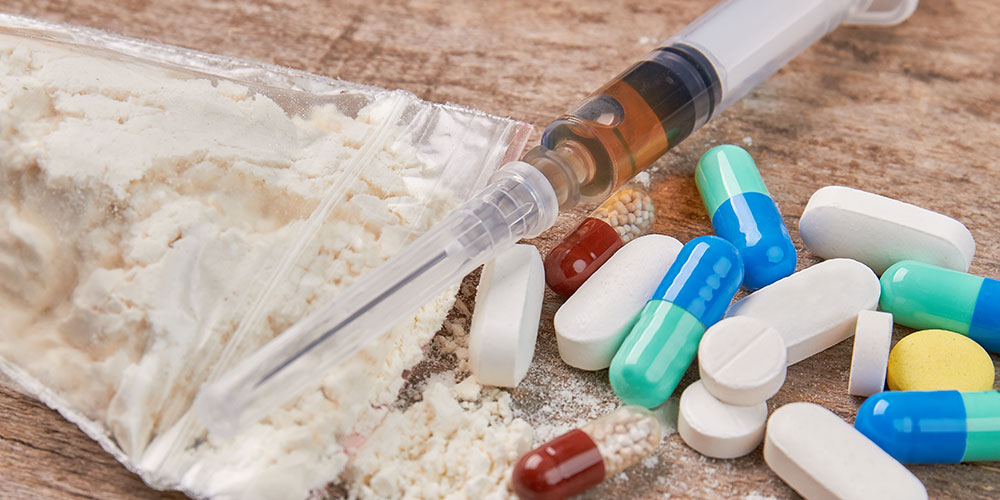


PCP is a powerful hallucinogenic drug with many unknowns in how it will act physically and mentally, and therefore can create long-lasting effects. It was created in the 1950’s to be used as an IV anesthetic; however, it caused a severe impact on patients. It is still used today as a substance of abuse, because of the history of its ability to cause extreme psychological and physical consequences, many people use PCP [1].
If you are concerned about being drug tested or needing this information for medical purposes, it will provide you with information that you will be able to depend upon when making your decision(s) regarding abstaining from PCP. According to Medical News Today, detection should be understood as a matter of many variables at play; understanding these variables helps people better understand how PCP behaves and how long it stays in a person’s system [1].
Can PCP Be Abused?
PCP is the short name for “phencyclidine,” a synthetic dissociative drug that was created in the 1950s as an intravenous anesthetic. It was never approved for medical use due to its severe side effects, including agitation, hallucinations, and psychosis. Therefore, the use of PCP as a recreational drug was first popularised in the late 1960s and early 1970s. After that time, PCP became designated as a Schedule II substance, meaning it has a very high potential for abuse and can lead to severe psychological dependence [2].
Common street names for PCP are angel dust, sherm, wet, and dust.
How PCP Affects the Brain and Body
PCP works on the central nervous system and alters the action of the neurotransmitter glutamate, which is the primary neurotransmitter in perception, learning, and memory. The alteration of glutamate causes someone to feel “disconnected” from their body (dissociative effects). Glutamate’s primary function is in perceptual functions, so by modifying chemical signaling in the brain, PCP decreases an individual’s sense of reality, impairing judgment [3]. PCP does not produce euphoria at lower doses; instead, at higher doses, the person is highly agitated, has extreme paranoid thoughts, and cannot function appropriately.
Does PCP Stay in Your System Forever?
Many people ask, “Does PCP stay in your system forever?” The answer is no, PCP does not stay in your body for an indefinite time period. Once someone uses PCP, it is metabolised within the body by the liver into metabolites, then eliminated primarily through urine. Over time, both the drug and its metabolites are eliminated through urine. However, PCP is fat-soluble, meaning it can be retained in adipose tissue, and being released slowly from these tissues may provide a false sense that PCP has remained in your system longer than expected [4]. In cases of heavy long-term use of PCP, the slow release may lead to extended times of detection and psychological effects; this does not mean PCP has been permanently stored within your body.
Detection Windows: How Long PCP Can Be Found After Use
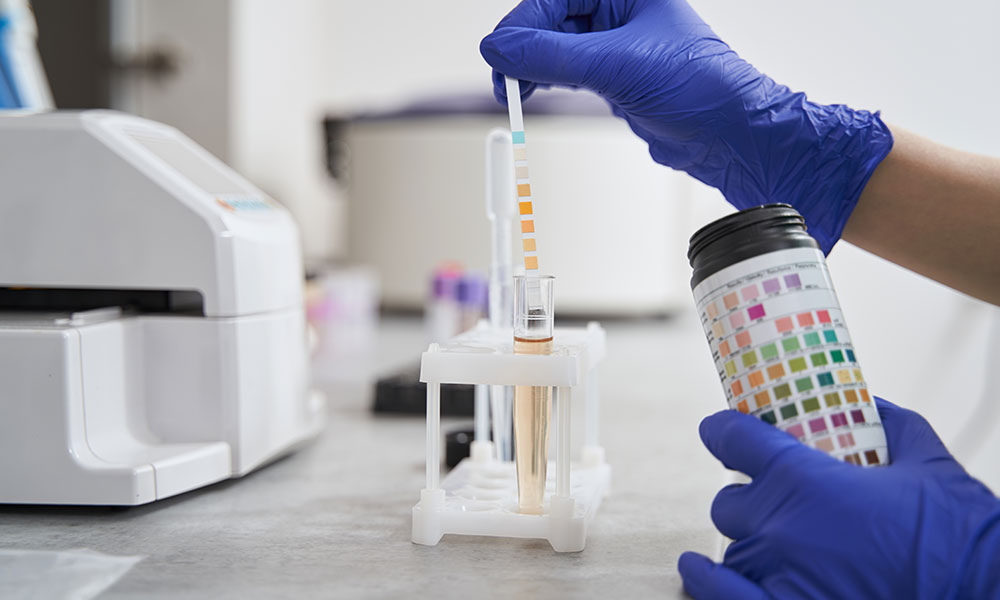
Detection times depend on the type of drug test used, the amount taken, and individual biological factors. Below is an overview of standard testing methods.
Urine testing
Urine tests are the most commonly used method for detecting PCP.
- Typical detection time is approximately 4 to 7 days after single use.
- Heavy or chronic use can extend the timeframe for a positive result to 7 to 14 days or longer [5].
Medical News Today notes that repeated exposure increases the likelihood of extended urine detection due to PCP accumulation in fat tissue.
Blood testing
Blood tests are usually used in clinical or emergency settings.
- PCP is typically detectable in blood for about 1-2 days after use [1].
This method is most helpful in identifying recent intoxication rather than past use.
Saliva testing
Saliva tests are less common but may be used in roadside or workplace testing.
- Detection generally ranges from one to three days after use [6].
Hair follicle testing
Hair testing has the longest detection window.
- PCP can be detected in hair samples for up to 90 days [7].
This method does not show current impairment but may reflect a pattern of repeated use.
Sweat and other specialized tests
Sweat patch testing and other specialized methods may track drug exposure over extended periods, but are less commonly used outside of legal or research settings [6].
Comparative detection window table
| Test type | Approximate detection window |
| Urine | 4 to 14 days |
| Blood | 1 to 2 days |
| Saliva | 1 to 3 days |
| Hair | Up to 90 days |
| Sweat patch | Several days to weeks |
What Is the Half-Life of PCP and Why Does It Matter?
PCP has a variable half-life, usually 7 to 46 hours, with a median of around 21 hours (Medical News Today). A longer half-life means PCP could remain in the body for more than one day, making the effects and detection time of PCP vary [1].
The number of half-lives needed for most drugs to no longer be detected is likely to be more than one. There are, therefore, several reasons why a drug can be detected for more extended periods in different individuals.
Key Factors That Affect How Long PCP Stays in Your System
Biological factors
Differences among individuals (such as metabolic rate, genetic makeup, age, body mass index, and/or liver and kidney function) reduce the efficiency with which PCP is metabolised and eliminated from the body.
Usage patterns
The frequency and amount of PCP use will determine how quickly it is cleared from the body. An individual who only uses PCP occasionally will likely eliminate it more rapidly than a frequent user of PCP at a high dose; thus, the amount of drug that was stored in the body, as well as the duration of time the body can clear it from the system, is greater for those who use PCP frequently or at high doses.
Body fat and solubility
PCP is fat-soluble; therefore, PCP can collect in fat cells [4]. Thus, those with a higher body-fat percentage will likely clear PCP from the body more slowly than those with a lower body-fat percentage.
Hydration and lifestyle
Hydration, diet, and lifestyle choices can enhance an individual’s overall metabolic profile. At the same time, these factors will not expedite the clearance of PCP from the body; they may improve the efficiency of an individual’s overall detoxification process.
Urinary pH and other variables
The level of acidity in urine may affect the rate of PCP clearance from the body; more acidic urine conditions could enhance the rate of elimination, while more alkaline urine could slow the elimination rate [5].
Health and Safety Considerations
PCP continues to pose a significant health risk. In short-term usage, PCP can cause agitation, confusion, poor coordination, palpitations, and hallucinations. Users of PCP can experience “blackouts,” defined as lapses of memory surrounding an event that took place while the person was under the influence of PCP.
Continued or long-term use of PCP increases the likelihood of chronic psychiatric problems, mood disorders, and likely leads to the development of some form of psychosis [3]. Accurately detecting the presence of PCP and the effects that it has on someone in a medical or legal context is very important for medical staff and/or law enforcement agencies, particularly in assessing the mental state of the individual who is being evaluated at the time of assessment.
When to Seek Help
If PCP negatively impacts your life, lifestyle, relationships, or mental health, seeking help from a trained professional could be beneficial. If you are experiencing multiple cravings, have been engaging in risk-taking behaviour, or have been experiencing mood swings or difficulty stopping using PCP, you should seek help from a trained professional.
At Soba New Jersey, we appreciate and understand that many of our clients who seek treatment for drug addiction have previously attempted to receive treatment or have delayed seeking treatment. Soba New Jersey has only eight detox beds, and our treatment programmes are designed to provide individualised services, safety, and support for our clients. Supportive therapy, medical detoxification, and continuing care can aid an individual in becoming stable so that they may begin their recovery process.
Recovery Can Start Today
If you, or someone you care about, feels like they are struggling with PCP or another type of substance use, you should know that you are not alone. You can contact a professional team at Soba New Jersey to explore options and the services needed to support your recovery.
There is a Better Way to Live. It’s Time to Get the Help You Deserve.
Take the first step in getting your life back. Speak with our admissions team today.
Soba NJ’s Editorial Guidelines
Like any policy, an editorial policy sets forth a standard for all content produced by Soba NJ. By measuring all content, educational materials, and curricula against this standard, we can ensure that all resources are prepared to meet or exceed our high standards for accuracy, relevance, and integrity. We’re committed to upholding this standard by adhering to three primary objectives when creating all resources.