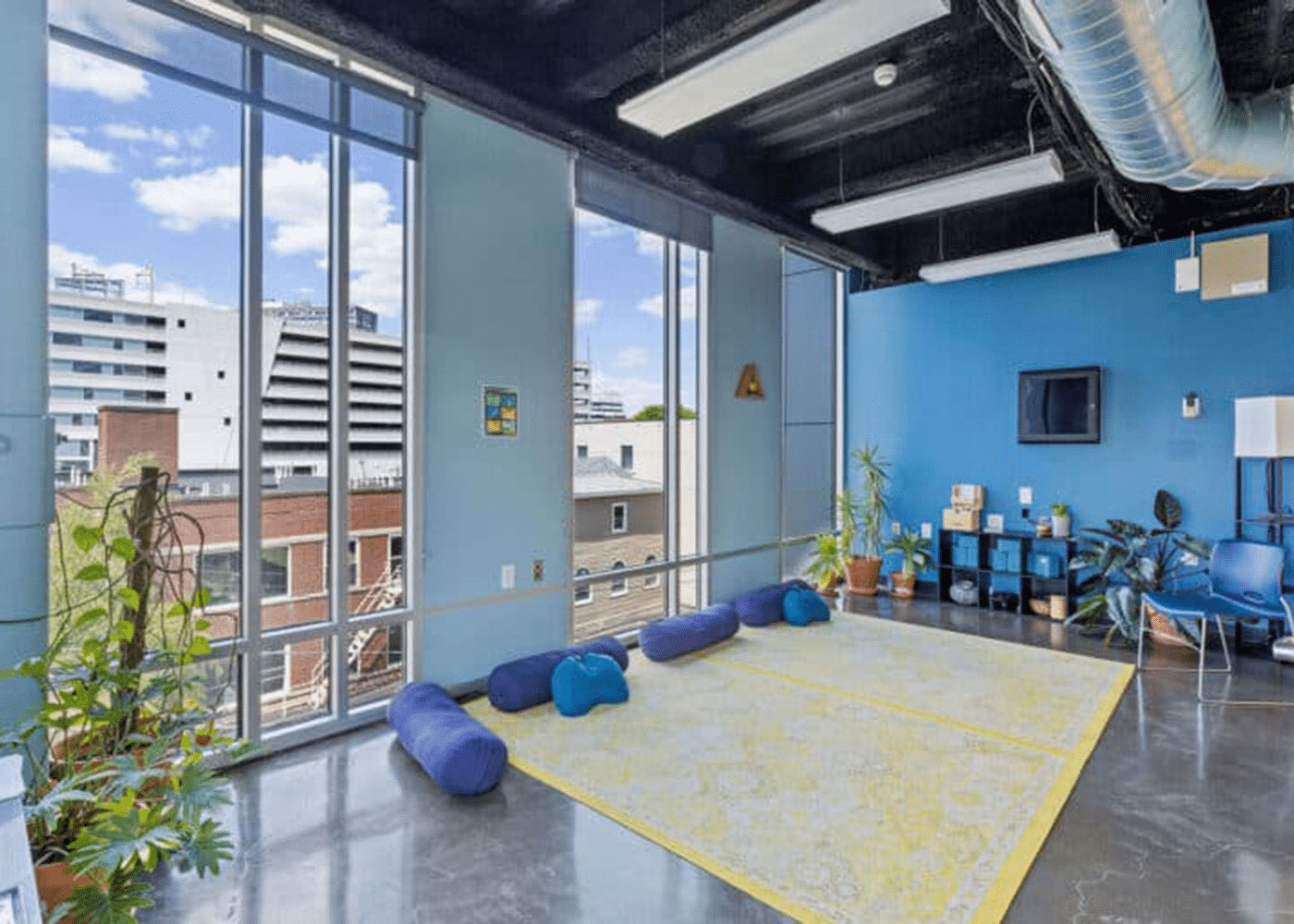
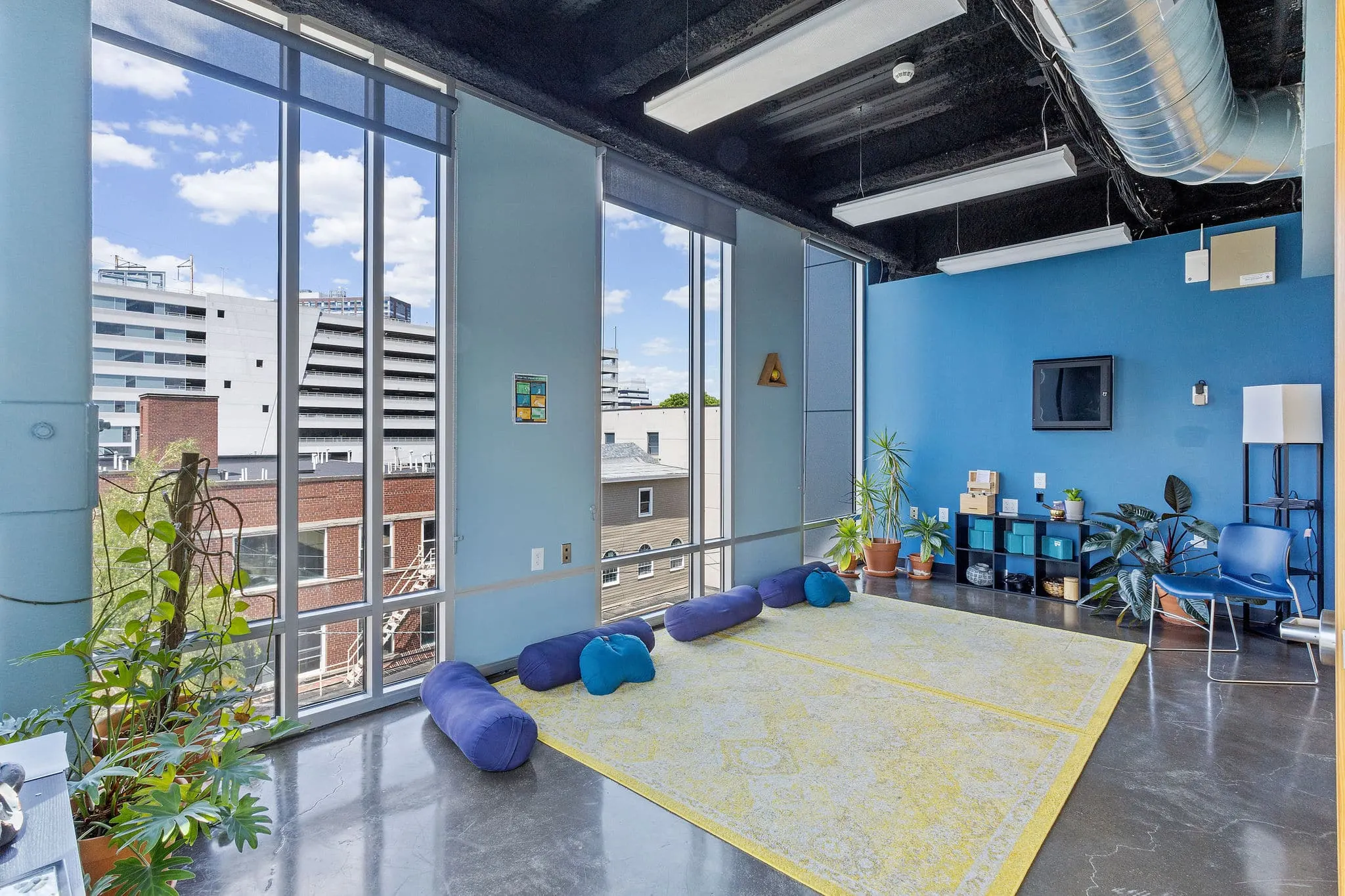
Room with blue walls, large windows, plants, yellow rug, and purple cushions.

Inpatient Residential Treatment in NJ Providing the Structure Recovery Needs

Long-term rehab for people who need structure, support, and focused clinical care after detox or early stabilization.

Long-term rehab for people who need structure, support, and focused clinical care after detox or early stabilization.

Long-term or residential treatment provides clients with a supportive and structured environment to focus solely on their addiction recovery. Many times, long-term treatment comes after the initial phase of medical detox, once withdrawal has passed and they are able to engage in more substantial therapy.

If you’re looking for long-term rehabs in New Jersey, our residential addiction treatment program can offer the necessary time and structure to establish healthy habits, treat any underlying issues with your mental health, and prepare you for the next phases of recovery.

What Is Inpatient Residential Treatment?

Residential addiction treatment is a form of “live-in” addiction treatment that provides a safe, supportive, and structured environment for people needing more support than an outpatient service can provide.[1] While receiving treatment, clients reside in a facility that specializes in providing a comprehensive array of clinical services.

There is a significant difference between residential addiction treatment and medically supervised detox.

Detox addresses the withdrawal aspect of addiction by managing the person through the withdrawal process until they are physically stable enough to participate in other forms of treatment.

Residential treatment is designed to help a person develop the tools needed to overcome their addiction and remain abstinent from substances. Residential addiction treatment can serve as a transition between detox and lower levels of care such as partial hospitalization programs (PHP), intensive outpatient programs (IOP), outpatient therapy, sober living facilities, and aftercare.

Two people at a kitchen table, one with glasses holding a blue laptop, both smiling and talking.
Three people laughing on the street, one in a black hoodie, another in striped jacket, third in pink sweater. Accutane-and-Alcohol

Who Is Residential Treatment For?

Residential addiction treatment may be beneficial for people requiring a higher level of structure, safety, and ongoing therapeutic support. The determination of what level of care is best suited for a person will depend on a thorough clinical evaluation to assess their specific needs.

Residential addiction treatment may be most beneficial for people who are currently experiencing:

  • Continued use of substances despite previous efforts to stop use
  • High risk of relapse in their present environment
  • Co-occurring conditions such as anxiety, depression, post-traumatic stress disorder (PTSD), and bipolar disorder.
  • Addiction related to alcohol, fentanyl, prescription medications, heroin, or other opioids.
  • Limited support system while attempting to maintain sobriety
  • Need for daily therapeutic intervention, case management, and structured recovery support

The American Society of Addiction Medicine (ASAM) Criteria provide an evidence-based method for identifying the optimal level of care for a person with a substance use disorder based on their unique needs, risks, strengths, and resources available to them.[2] A recommendation for residential addiction treatment would be made based on the entire clinical profile of the person, not just the type of substance being used.

What to Expect During Inpatient Rehab

When entering an inpatient rehabilitation center, the admissions process typically begins with a confidential assessment. The treatment team will gather information about the person’s past substance use history, medical needs, mental health symptoms, past treatments, family support systems, and present safety concerns. If a person requires medical detoxification first, we recommend that they receive it before admission into one of our programs.

While residing in a rehabilitation center, residents will follow a structured schedule that will provide access to numerous types of clinical interventions such as:

Individual therapy

Individual therapy to identify triggers, trauma, and emotional responses, and develop a plan for achieving personal recovery goals

Individual therapy

Individual therapy to identify triggers, trauma, and emotional responses, and develop a plan for achieving personal recovery goals

Group therapy

Group therapy to foster feelings of community support and accountability, and enhance communication skills

Group therapy

Group therapy to foster feelings of community support and accountability, and enhance communication skills

Family therapy

Family therapy to improve boundaries and help rebuild relationships with loved ones when possible

Family therapy

Family therapy to improve boundaries and help rebuild relationships with loved ones when possible

Cognitive behavioral therapy (CBT)

Cognitive behavioral therapy (CBT) and dialectical behavioral therapy (DBT) to help in understanding how to better manage negative thought patterns, emotional responses, and behaviors that increase cravings

Cognitive behavioral therapy (CBT)

Cognitive behavioral therapy (CBT) and dialectical behavioral therapy (DBT) to help in understanding how to better manage negative thought patterns, emotional responses, and behaviors that increase cravings

Motivational interviewing

Motivational interviewing to enhance motivation and readiness for positive change

Motivational interviewing

Motivational interviewing to enhance motivation and readiness for positive change

Medication-assisted treatment (MAT)

Medication-assisted treatment (MAT) when clinically indicated

Medication-assisted treatment (MAT)

Medication-assisted treatment (MAT) when clinically indicated

Case management

Case management and aftercare planning to support movement toward continued recovery in later stages

Case management

Case management and aftercare planning to support movement toward continued recovery in later stages

Individual therapy

Individual therapy to identify triggers, trauma, and emotional responses, and develop a plan for achieving personal recovery goals

Individual therapy

Individual therapy to identify triggers, trauma, and emotional responses, and develop a plan for achieving personal recovery goals

Group therapy

Group therapy to foster feelings of community support and accountability, and enhance communication skills

Group therapy

Group therapy to foster feelings of community support and accountability, and enhance communication skills

Family therapy

Family therapy to improve boundaries and help rebuild relationships with loved ones when possible

Family therapy

Family therapy to improve boundaries and help rebuild relationships with loved ones when possible

Cognitive behavioral therapy (CBT)

Cognitive behavioral therapy (CBT) and dialectical behavioral therapy (DBT) to help in understanding how to better manage negative thought patterns, emotional responses, and behaviors that increase cravings

Cognitive behavioral therapy (CBT)

Cognitive behavioral therapy (CBT) and dialectical behavioral therapy (DBT) to help in understanding how to better manage negative thought patterns, emotional responses, and behaviors that increase cravings

Motivational interviewing

Motivational interviewing to enhance motivation and readiness for positive change

Motivational interviewing

Motivational interviewing to enhance motivation and readiness for positive change

Medication-assisted treatment (MAT)

Medication-assisted treatment (MAT) when clinically indicated

Medication-assisted treatment (MAT)

Medication-assisted treatment (MAT) when clinically indicated

Case management

Case management and aftercare planning to support movement toward continued recovery in later stages

Case management

Case management and aftercare planning to support movement toward continued recovery in later stages

Individual therapy

Individual therapy to identify triggers, trauma, and emotional responses, and develop a plan for achieving personal recovery goals

Individual therapy

Individual therapy to identify triggers, trauma, and emotional responses, and develop a plan for achieving personal recovery goals

Group therapy

Group therapy to foster feelings of community support and accountability, and enhance communication skills

Group therapy

Group therapy to foster feelings of community support and accountability, and enhance communication skills

Family therapy

Family therapy to improve boundaries and help rebuild relationships with loved ones when possible

Family therapy

Family therapy to improve boundaries and help rebuild relationships with loved ones when possible

Cognitive behavioral therapy (CBT)

Cognitive behavioral therapy (CBT) and dialectical behavioral therapy (DBT) to help in understanding how to better manage negative thought patterns, emotional responses, and behaviors that increase cravings

Cognitive behavioral therapy (CBT)

Cognitive behavioral therapy (CBT) and dialectical behavioral therapy (DBT) to help in understanding how to better manage negative thought patterns, emotional responses, and behaviors that increase cravings

Motivational interviewing

Motivational interviewing to enhance motivation and readiness for positive change

Motivational interviewing

Motivational interviewing to enhance motivation and readiness for positive change

Medication-assisted treatment (MAT)

Medication-assisted treatment (MAT) when clinically indicated

Medication-assisted treatment (MAT)

Medication-assisted treatment (MAT) when clinically indicated

Case management

Case management and aftercare planning to support movement toward continued recovery in later stages

Case management

Case management and aftercare planning to support movement toward continued recovery in later stages

Residential Treatment and Dual Diagnosis Care

It is common for people entering addiction treatment to have dual diagnosis or co-occurring disorders, including anxiety, depression, post-traumatic stress disorder (PTSD), bipolar symptoms, grief, and chronic stress, which can affect substance use and increase relapse risk.

Treatment for people with a dual diagnosis focuses on addressing the substance use issue along with their mental health concerns. The Substance Abuse and Mental Health Services Administration (SAMHSA) has stated that people who experience co-occurring disorders of substance use and mental illness benefit from being screened, assessed, diagnosed, and receiving an integrated treatment plan addressing both issues.[3]

At SOBA New Jersey, our goal of providing residential treatment is to help each client understand how their mental health symptoms and substance use affect one another. Through therapy, we work with clients to develop emotional regulation and coping skills, address traumatic responses, improve interpersonal relationships, and identify effective relapse prevention techniques. By treating these two areas of concern simultaneously, we enable our clients to establish a more stable base on which they can develop a lasting recovery.

Daily Reading
Person sitting on couch wearing a cream sweater and jeans, looking thoughtful. Person sitting in beige outfit, appearing thoughtful, holding hands to mouth in a modern room.

Why Long-Term Rehab Can Support Recovery

Recovery takes time.

While some clients may feel prepared to leave rehab quickly, many require additional time at a higher level of care due to the increased support, structured environment, and repeated exposure to tools necessary before successfully reintegrating into daily life.

Longer stays in a rehabilitation setting provide the opportunity for our clients to continue practicing new skills in a supportive environment. Rather than discharging early from a rehab program following detox or a brief period of stabilization, clients can stay in the program to continue working on the emotional and behavioral patterns contributing to their substance use.

Recovery outcomes are linked to adequate treatment length, and it is important for providers to continually assess and modify treatment plans based on the changing needs of the person.[4] In a residential setting, clients can begin developing healthy routines before transitioning to a less restrictive form of care.

Examples of this development include learning how to effectively manage cravings, improving communication with family members, responding to triggers appropriately, using healthy coping mechanisms, participating in peer-based support systems such as Alcoholics Anonymous (AA) or other recovery groups, and preparing for independence.

Explore Our New Jersey Detox Facility

Designed for Your Comfort

Seeking Safety Therapy Sessions in New Jersey
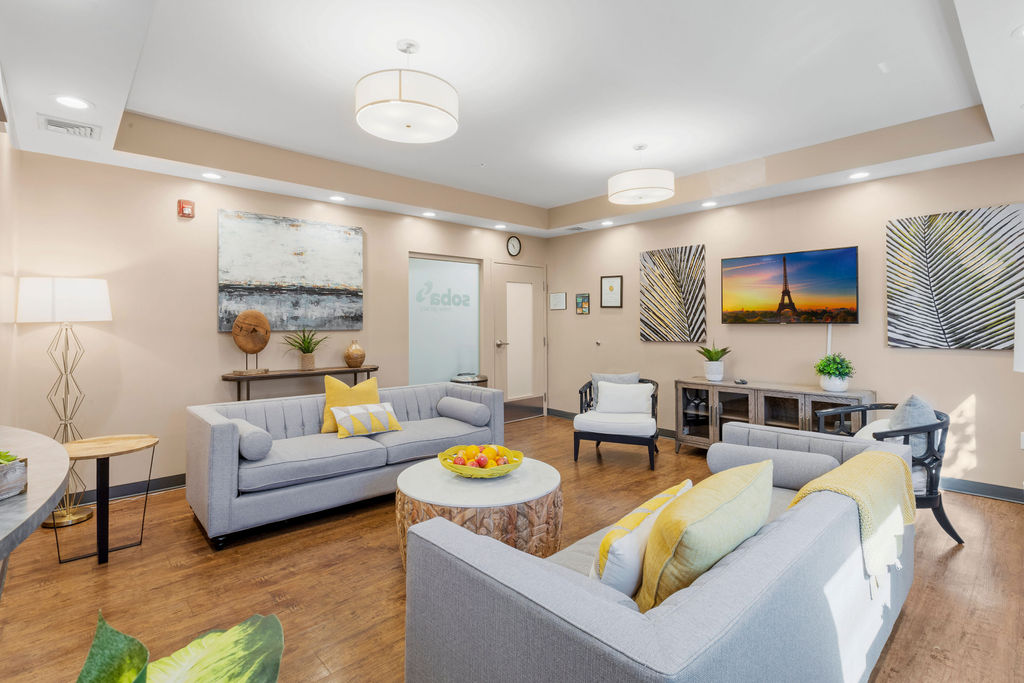
Lobby with gray couches, yellow pillows, abstract art, Eiffel Tower photo, and wooden floor in New Jersey detox center
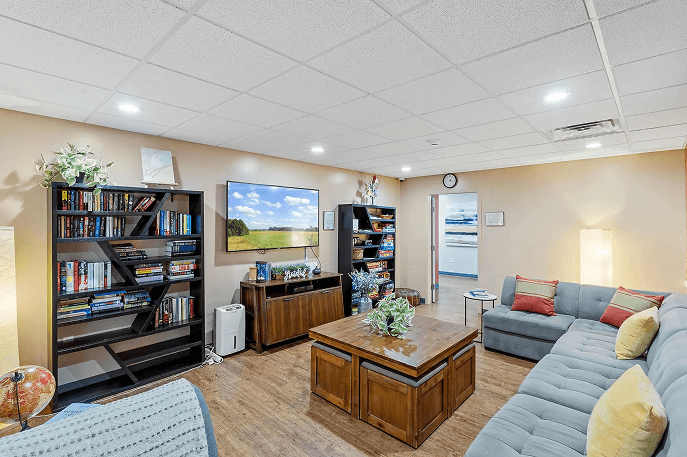
Modern room with large windows, plants, yoga mats, blue walls, and outdoor city view from New Jersey detox center
Seeking Safety Therapy Sessions in New Jersey
Lobby with gray couches, yellow pillows, abstract art, Eiffel Tower photo, and wooden floor in New Jersey detox center
Modern room with large windows, plants, yoga mats, blue walls, and outdoor city view from New Jersey detox center
Seeking Safety Therapy Sessions in New Jersey
Lobby with gray couches, yellow pillows, abstract art, Eiffel Tower photo, and wooden floor in New Jersey detox center
Modern room with large windows, plants, yoga mats, blue walls, and outdoor city view from New Jersey detox center

Get a Confidential Callback Now

To learn more about our New Jersey drug and alcohol treatment, contact us online or dial (888) 229-7989. We are available 24/7 to assist you. If you would like an immediate callback, fill out the form here.
Real Stories. Real Recovery.

Hear From Our Recovering Clients

quote

Absolutely the best place to build a solid foundation for my recovery.

Amazing & friendly community. Can’t say enough about the staff, EVERY tech, clinician & nursing are energetic, helpful, generous & welcoming. GROUPS are very educational. Delicious food made by talented chefs. If you’re struggling there is no better place to recover.

StarStarStarStarStar
Tracy Ferrara
quote

The staff was amazingly supportive & encouraging

SOBA provided me with the perfect platform to get Sober & build a support network to remain Sober… the Staff at Duke St. Detox was amazingly supportive & encouraging, especially Adrien, Carlos, and Celeste… transition to Morrell St. Sober living was seamless & comfortable… where Staff at Bayard IOP lacked empathy, the Housing staff at Morrell St. made up for it & took time to genuinely invest in my situation & help me move forward. Bob, Michelle, David, Danielle, and Jackie always made time for me. Having been in treatment before I have a true perspective on how great SOBA is.

StarStarStarStarStar
- John M.
quote

SOBA is the reason I am alive today

SOBA is the reason I am alive today and helped me to change my life for the better and gave me the skills and resources I need to continue along in my recovery journey. I am so grateful to have found this program and been given a second chance at this wonderful sober life I am living today with a big help from the staff at SOBA, I couldn’t have done this without them! Amazing program!!!!

StarStarStarStarStar
- Danielle M.
quote

I went to SOBA’s residential and sober living program and it really helped me on my journey with recovery.

The facility was great and so were the people. Mike C in particular was so great, he was kind, compassionate and welcoming and he also kept it real with me which was exactly what I needed. Couldn’t recommend SOBA enough.

StarStarStarStarStar
Kayleigh Wharton
quote

This treatment facility is like no other, its extremely clean, very well organized, and the program they run attends to the clients needs.

At SOBA, its personal, and you are looked at as individuals rather than just a number. All the staff are amazing at what they do and take the extra time to make you feel at home. The techs that work here are top tier, and were the reason why I felt so at ease and hopeful for my future. Thank you!

StarStarStarStarStar
John Marone
quote

SOBA saved my life and brought the best out of me

The entire staff is amazing and they were all truly there for me at all times. They put you first and I am beyond grateful for the help and support I received. Thank you all for helping me rediscover myself. I couldn’t have done this without SOBA. Big Shoutout to Mike C for going out of his way to make the unthinkable happen for us all and putting us first.

StarStarStarStarStar
Michael Lamboy
quote

This program saved my life.

I would like to take this time to say how much I appreciate everything that this program is and has done for me. I was given another chance at having a sober life and being able to find happiness. This program saved my life. I have been to other treatment programs but none of them could even begin to compare to SOBA College Recovery, where all the other programs failed SOBA succeeded. Clinical and Housing staff alike go above and beyond for the clients. With support from the staff and other clients and a lot of honest hard work, I’ve exceeded even my own expectations. This was the opportunity of a lifetime and I will forever remain humble and grateful for everything this program has given me. Thank You SOBA and SOBA staff!

StarStarStarStarStar
Joe L.
quote

The staff and food were standouts!

Special thanks to everyone there especially Mike, Scott, Sid, James, Deal, Passion, Roshida, Jess, Augie, Andre, Nelson, Amy to name a few. Hopefully will never have to go back but if I do I would choose SOBA!

StarStarStarStarStar
Tom Pohmer
quote

SOBA is a great place.

SOBA is a great place. I went here, everyone is very welcoming and friendly willingly ready to help all. We built a family being in the program and also I felt very safe and comfortable. The techs and clinical are very understanding, they definitely put in a team effort to keep everyone in the right steps to be in recovery along with future recovery! I am very grateful for being able to come here and get the best help. I recommend coming here, hands down the best substance abuse program in Central Jersey.

StarStarStarStarStar
- Jade B.
quote

The support you get from the facility is wonderful.

SOBA was great. From the first day I arrived, the concern and care for my recovery were most important. As I progressed through the program I gained essential tools I needed to deal with my addiction head-on. The support you get from the facility is wonderful. There are so many good things to say about this place. From the people to the food to the facility itself. Every aspect of SOBA I found great. If you are willing to undergo this treatment program, you will leave with everything you need to remain sober. I recommend this place to anyone ready for treatment from addiction. If you are ready and willing please make the call.

StarStarStarStarStar
- Chris R.
quote

SOBA rehab is a dedicated facility that helps you with addiction.

It’s program gave me the tools to help me in my recovery. The staff was amazing,and supportive. I was able to continue my treatment past detox on their campus next door. Housing was comfortable and once again the staff helped me transition in my program. They continue to help me in my process in recovery and I couldn’t be more thankful.

StarStarStarStarStar
Alexis Habiger
quote

Words cannot even describe what SOBA has done for me.

Words cannot even describe what SOBA has done for me. My life has made a 360 degree turn around for the best life I’ve ever experienced. I credit all the staff there, but especially Michelle C from the housing. She is simply amazing she was and is an intricate part of my current success, Michelle truly understands that some of us have really gone through hell, and she uses that knowledge to raise awareness in everyone with whom she comes in contact with. Realistically speaking I did not want to leave there. It was a conflicted day happy and sad at the same time before I got in the Uber Michelle C stopped me and said “let’s pray.” I am forever grateful to her and all of the SOBA staff and patients…

StarStarStarStarStar
Gary P.
quote

Words cannot even describe what SOBA has done for me.

“My life has made a 360 degree turn around for the best life I’ve ever experienced. I credit all the staff there. I am forever grateful to all of the SOBA staff and patients.”

StarStarStarStarStar
Gary P.
quote

They SAVED MY LIFE. They can save yours.

“I came to them totally broken. The staff there helped me get my mental health straightened out, all while getting me off any and all drugs for the 1st time in 24 years. I’m able to say that I now have 152 days clean and sober.”

StarStarStarStarStar
Jade B.
quote

I’m forever grateful to you all.

“Entering recovery was one of the hardest decisions I have ever made. It was also one of the smartest, and one I wish that I had made 20 years ago. Last week I reached my 10-month clean date. I’d like to express my gratitude to the staff members who helped me along the way.”

StarStarStarStarStar
Amanda S.
quote

I have so much to be grateful for because of SOBA.

I have so much to be grateful for because of SOBA. I have been to other treatment centers and was never successful in maintaining sobriety. The clinical and housing staff were beyond helpful and were always accommodating. I was failing out of school and going down a dark path, but with all the help from Josh, Leigh, Bob, Michelle, Jackie, and David, I am doing well. I did the full program, was in the Sober Living program for around 6 months, and currently reside in their Independent Sober Living. I have earned a 4.0 GPA at my college while here, have made huge strides in my 12-step program, and have made friends for life here. Thank you so much to SOBA for helping me get my life back on track. I look forward to my future!

StarStarStarStarStar
Meghan P.
quote

Because of them, I’m clear-minded & I have the most important thing back in my life, my family.

Rehabs are a dime a dozen. But if you want top-quality care then SOBA is the place to be. The staff from top to bottom are caring, understanding & well-educated on addiction. The moment you walk through the door, your care & needs are their #1 priority. You want your life back then put your trust in SOBA. Because of them, I’m clear-minded & I have the most important thing back in my life, my family. Thank you to all @ SOBA for helping me get my life & family back & making me part of SOBA’S FAMILY. MUCH LOVE, SCOTT K.

StarStarStarStarStar
Scott K.

We Work Hard To Demonstrate The Soba Difference

Don’t See Your Insurance? Call Us to Hear the Full List of Insurances (888) 229-7989

Anthem logo
Aetna logo in purple lowercase letters.
BlueCross BlueShield logo
Beacon health options logo with blue and gray text, circular blue design.
AmeriHealth logo with blue text and red stripes above.
CareFirst logo
Horizon Blue Cross Blue Shield logo, blue text and symbols on white background.
umr logo
Cigna logo with blue text and green tree with orange circle.

What Happens After Residential Treatment?

Residential treatment serves as one component of a multi-level continuum of care.

Once a client feels prepared to transition out of a high-intensity rehab program, the treatment team may recommend several types of care, including partial hospitalization, intensive outpatient treatment, outpatient treatment, sober living environments, medication management, continuing education through therapy sessions, participation in peer-based support systems, or aftercare programs.

Transitional planning is often referred to as stepping down. It doesn’t mean treatment is done, but that a person has progressed enough to require fewer resources while staying connected to clinical and community support.

A well-developed aftercare plan would include various components to help prevent relapse, continue therapeutic interventions through regular appointment schedules, prescribe medication-assisted treatment when medically necessary, locate sober living opportunities, arrange for family involvement and support, assign case managers where needed, develop alumni programming, and continue attendance at peer-based recovery meetings. Each of these support elements provides our graduates with an array of options to use as they transition from inpatient rehabilitation back into day-to-day life with greater accountability and confidence.

Some of our clients require medical detox before they can truly participate in therapy

Get the Structure You Need in New Jersey

Inpatient residential treatment is a great option for those who require a level of structure they just can’t get from standard outpatient services.

If this describes your situation, SOBA New Jersey can help. We offer our residential clients a structured program of addiction treatment, dual diagnosis care, and continued treatment planning to help them transition toward long-term recovery.

Reach out today, and our admissions team can help you take the next step.

Frequently Asked Questions About Inpatient Residential Treatment in NJ

01

Is inpatient residential treatment the same as inpatient rehab?

Yes. Inpatient rehab is another term for inpatient residential treatment. In this type of environment, clients reside in the treatment center where they receive therapy, relapse prevention support, case management, and recovery planning.

02

Do I need medical detox before residential treatment?

Medical detoxification is sometimes necessary before inpatient residential treatment. If a person is experiencing severe withdrawal symptoms from their substance use, it would be beneficial for them to undergo detox before entering an inpatient program. The best way to assess whether medical detox is required is to conduct a thorough clinical evaluation.

03

How long does long-term residential rehab last?

The amount of time spent in residential treatment will depend on the person’s unique needs, their progress, symptoms, and what their discharge plan entails. For example, some people may benefit from being discharged after a short period of time and begin attending PHP, IOP, sober living, or outpatient care, while others may require longer periods of residential treatment before beginning the transition process.

04

What therapies are used in residential treatment?

While specific therapeutic approaches vary by treatment provider, many programs use various forms of therapy including individual therapy, group therapy, family therapy, cognitive behavioral therapy, dialectical behavior therapy, motivational interviewing, relapse prevention training, trauma-informed care, and medication-assisted treatment when indicated.

05

Can residential treatment help with dual diagnosis?

Yes. Residential treatment can address multiple diagnoses simultaneously. There are many forms of dual diagnosis care available, each addressing substance use and co-occurring mental illness, and most programs treat addiction and mental illness concurrently rather than independently in the treatment plan.

06

What happens after inpatient rehab?

After inpatient rehab, clients may step down into partial hospitalization, intensive outpatient treatment, outpatient therapy, sober living, aftercare, or alumni programming. Continued care helps clients practice recovery skills with more independence.

Sources

[1] National Institute on Drug Abuse. (2026). Treatment. https://nida.nih.gov/research-topics/treatment 

[2] American Society of Addiction Medicine. (n.d.). The ASAM Criteria. https://www.asam.org/asam-criteria

[3] Substance Abuse and Mental Health Services Administration. (2020). Substance use disorder treatment for people with co-occurring disorders. https://library.samhsa.gov/sites/default/files/pep20-06-04-006.pdf

[4] Condelli, W. S., & Hubbard, R. L. (1994). Relationship between treatment length and outcome in a therapeutic community. International Journal of the Addictions, 29(1), 115–128. https://doi.org/10.3109/10826089409047372