
 (888) 229-7989
  Client Portal
 Understanding the Yellow “230” Round Pill: Identification, Risks, and Use


A Caring Note About Pill Identification
Finding an unfamiliar pill in your home, pocket, or medicine cabinet can be concerning. Perhaps you discovered it in a loved one’s belongings, or maybe you’re trying to identify a medication you’ve been taking. Whatever brings you here, we want you to know that seeking information is an important and responsible step.
What Is the Yellow Round Pill Marked “230”?
Description and Imprint
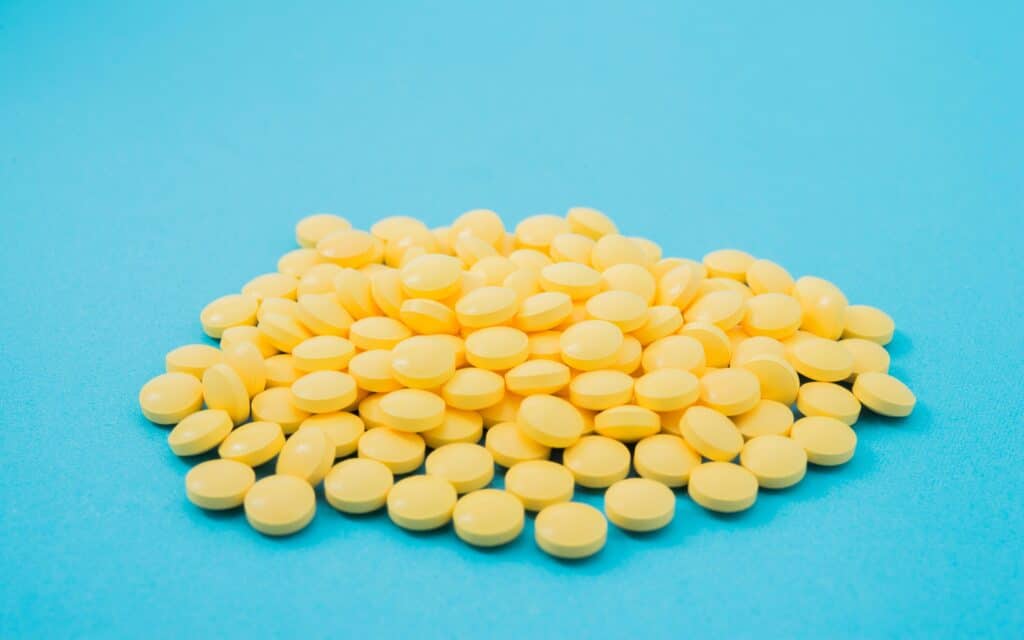
The yellow round pill marked “230” is typically a round, yellow tablet approximately 10 millimeters in diameter. Most commonly, you’ll find it imprinted with “C 230” or simply “230” on one side, often with a logo or score mark on the reverse side. This particular imprint identifies the pill as containing acetaminophen 325 mg combined with oxycodone 10 mg [1], manufactured by Alvogen. This generic formulation is therapeutically equivalent to Percocet 10/325, a well-known brand-name pain medication.
It’s crucial to understand that pill identification based solely on appearance can be misleading. Several different medications share the number “230” as part of their imprint, including propafenone (an antiarrhythmic medication), ethinyl estradiol (an oral contraceptive), and oxymorphone (another potent opioid). This overlap makes it essential to verify any pill’s identity using a reliable pill identifier or by consulting with a licensed pharmacist.
Legitimate Medical Uses
When properly prescribed and used under medical supervision, the combination of oxycodone and acetaminophen serves an important role in pain management. Oxycodone is a powerful opioid analgesic that works by binding to specific receptors in the brain and spinal cord to block pain signals. Acetaminophen enhances the pain-relieving effects of oxycodone while also reducing fever.
Healthcare providers prescribe this medication to treat moderate-to-severe pain when other pain management approaches haven’t provided adequate relief. Common scenarios include recovery following major surgery, management of severe injuries like fractures, acute pain following dental procedures, and carefully monitored chronic pain conditions when less potent medications have proven insufficient.
How the Pill Works and How Long It Lasts
Oxycodone works by attaching to opioid receptors located throughout the central nervous system. When oxycodone binds to these receptors, it interrupts the transmission of pain signals to the brain and triggers the release of dopamine, a neurotransmitter associated with pleasure and reward. This dual action explains both why the medication effectively relieves pain and why it carries such significant addiction potential.
This immediate-release formulation begins working relatively quickly. Most people feel the onset of pain relief within 20 to 30 minutes of taking the pill. The medication reaches its peak concentration—and typically its maximum pain-relieving effect—approximately one hour after ingestion. Pain relief generally lasts between four and six hours, though this duration varies based on individual factors like metabolism, body weight, and tolerance level.
An important safety concern involves how the medication is consumed. The pill is designed to be swallowed whole, which allows for controlled, gradual absorption. When people misuse the medication by crushing, chewing, or dissolving it for snorting or injection, they dramatically accelerate absorption and delivery of the full dose at once. This method of misuse creates an intense euphoria but also dramatically increases the risk of overdose [2], respiratory depression, and death.

Potential Side Effects and Risks
Common Side Effects
Even when taken exactly as prescribed, many people experience side effects from opioid medications. The most frequently reported include drowsiness and sedation that can interfere with daily activities, dizziness or lightheadedness, nausea and occasional vomiting, constipation (which can be severe and persistent), itchiness or skin irritation, and headaches [3].
Some individuals also report feeling mild euphoria or emotional blunting—a sense of detachment or decreased emotional responsiveness. These effects are particularly common when starting therapy or increasing the dosage.
Serious Side Effects and Complications
More concerning are the serious adverse effects that can occur with opioid use. Respiratory depression—slowed or shallow breathing—represents the most dangerous risk [2]. In severe cases, breathing may slow to the point of respiratory arrest, where breathing stops entirely. This is the primary mechanism by which opioid overdoses cause death.
Other serious complications include dangerously low blood pressure, abnormally slow heartbeat, severe liver damage from the acetaminophen component (particularly when combined with alcohol), allergic reactions, and serotonin syndrome when combined with certain antidepressants [3].
Perhaps most dangerous is the practice of combining opioids with other central nervous system depressants. When the yellow 230 pill is taken with benzodiazepines, alcohol, or certain sleep medications, the risk of fatal overdose increases dramatically.
Addiction, Dependence, and Overdose
Why the “230” Pill Is Addictive
Oxycodone is classified as a Schedule II controlled substance by the Drug Enforcement Administration—a designation reserved for drugs with legitimate medical uses but high potential for severe psychological or physical dependence. Each time oxycodone triggers dopamine release in the brain’s reward center, it reinforces the behavior of taking the drug. Over time, the brain adapts by reducing its natural production of dopamine and decreasing the sensitivity of opioid receptors, a process called tolerance.
Warning signs that use has become addiction include experiencing intense cravings for the medication, losing control over how much you take or how often, using more than prescribed, spending significant time obtaining or using the medication, neglecting responsibilities, continuing use despite negative consequences, and experiencing withdrawal symptoms when you try to stop.
Recognizing and Responding to Overdose
Opioid overdose is a medical emergency [4] that requires immediate intervention. Symptoms include severely slowed or shallow breathing, pinpoint pupils, bluish discoloration of the lips or fingertips, extreme drowsiness or inability to wake up, cold clammy skin, choking sounds, loss of consciousness, and slowed heartbeat.
If you suspect someone is experiencing an opioid overdose, call 911 immediately. If naloxone (Narcan) is available, administer it according to package directions. Naloxone rapidly reverses an overdose by blocking opioid receptors. Position the person on their side to prevent choking and stay with them until help arrives.
A particularly frightening aspect of today’s drug supply is the prevalence of counterfeit pills. Pills that look identical to legitimate 230 tablets may contain fentanyl, which has a much higher risk of fatal overdose.
Withdrawal and Quitting
Physical dependence can develop after even short-term use of opioids. Withdrawal symptoms typically begin within 6 to 12 hours after the last dose and may include severe anxiety, profuse sweating, muscle aches, nausea and vomiting, rapid heartbeat, insomnia, dilated pupils, and intense cravings [5].
Medical professionals strongly advise against attempting to quit opioids “cold turkey” without support. Medically supervised detoxification, in which medical professionals manage and minimize the discomfort and complications of physical withdrawal, provides a safer, more comfortable path with medication-assisted treatment options like buprenorphine or methadone to reduce cravings and ease withdrawal symptoms.
Safe Use and Disposal
Prescribed Use and Precautions
If a doctor has prescribed this medication for you, take it exactly as directed—never increase your dose without consulting your physician. Never share your medication with others, even if they’re experiencing similar pain. Certain individuals should not take this medication, including those with significant respiratory problems, severe asthma, or gastrointestinal obstruction.
Pregnant women face particular concerns, as opioid use during pregnancy can cause neonatal opioid withdrawal syndrome. Opioids also pass into breast milk and can cause respiratory depression in nursing infants. Everyone taking this medication should avoid driving or operating heavy machinery due to sedation and impaired judgment.
Proper Storage and Disposal
Store the medication in its original container in a locked cabinet or lockbox. When you’ve finished your prescription or the medication has expired, the safest disposal method [6] is using a DEA-authorized drug take-back program. Many pharmacies and law enforcement agencies maintain permanent drop-off sites.
If you cannot access a take-back program, the FDA recommends mixing the pills with an unpalatable substance like used coffee grounds, placing this mixture in a sealed plastic bag, removing personal information from the prescription label, and disposing of it in household trash.
Pill Identification Tools and the “pill230” Keyword
Online pill identifiers allow you to enter physical characteristics, including shape, color, and imprint. Popular tools include those offered by Drugs.com, WebMD, and the National Library of Medicine’s Pillbox. However, several important limitations exist—counterfeit pills deliberately mimic legitimate medications, and imprints can wear down over time.
Many people search using shortened terms like “pill230” when trying to identify tablets marked with 230, but this simplified keyword may not provide the specificity needed for accurate identification. For these reasons, your safest course is consulting a licensed pharmacist or healthcare provider. Never take a pill based solely on appearance or online identification.
Getting Help: When and How to Reach Out
Consider reaching out if you’re taking the 230 pill without a prescription, using it illicitly, experiencing cravings or feeling unable to stop using, noticing that your use is affecting your relationships or responsibilities, or if you’ve tried to quit but haven’t been able to manage withdrawal symptoms.
Contacting Soba New Jersey is confidential and pressure-free. When you call, a compassionate admissions counselor will listen to your situation without judgment, answer your questions about treatment, verify your insurance benefits, and help you determine the appropriate level of care.
We’re available 24 hours a day, 7 days a week, because we understand that concerns about substance use don’t follow business hours. Taking that first step to reach out requires courage, but you don’t have to face this alone.
Conclusion
Understanding what the yellow 230 round pill contains, recognizing its risks, and knowing how to use and dispose of it safely are essential for protecting yourself and those you love. This yellow tablet can provide legitimate relief for people suffering from moderate to severe pain when used appropriately under medical supervision. However, its powerful opioid component also makes it highly addictive and potentially deadly when misused.
Soba NJ’s Editorial Guidelines
Like any policy, an editorial policy sets forth a standard for all content produced by Soba NJ. By measuring all content, educational materials, and curricula against this standard, we can ensure that all resources are prepared to meet or exceed our high standards for accuracy, relevance, and integrity. We’re committed to upholding this standard by adhering to three primary objectives when creating all resources.