
 (888) 229-7989
  Client Portal
How Long Does Dilaudid Stay in Your System? Complete Detection Times, Effects Duration & What Influences It


Key Points
- The duration Dilaudid remains in your system is covered in this article, which outlines how long it is detectable in various environments, including drug testing.
- You will learn how IV Dilaudid differs from oral forms in onset and duration.
- The following information includes how Dilaudid can be detected in urine, blood, saliva, and hair.
- Factors like dosage, metabolism, and kidney health are discussed in clear terms.
- Tips for those facing issues with dependency, withdrawals, and/or testing.
Dilaudid, or hydromorphone, is one of many opioid medications approved by the FDA to treat moderate to severe pain [1]. Dilaudid is generally used as a short-term medication for surgical procedures, injuries, or serious illness. A Dilaudid user will typically experience an intense euphoria or relaxation, followed by an inability to feel pain when taking Dilaudid. Depending on how Dilaudid is used, these intense feelings of pain relief and sedation can lead to addiction. An individual who has used Dilaudid for a time will likely have developed dependence or addiction to it.
Therefore, a common question individuals have about Dilaudid is: “How long does Dilaudid stay in your system?” Individuals often inquire about this issue when preparing for drug testing, worrying about the side effects of Dilaudid, or when concerned about abusing Dilaudid. In addition, individuals may want to learn how long it takes for Dilaudid to be entirely out of their system, or whether IV Dilaudid stays in the system longer than oral forms of administration.
At Soba NJ, we understand that these questions are not just medical in nature. They are often deeply personal. Whether you are taking Dilaudid as prescribed or are worried about its impact on your life, learning how this drug moves through the body can help you make informed and safer decisions.
What Is Dilaudid (Hydromorphone)?
Hydromorphone (brand name Dilaudid) is a prescription opioid medication used to relieve moderate to severe pain. It is classified as a Schedule II controlled substance due to a high potential for abuse and dependence [2]. Hydromorphone is used to bind to opioid receptors in the central nervous system (CNS) and provide pain relief by decreasing the perception of pain and enhancing the feelings of euphoria or relaxation.
Hydromorphone is available in several forms, including:
- Immediate-release oral tablets
- Liquid oral solutions
- Extended release formulations
- Injectable forms, including intravenous (IV) use
Because Dilaudid is a Schedule II controlled substance, it has a high potential for abuse and dependence, even when taken as prescribed. Over time, some people may find it difficult to stop using it on their own without support. If concerns about misuse or Dilaudid addiction arise, professional treatment from a healthcare provider can provide structure, safety, and compassionate care.
Get a Confidential Callback Now
To learn more about our treatment center, contact us online or dial (888) 229-7989. We are available 24/7 to assist you. If you would like an immediate callback, fill out the form below.
How Dilaudid Works in the Body
Hydromorphone is present in the body’s system once it enters, and its absorption and distribution occur through the bloodstream to other parts of the body, such as the brain and spinal cord. The rate at which hydromorphone is absorbed and distributed to the brain or spinal cord depends on how the medication was administered to the patient.
If hydromorphone is given intravenously (IV), the onset of action occurs nearly immediately (1-2 minutes). In contrast, if hydromorphone is given orally, the action does not happen until it is absorbed through the digestive system and reaches the CNS.
According to pharmacological references, the half-life of immediate-release hydromorphone is typically about two to three hours [3]. Half-life means the time required for the concentration of the active substance in the body to decrease by half. After several half-lives, most of the drug is eliminated.
While half-life helps explain elimination, it does not always reflect how long someone feels the effects or how long the drug can be detected.
How Long the Effects Last
A common question regarding Dilaudid is how long after taking Dilaudid will the user be free from pain and/or the effects of sedation or impairment. For immediate-release Dilaudid formulations, users can expect pain relief for 4 to 6 hours after taking the medication [1]. According to pharmaceutical research sources, IV Dilaudid produces effects much more quickly, with peak effects occurring soon after administration. However, the overall duration of pain relief is similar.
It is essential to understand the difference between how long the effects last and how long Dilaudid stays in the body. Even after pain relief fades, traces of hydromorphone may remain detectable.
How Long Dilaudid Stays in the Body
General Overview
Generally speaking, after several days, approximately 50% of the total hydromorphone remaining in the bloodstream can be eliminated by a healthy kidney system for most people. However, since individual variances in health significantly affect hydromorphone elimination from the bloodstream, complete hydromorphone elimination from the body is a prolonged process, taking much longer than normal population averages. Elimination is usually faster in people with healthy liver and kidney function [4].
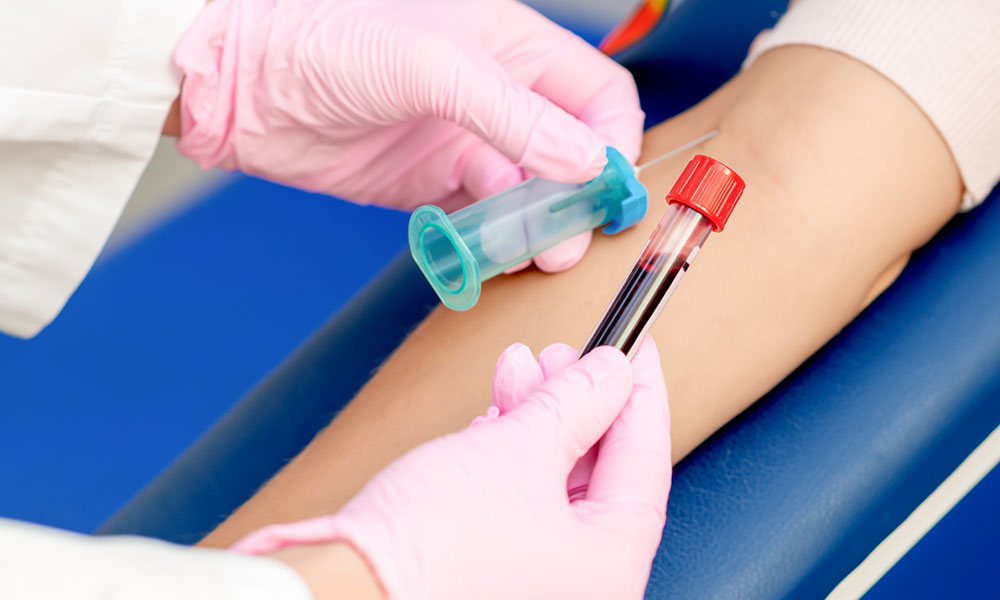
Detection Times by Drug Test Type
The amount of time that the drug will remain in your body will depend on which test was used to detect the drug in your body. Detection windows can differ based on the type of drug test used:
- Blood: approximately 24 to 48 hours
- Urine: approximately two to four days [5]
- Saliva: approximately one to four days
- Hair: up to 90 days
Typically, the most popular way to test for Dilaudid is using urine. Most individuals will ask how long Dilaudid stays in their urine. Most urine samples will clear completely within a few days. If an individual has used Dilaudid heavily or several times within a period of time (sometimes called chronic use), then their urine sample will take longer to be cleared, due to a build-up of the drug in the individual’s system.
How Long IV Dilaudid Stays in the Body
Dilaudid used by IV tends to reach peak levels more quickly than oral Dilaudid, but that does not mean the drug stays in your system longer because of this route of administration. The route of administration affects how quickly the drug works, not how long it remains detectable [3].
In other words, how long IV Dilaudid stays in your system is usually similar to that of the injectable or immediate-release forms taken by mouth. Detection windows remain largely the same.
Begin Your Journey
The team at Soba NJ understands that it can be overwhelming to reach out for help. If you are not ready to make a phone call, feel free to text with one of our caring treatment coordinators right now.
Factors That Influence How Long Dilaudid Stays in the Body
Some of the following variables affect the time that hydromorphone remains in the body:
- Metabolism and liver function: The liver plays a key role in breaking down opioids.
- Dosage and frequency: Higher or more frequent doses take longer to clear.
- Formulation type: Extended-release versions may remain active longer than immediate-release versions.
- Age and body composition: Older adults and those with higher body fat may eliminate drugs more slowly.
- Kidney function: Hydromorphone is excreted through the kidneys. Impaired kidney health can slow elimination [4].
- Hydration and other substances: Dehydration or the use of different medications and substances can affect processing time.
Combining opioids with other substances can also increase risks and complicate elimination.
Signs and Symptoms While Dilaudid Is Active and Wearing Off
Individuals may experience the following side effects while Dilaudid remains active in their bodies: pain relief, sedation, slowed breathing, and euphoria. Other possible side effects include nausea, constipation, and dizziness [2].
As the medication wears off, some people notice increased pain, restlessness, or mood changes. With repeated use, the body can become dependent. When this happens, stopping or reducing use may lead to withdrawal symptoms.
Early withdrawal symptoms can include anxiety, sweating, muscle aches, and insomnia. While not usually life-threatening, opioid withdrawal can be very uncomfortable and challenging to manage without support.
Frequently Asked Questions
The immediate release of Dilaudid typically lasts 4-6 hours for pain relief following administration [1]. However, IV Dilaudid acts faster than traditional oral forms; however, the duration of both will be relatively equal.
Yes. Dilaudid will be detectable in most standard drug tests for opioids. Urine is the “typical” standard test method and can detect hydromorphone up to four days [6].
The predominant difference is that IV will typically give you instant results compared to the other routes of ingestion. Dilaudid detection times will generally remain the same for both IV and oral routes of administration [3].
No. There are no safe methods to significantly increase the time that drugs are eliminated from your body. The best and safest approach to speeding up the elimination of a drug from your body is to remain hydrated and allow time for your body to process the drug.
Typically, the detection time of Dilaudid in urine is longer than in blood. Dilaudid usually stays in the urine longer than in the blood. Blood tests may detect it for one to two days, while urine tests can detect it for several days [5].
The length of time IV Dilaudid typically stays in your system is 4-6 hours for pain relief, and the time it produces sedation may vary by person and may be longer than with other routes of administration [1].
Yes. The chronicity or frequency of Dilaudid use will cause a buildup of Dilaudid in the body, and thus increase the time that it would take for the drug to be eliminated, and increase the possibility of physical dependence on hydromorphone [7].
Yes. Dilaudid is considered the “strongest” or “most potent” type of opioid. Because Dilaudid is more potent than most prescription medications for pain, individuals using lower doses of hydromorphone will often experience a higher level of effectiveness [7].
If you are feeling like you cannot control your use of Dilaudid, are feeling distress over the use of Dilaudid, and/or are experiencing symptoms of withdrawal, you should seek professional treatment and/or medical detox to help you manage risks safely.
[1] U.S. Food and Drug Administration. (2021). Dilaudid (Hydromorphone Hydrochloride) Oral Liquid and Tablets Label. https://www.accessdata.fda.gov/drugsatfda_docs/label/2021/019891s029,019892s037lbl.pdf
[2] National Library of Medicine. (2023). Hydromorphone: MedlinePlus Drug Information. https://medlineplus.gov/druginfo/meds/a682013.html
[3] U.S. Food and Drug Administration. (2023). Dilaudid (Hydromorphone Hydrochloride) Injection Label. https://www.accessdata.fda.gov/drugsatfda_docs/label/2023/019034s046lbl.pdf
[4] Smith, H. S. (2009). Opioid metabolism. Mayo Clinic Proceedings, 84(7), 613-624. https://pmc.ncbi.nlm.nih.gov/articles/PMC2704133/
[5] Alaska State Legislature (Clinical Reference). (n.d.). Interpretation of Opiate Urine Drug Screens. https://www.akleg.gov/basis/get_documents.asp?session=29&docid=2108
[6] Substance Abuse and Mental Health Services Administration. (2020). Medical Review Officer Guidance Manual. https://www.samhsa.gov/sites/default/files/2020-mro-manual.pdf
[ 7] Drug Enforcement Administration. (2020). Hydromorphone Fact Sheet. https://www.dea.gov/factsheets/hydromorphone