
 (888) 229-7989
  Client Portal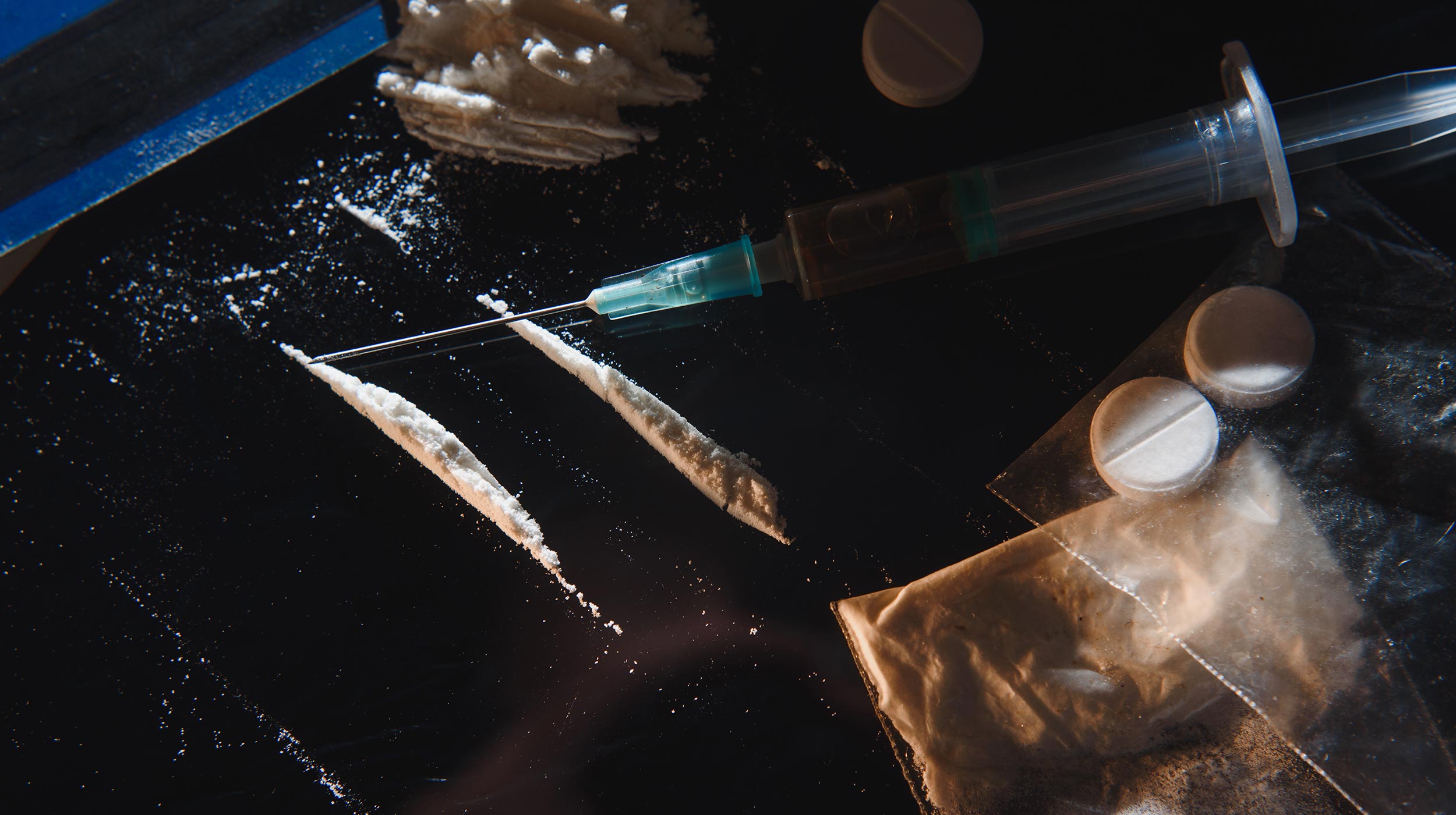
Crack vs Powder Cocaine: Understanding the Differences


Key Points
- Crack cocaine and powder cocaine are similar forms of the same stimulant drug.
- Though they are pharmacologically similar and produce similar effects, there are different use methods and risks.
- Crack is smoked for a rapid and intense high, while powder cocaine is usually snorted or injected.
- Crack and powder cocaine are both drugs of abuse with addiction potential.
The difference between crack and cocaine comes down to form and method of use.
Cocaine, often called powder cocaine or ‘coke’, is a fine white powder that is typically snorted or injected.
Crack cocaine is a solid, rock-like form of cocaine that is smoked. Both drugs contain the same active stimulant, but smoking crack delivers it to the brain in seconds rather than minutes, producing a faster, more intense, and shorter-lasting high. This is also what makes crack cocaine vs powder cocaine so different in terms of addiction risk; the rapid cycle of intense highs and crashes drives compulsive re-dosing.
How Are Crack and Cocaine Similar?
Crack cocaine is a derivative of cocaine. Both drugs are stimulants that cause euphoria, making them Schedule II controlled substances.[1]
However, crack causes a more rapid and stronger high than powder cocaine, which is caused by the fast-acting effects of smoking a drug rather than the crack cocaine form.[2]
Powder and crack cocaine have similar effects on the brain, influencing the release of neurotransmitters that affect behavioral patterns and movement, including dopamine, serotonin, and norepinephrine.[3] This action inhibits their reuptake, allowing them to build up in the brain and produce euphoria.
Cocaine’s effects come on quickly and include:[4]
- Euphoria
- Talkativeness
- Alertness
- Sensitivity to light and sound
- Low appetite
- Insomnia
- Irritability
- Paranoia
- Anxiety
- Constricted blood vessels
- Increase heart rate
- High body temperature
- High blood pressure
Get a Confidential Callback Now
To learn more about our New Jersey drug and alcohol treatment, contact us online or dial (888) 229-7989. We are available 24/7 to assist you. If you would like an immediate callback, fill out the form here.
How Is Crack Cocaine Made from Powder Cocaine?
Crack cocaine is a solid free-base form of cocaine.[5] It gets its name from the crackling sound it makes when heated. Crack is made by mixing cocaine powder into water and baking soda, then heating it to create a solid rock form that can be smoked.
The Anti-Drug Abuse Act of 1986 created a special status for crack that led to extreme legal consequences for using and possessing the drug.[6]
Powder cocaine is a byproduct of the coca plants that grow in South America. Cocaine hydrochloride, the pure chemical form, was isolated from the plant for use in tonics and as a local anesthetic.[7] It’s now a recreational drug that comes in a fine white powder to be snorted or dissolved in water and injected into a vein.
Crack vs. Cocaine: Differences
Crack and powder cocaine are essentially the same drugs, but they are used differently and have different effects and risks. Their chemical forms differ, as powder cocaine is a water-soluble hydrochloride salt, and crack cocaine is a water-insoluble freebase form of cocaine that is created using a simple conversion process to make it smokable.
The differing physical forms of these substances influence their common methods of use: powder cocaine is typically snorted or dissolved and injected, leading to rapid but slightly delayed effects compared to crack cocaine. Crack cocaine, when smoked, allows for almost immediate absorption through the lungs, resulting in a quicker and more intense rush.
While the drugs have the same addiction potential, these differences in their method of use factor into how addictive they are.[8] With crack, the effects are rapid and intense but fade quickly, leading people to binge the drug to chase their high.
Whatever the differences, crack and powder cocaine have significant risks with short- and long-term use. With snorting, smoking, or injecting cocaine, there can be detrimental effects on the heart and brain.
However, some methods of use carry additional risks. Smoking crack adds to the dangers of lung damage and asthma, while snorting can cause nosebleeds and sinus damage. Injecting cocaine can damage the brain and may lead to infectious diseases like HIV.
Crack and Cocaine Addiction
A cocaine addiction is a stimulant use disorder in the Diagnostic and Statistical Manual of Mental Disorders, Fifth Edition (DSM-5). The criteria include:[9]
- Using cocaine for longer periods or in larger amounts than intended
- Unsuccessful attempts to reduce or stop using cocaine
- Spending an inordinate amount of time seeking out, using, or recovering from cocaine
- Intense cravings for cocaine
- Using cocaine despite interpersonal problems
- Developing a tolerance for cocaine
- Experiencing withdrawal when stopping or reducing cocaine use
Begin Your Journey
The help you need is just a step away. Contact us today to learn more about our treatment options.
Treatment for Crack Cocaine Addiction
Crack cocaine addiction can be challenging to overcome, but treatment can help you not only address the substance use itself but the factors that contribute to it. Successful outcomes often involve individualized treatment programs.
The first step in cocaine addiction treatment is often detox. Cocaine withdrawal isn’t life-threatening, but it can be uncomfortable and intense. Detox provides a safe and comfortable environment with medical supervision to manage withdrawal symptoms and build a strong foundation for addiction treatment.
Once detox is complete, you may transition into an inpatient or outpatient program, depending on your needs. These settings offer different levels of support and supervision, but they often include therapies like cognitive behavioral therapy (CBT), motivational interviewing (MI), motivational enhancement (MET), contingency management, creative arts therapies, and group therapies.
Whether you’re struggling with crack or powder cocaine addiction, it’s important to seek help as soon as possible. Both of these drugs carry serious risks with regular use – as well as some additional risks with how they’re used. Though cocaine addiction is challenging to overcome, recovery is possible with treatment.
Frequently Asked Questions About Crack vs. Cocaine
Cocaine is addictive in every form and with every method of use, but smoking crack can have a higher risk of addiction because of how rapid and intense the effects are. Euphoria happens quickly and then fades, so people may binge crack to maintain their high.
There are several differences, but the primary difference is that crack cocaine is a rock form that’s derived from powder cocaine.
Cocaine is a Schedule II substance under the Controlled Substances Act (CSA) because of its abuse potential and limited medical uses. All forms of cocaine used to have similar legal consequences, but in 1986, with the “Crack Epidemic,” the CSA was updated to include more severe penalties for crack than powder cocaine. This wasn’t revised until 2010 with the Fair Sentencing Act, which reduced the penalties to a 10-to-1 ratio for crack to powder cocaine.[11]

SOBA New Jersey Editorial Policy
All content provided by SOBA NJ is measured against our stringent editorial policy. By measuring all content, educational materials, and curricula against our editorial guidelines, we can ensure that every resource we produce not only meets expectations but exceeds our high standards. We strive to deliver accurate and objective content based on experience and a deep knowledge of the recovery process.
Take the first step in getting your life back. Speak with our admissions team today.