
 (888) 229-7989
  Client Portal
 Can You Drink Rubbing Alcohol? The Risks of Drinking Rubbing Alcohol


Drinking rubbing alcohol poses severe and potentially fatal health risks. Rubbing alcohol, also known as isopropyl alcohol, is a toxic substance designed for external use only as a disinfectant and cleaning agent. People may consider consuming rubbing alcohol during times of desperation, curiosity, or when beverage alcohol is unavailable, but this decision can lead to immediate medical emergencies, including poisoning, organ failure, and death.
What is Rubbing Alcohol Used For?
Rubbing alcohol serves as a versatile antiseptic and cleaning agent with numerous household and medical applications.[1] Healthcare professionals use it to disinfect skin before injections, clean medical instruments, and sanitize surfaces in clinical settings. The high alcohol content effectively kills bacteria, viruses, and fungi on contact, making it an essential component in infection control protocols.
Beyond medical uses, people commonly employ rubbing alcohol for household cleaning tasks, including removing sticky residues, cleaning electronics, and disinfecting surfaces. The substance also finds applications in personal care routines such as cleaning makeup brushes, removing nail polish, and treating minor cuts or scrapes. Its quick evaporation rate and antimicrobial properties make it particularly effective for cleaning items that cannot be washed with water.
Can You Drink Rubbing Alcohol?
No, you should never drink rubbing alcohol under any circumstances, as it is highly toxic and can cause severe poisoning or death.[2] Rubbing alcohol contains isopropyl alcohol, which is chemically different from ethanol found in beverage alcohol and is not safe for human consumption. Even small amounts can lead to dangerous symptoms, including vomiting, difficulty breathing, low blood pressure, and central nervous system depression.
Ingesting rubbing alcohol can result in serious complications such as kidney failure, liver damage, seizures, coma, and potentially fatal respiratory depression.[3] The substance metabolizes into acetone in your body, creating additional toxic effects that overwhelm your organs and can cause irreversible damage. Emergency medical treatment becomes necessary immediately after ingestion, as there is no safe amount of rubbing alcohol that people can consume without risking severe health consequences or death.
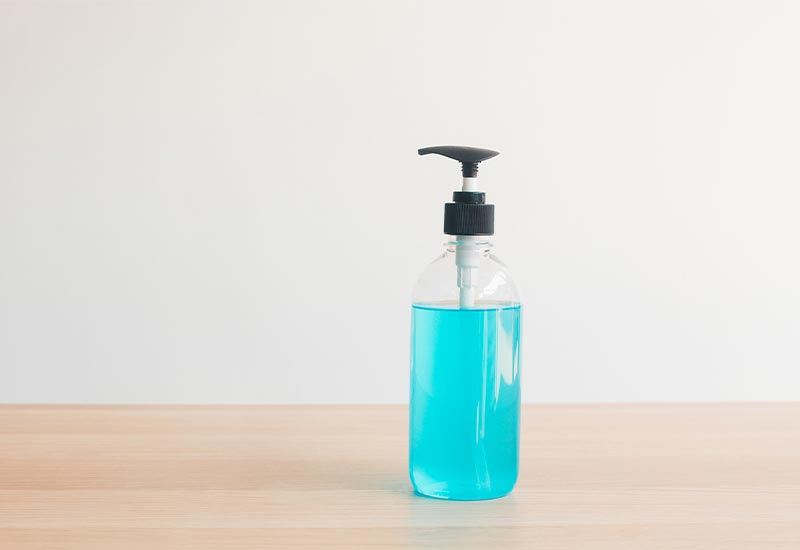
Why Would Someone Try to Drink Rubbing Alcohol?
People may attempt to drink rubbing alcohol for several dangerous reasons, most commonly when they cannot access beverage alcohol due to financial constraints, legal restrictions, or availability issues. Some people mistakenly believe that any type of alcohol will produce similar intoxicating effects, not understanding the fundamental differences between isopropyl alcohol and ethanol. This misconception can prove fatal, as the two substances have drastically different effects on the body.
Desperation during alcohol withdrawal, curiosity about alternative intoxicants, or severe alcohol use disorder may drive people to consume household products containing alcohol.[4] Young people sometimes experiment with rubbing alcohol due to peer pressure, social media challenges, or a lack of education about its dangers. Mental health crises, suicidal ideation, or extreme intoxication from other substances can also impair judgment enough to lead someone to consume toxic household chemicals without considering the life-threatening consequences.
What Happens If You Drink Rubbing Alcohol?
Drinking rubbing alcohol triggers immediate and severe toxic reactions throughout your body, beginning within minutes of consumption.[5] Your digestive system responds first with intense nausea, vomiting, and abdominal pain as the isopropyl alcohol irritates your stomach lining and esophagus. The central nervous system quickly becomes affected, causing confusion, dizziness, slurred speech, and loss of coordination that can rapidly progress to unconsciousness and respiratory failure.
As your liver attempts to process the toxic substance, it converts isopropyl alcohol into acetone, the same chemical found in nail polish remover.[6] This metabolic process creates additional poisoning effects while overwhelming your liver’s capacity to function correctly. Your kidneys simultaneously struggle to filter the toxins, potentially leading to acute kidney failure and dangerous electrolyte imbalances that affect heart rhythm and blood pressure.
The progression from initial symptoms to life-threatening complications can occur within hours, with death possible from respiratory depression, cardiovascular collapse, or multi-organ failure. Even surviving rubbing alcohol poisoning often results in permanent damage to the brain, liver, kidneys, or other vital organs. The toxic effects are so severe that no amount of rubbing alcohol consumption is considered safe, and immediate emergency medical intervention becomes critical for survival.
The Signs and Symptoms of Rubbing Alcohol Poisoning
Recognizing the signs and symptoms of rubbing alcohol poisoning is crucial for getting immediate medical help, as this condition can rapidly progress to life-threatening complications:[7]
- Nausea and vomiting: Severe stomach upset that may include blood in vomit.
- Abdominal pain: Intense cramping and burning sensation in the stomach area.
- Confusion and disorientation: Mental fog, difficulty thinking clearly, or altered consciousness.
- Slurred speech: Difficulty speaking coherently or forming words properly.
- Loss of coordination: Stumbling, inability to walk straight, or difficulty with fine motor skills.
- Difficulty breathing: Shallow, slow, or labored breathing patterns.
- Low blood pressure: Dizziness, lightheadedness, or fainting when standing.
- Rapid or irregular heartbeat: Heart palpitations or abnormal heart rhythms.
- Seizures: Convulsions or uncontrolled muscle movements.
- Unconsciousness: Loss of responsiveness or inability to wake the person.
- Blue lips or fingernails: Cyanosis indicates a lack of oxygen in the blood.
- Sweet or fruity breath odor: Acetone smell from the body metabolizing isopropyl alcohol.
The Long-Term Health Effects of Drinking Rubbing Alcohol
Surviving rubbing alcohol poisoning often results in permanent damage to vital organs and bodily systems that can persist for years or even a lifetime. The toxic effects of isopropyl alcohol and its metabolite acetone can cause irreversible harm that significantly impacts quality of life and overall health outcomes:[8]
- Brain damage: Permanent cognitive impairment, memory loss, and difficulty with decision-making.
- Liver scarring: Cirrhosis-like damage that affects the liver’s ability to function correctly.
- Kidney disease: Chronic kidney dysfunction requiring ongoing medical management.
- Vision problems: Partial or complete blindness from optic nerve damage.
- Hearing loss: Permanent damage to the auditory system affecting hearing ability.
- Neurological disorders: Persistent coordination problems and movement difficulties.
- Gastrointestinal issues: Chronic stomach problems, ulcers, and digestive complications.
- Cardiovascular damage: Heart muscle damage and increased risk of heart disease.
- Respiratory complications: Long-term breathing difficulties and lung function impairment.
- Mental health effects: Depression, anxiety, and post-traumatic stress from the poisoning experience.
- Increased infection risk: Compromised immune system, making the body more susceptible to illness.
- Metabolic disorders: Disrupted body chemistry affecting blood sugar and hormone levels addiction treatment programs that combine medical detox, counseling, and aftercare support to help people achieve lasting recovery. Healthcare professionals can provide safe withdrawal management, medication-assisted treatment, and therapy to address the root causes of substance abuse while developing healthy coping strategies.
Getting Help for Alcohol Use Disorders and Substance Abuse
People struggling with alcohol use disorders who consider drinking rubbing alcohol need immediate professional intervention to address both the underlying addiction and prevent life-threatening poisoning incidents. Treatment options include evidence-based
There is a Better Way to Live. It’s Time to Get the Help You Deserve.
Take the first step in getting your life back. Speak with our admissions team today.
Soba NJ’s Editorial Guidelines
Like any policy, an editorial policy sets forth a standard for all content produced by Soba NJ. By measuring all content, educational materials, and curricula against this standard, we can ensure that all resources are prepared to meet or exceed our high standards for accuracy, relevance, and integrity. We’re committed to upholding this standard by adhering to three primary objectives when creating all resources.