
 (888) 229-7989
  Client Portal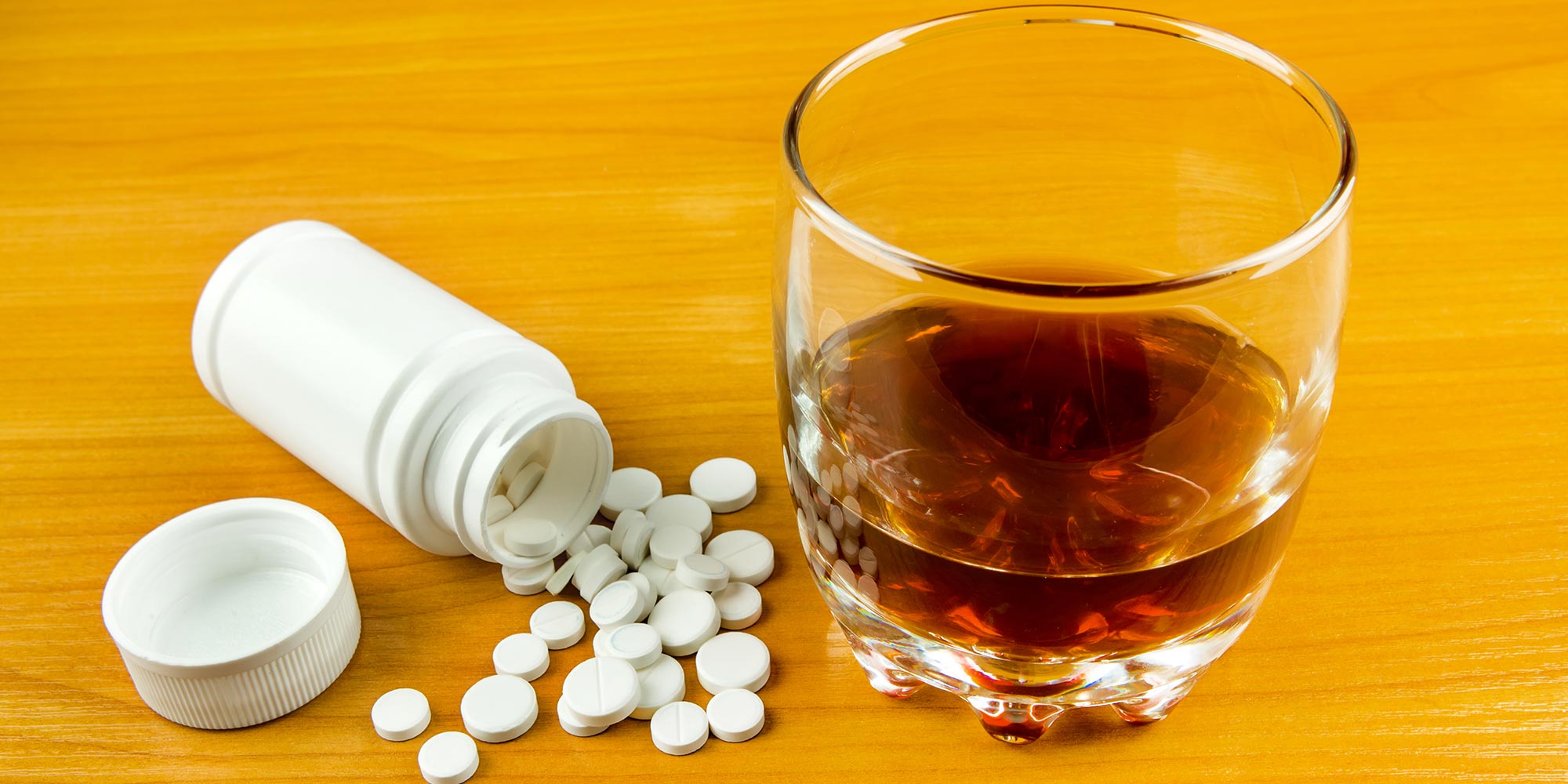
Tramadol and Alcohol: Interactions, Side Effects, and Risks


Key Points
- Tramadol is an analgesic medication that affects the central nervous system.
- As an opioid, tramadol can have serious drug interactions, including dangerous interactions with alcohol and other central nervous system depressants.
- Together, alcohol and tramadol can cause worsening side effects and an increased risk of overdose.
- An addiction to both tramadol and alcohol is a polysubstance use disorder, which can be complicated to treat.
Tramadol hydrochloride, also known as Ultram and Ultracet, is an analgesic (painkiller) that affects the central nervous system. As a central nervous system depressant, tramadol has some dangerous drug interactions, including alcohol.
Learn more about the dangers of tramadol mixed with alcohol, tramadol, and alcohol side effects, and what you need to know.
What Is Tramadol?
Tramadol is an opioid that’s often used to treat pain. It comes in immediate- and extended-release formulations, sometimes in combination with acetaminophen like other opioids. Tramadol blocks pain signals along the nerves to the brain to relieve pain.
Though generic versions are available, Tramadol is sold under the brand names Ultram, Ultracet, ConZip, Qdolo, and Seglentis.
When taken as prescribed, Tramadol has side effects like dizziness, nausea, and vomiting.[1] It has a low potential for dependence compared to other opioids, but it can still happen if you take the drug for extended periods.
Misusing tramadol by taking higher doses or more frequent doses than prescribed or chewing, breaking, or crushing pills can cause feelings of euphoria and other mood-altering effects.[2] It can also lead to more serious side effects, including a potentially life-threatening condition called serotonin syndrome. Some symptoms of serotonin syndrome include confusion, agitation, abnormal eye movements, diarrhea, fever, shivering, and tremors.[3]
Get a Confidential Callback Now
To learn more about our New Jersey drug and alcohol treatment, contact us online or dial (888) 229-7989. We are available 24/7 to assist you. If you would like an immediate callback, fill out the form here.
Dangers of Tramadol and Alcohol
Tramadol has some drug interactions, including interactions when used in combination with other central nervous system depressants like alcohol. Combining the two can intensify the sedative and respiratory depression effects of both, leading to symptoms like:[4]
- Dizziness
- Drowsiness
- Confusion
- Difficulty concentrating
- Impairment in thinking and motor coordination
More serious adverse effects can occur, including unconsciousness, coma, respiratory arrest, overdose, and possible death.
Taking too much tramadol can cause an overdose when combined with other substances like alcohol. A potentially fatal tramadol overdose can have symptoms like:[5]
- Cold, sweaty skin
- Excessive fatigue
- Loss of muscle control
- Increased heart rate
- Pinpoint pupils
- Trouble breathing[5]
There can be complications with tramadol overdose, including atypical snoring, seizures, partial or complete airway obstruction, fluid in the lungs, low heart rate, decreased blood pressure, and death.[6]
Anyone using opioids can overdose, but the risks are increased if you take high daily doses of tramadol, take tramadol more often than prescribed, or combine tramadol with alcohol, other depressants, or illicit drugs. The overdose risk is higher in people with certain medical conditions, such as sleep apnea and reduced liver or kidney function, and in elderly people.
Dependence and Addiction to Tramadol and Alcohol
Tramadol use, even when taken as prescribed, can build tolerance. This means your body has become accustomed to tramadol, and you need higher amounts to get the pain-relieving effects. As you take more of the drug, the side effects and overdose risks increase.
Tramadol also causes physical dependence, which is when your body becomes used to having tramadol and needs it to function. This is not an addiction on its own, but it can be a symptom. The same is true of alcohol use.
If you combine tramadol and alcohol, eventually, more and more of each substance is needed to function normally. Over time, this can develop into an addiction, which is the compulsive desire to seek out and use substances despite negative consequences.
Precautions to Take with Tramadol
Tramadol has risks and interactions that you need to be aware of, including the risk of adverse effects when mixed with alcohol.
If you’re taking tramadol, avoid the use of alcohol, including alcohol that may be found in mouthwash, cough medicine, or other sources. Even small amounts of alcohol can be dangerous, so be sure to speak to your doctor before drinking with tramadol in your system.
Never take more than the recommended dose of tramadol, and avoid driving, operating machinery, or engaging in risky activities that require alertness and coordination until you know how the medication affects you.
Make sure you talk to your doctor about the interactions and risks of tramadol. You should tell them about any other medications or substances you take, including supplements and vitamins. If you have a history of substance abuse or mental illness, discuss it with your doctor to ensure that tramadol is safe for you.
Never stop taking tramadol on your own, as withdrawal can occur. Talk to your doctor about how to stop taking this drug safely and avoid drinking alcohol until your doctor says it’s safe to do so.
Addiction to Multiple Substances
Addiction to multiple substances, such as tramadol and alcohol, is polydrug abuse or a polysubstance use disorder. This happens if you misuse two or more substances long term and can’t stop, despite physical or social problems.
Some of the signs and symptoms of polysubstance use disorder include:[7]
- Taking a drug in a way that’s not intended, such as taking tramadol for euphoria or taking higher doses than prescribed.
- Experiencing cravings for substances and trying to control when or how much you use unsuccessfully.
- Spending a lot of time trying to obtain, use, or recover from substances.
- Developing a tolerance to substances and needing higher amounts to feel the effects.
- Becoming dependent on the substances and experiencing withdrawal if you stop or reduce your dose.
- Being unable to reduce or stop using the substances.
- Continuing to use substances despite problems or risks, such as driving under the influence of tramadol or alcohol.
Can I Quit Tramadol and Alcohol Cold Turkey?
It can be dangerous to stop using either opioids or alcohol without medical supervision. Withdrawal from opioids can be extremely intense and includes symptoms like vomiting and diarrhea, which can cause electrolyte imbalances and dehydration.[8]
Though opioid withdrawal is uncomfortable and may have complications, alcohol withdrawal can be life-threatening. Withdrawal symptoms from alcohol may include agitation, anxiety, increased blood pressure, high heart rate, vomiting, high body temperature, hallucinations, and seizures.[9]
Experiencing both opioid and alcohol withdrawal simultaneously can be severe and may increase the risk of complications. Never quit tramadol or alcohol suddenly and without medical supervision. Drug and alcohol rehabs can help you detox and recover safely.
Treating Polysubstance Use Disorder
If you’re struggling with polysubstance abuse or addiction, an alcohol addiction, or an opioid addiction, it’s important to seek help to overcome it. In addition to the risks of withdrawal, the risk of relapse is extremely high with these substances.
Medical detox is a necessary first step in treating polysubstance use disorder, particularly with alcohol and tramadol. These withdrawal syndromes can be challenging on their own, but there are added complications when they occur together. A medical team in detox can monitor your health, administer medications as needed, manage withdrawal symptoms, and prevent complications to build a strong foundation for recovery.
Once detox is complete, it’s crucial to complete an addiction treatment program on an inpatient or outpatient basis. Effective treatment involves treating the whole person, including the psychological, social, and emotional aspects of addiction.
Addiction treatment programs include individualized care, but you may undergo individual therapy, group counseling, support groups, behavioral therapies, or medication-assisted therapy. These treatment programs can ensure that you’re comfortable and reduce the likelihood of relapse.
Begin Your Journey
The help you need is just a step away. Contact us today to learn more about our treatment options.
Avoid Polydrug Abuse with Tramadol and Alcohol
Tramadol is an opioid with a lower addiction risk than other opioids like fentanyl, but it’s not completely safe. Tramadol interactions with alcohol and other depressants can be extremely dangerous, leading to potentially fatal effects. Always be cautious with tramadol, and if you struggle with polydrug abuse, seek help as soon as possible to avoid serious risks like overdose.
Frequently Asked Questions About Tramadol and Alcohol
Tramadol and alcohol can be dangerous when used together. It’s best to avoid taking tramadol if you’ve been drinking alcohol, as combining them may intensify the sedative effects and can cause unconsciousness, respiratory arrest, overdose, coma, or death.
Alcohol should never be mixed with other drugs that depress the central nervous system, such as tramadol. Doing so may worsen the side effects of the medication.
No opioid pain medication, also known as narcotic painkillers, is safe with alcohol. The painkiller alcohol risks are similar to tramadol or other opioids. You should also avoid Tylenol, Excedrin, or other acetaminophen pain relievers, as they can harm the liver.
Though tramadol doesn’t cause damage to the liver or kidneys at normal doses, long-term use, high doses, or drug interactions can increase this risk – particularly with alcohol.[10]

SOBA New Jersey Editorial Policy
All content provided by SOBA NJ is measured against our stringent editorial policy. By measuring all content, educational materials, and curricula against our editorial guidelines, we can ensure that every resource we produce not only meets expectations but exceeds our high standards. We strive to deliver accurate and objective content based on experience and a deep knowledge of the recovery process.
Take the first step in getting your life back. Speak with our admissions team today.