
 (888) 229-7989
  Client Portal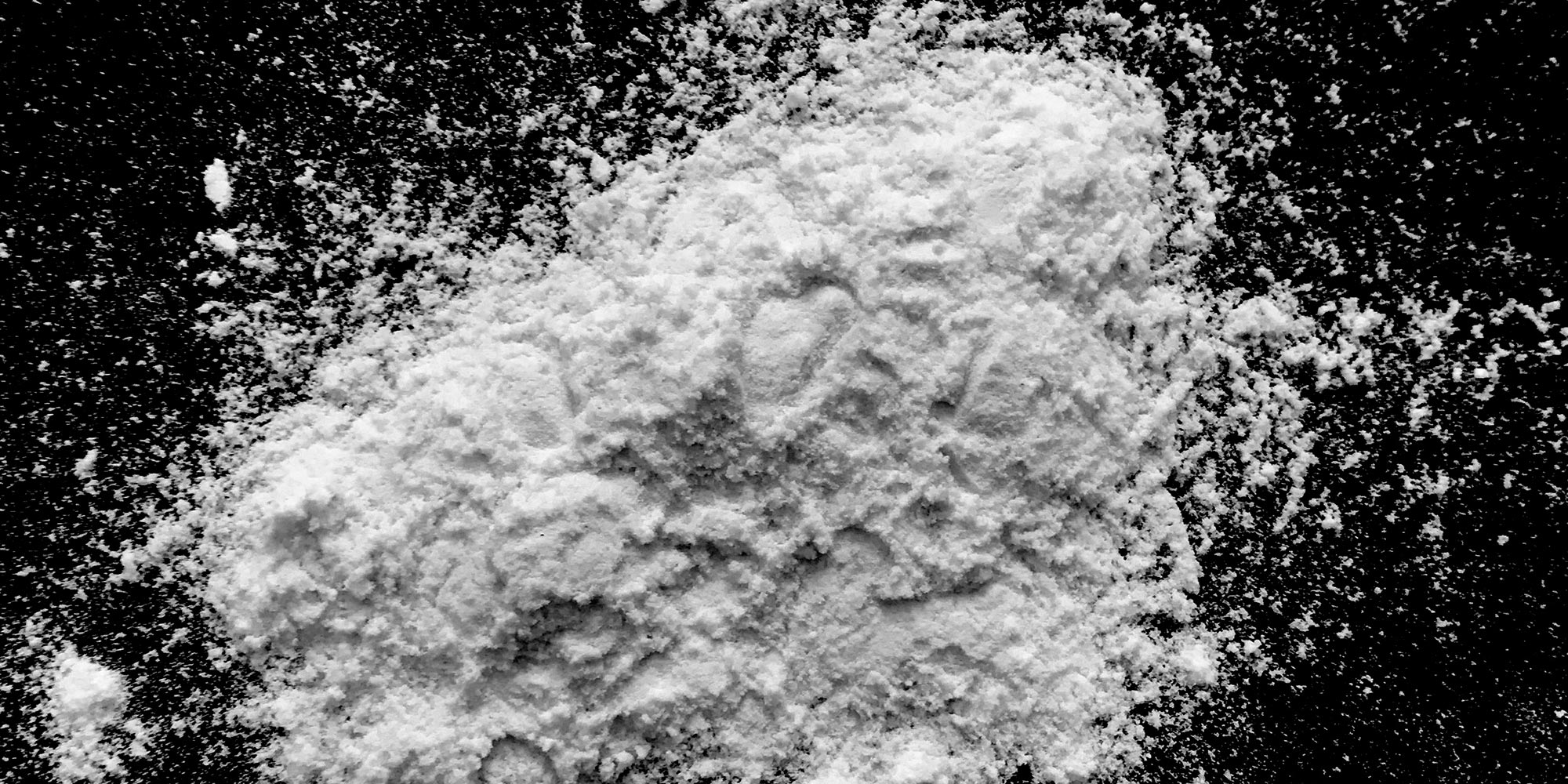
Powdered Alcohol: Uses and Risks of Palcohol


Key Points
- Powdered alcohol is a dried form of alcohol that’s made using microencapsulation.
- Powdered alcohol is approximately 50% alcohol by weight, but when reconstituted, its alcohol content may vary, often resulting in a beverage with around 10-12% alcohol by volume.
- Thirty-six states have banned powdered alcohol, and several more have regulated it, though it remains legal in a few states.
- Powdered alcohol likely has the same risks as liquid alcohol, as well as additional risks of overconsumption and misuse.
Alcohol is woven into our social experiences. People often have cocktails after work, a glass of wine with dinner, or a few drinks on a night out. It’s always in liquid form, so the concept of powdered alcohol may not even seem real.
Powdered alcohol, or Palcohol, a form of dried alcohol made by encasing molecules of alcohol inside sugar molecules, is a real substance approved by the FDA in 2015.[1] It’s a packet of powder that can be mixed into a drink like an electrolyte packet, but is it safe?
What Is Powdered Alcohol?
Powdered alcohol, also known as alcohol powder or Palcohol, is an ethanol-based product produced using microencapsulation. This process is when micro-particles have a core surrounded by a different substance. For powdered alcohol, the alcohol is absorbed by the sugar, leaving behind a powder that can be rehydrated for an instant alcoholic drink.
Alcohol comes in powder form and can be reconstituted with water, turning it into traditional alcoholic drinks.
Where Did Powdered Alcohol Come From?
The concept of powdered alcohol has existed since the 19th century. The first mention was in an 1877 patent, but it wasn’t produced until 1966 when Sato Foods Industries Co., Ltd. Invented alcohol pulverization in Japan.[2] It was then patented in 1974 and produced in 17 countries worldwide.
However, despite the FDA’s approval, powdered alcohol hasn’t been successfully sold in the US, and its legalization status is controversial.
How Do People Use Powdered Alcohol?
Powdered alcohol is used similarly to liquid alcohol, just in a different form. It’s often dissolved or mixed into water or another liquid to create a mixed drink. However, one of the controversies surrounding powdered alcohol is health concerns and misuse, such as snorting the powder.
Get a Confidential Callback Now
To learn more about our New Jersey drug and alcohol treatment, contact us online or dial (888) 229-7989. We are available 24/7 to assist you. If you would like an immediate callback, fill out the form here.
How Is Powdered Alcohol Different from Liquid Alcohol?
Powdered alcohol is different from alcoholic beverages in several ways, the most obvious being its solid form. Powdered alcohol products considered for the market state that the powder is 50% alcohol by weight and 10% alcohol by volume.[3]
Most liquid alcohol is measured by volume and has about 40% to 50% alcohol. With different standards of measurement, this presents a concern for consumers who may not understand exactly how much alcohol they’re consuming.
Risks of Powdered Alcohol
Alcohol in powder form is fairly new, but it likely carries the same risks as liquid alcohol with a few additions. There are legitimate concerns about misuse, such as snorting, which could damage the nasal cavity and create an instantaneous intoxicated feeling.[4] However, the Palcohol manufacturer claims that it would take 60 minutes to snort the equivalent of one shot of liquid alcohol.[5]
Another risk is how it could be transported. Currently, states regulate how alcohol can be purchased and transported, particularly in vehicles. With powdered alcohol, it would be easier to sneak it into events, share it with minors, or use it while driving. Minors may even be able to bring powdered booze into schools, putting other children at risk.
Finally, alcohol powder can act as a new “date rape” drug. It’s easy to hide, so people may be able to add alcohol to drinks or food without the person’s knowledge or consent. Even for people who understand powdered alcohol’s content by volume, it’s more difficult to track the amount ingested. Dosing people’s drinks with powdered ethanol could have dangerous consequences.
Is Powdered Alcohol Legal?
Alcohol powder has a developing legal status across the US. Certain areas are already concerned, and 36 states have banned powdered alcohol outright in 2024.[6] Several other states regulate powdered alcohol like other alcoholic products.
Some states have exemptions for research purposes, and hospitals, healthcare providers, universities, and pharmaceutical companies are among those exempt.
Addiction Risk of Powdered Alcohol
Dry alcohol powder is new and hasn’t had much research, but critics are already concerned about potential misuse, abuse, and overconsumption. Powdered alcohol becomes liquid when mixed in water or another mixer, so presumably, it has the same addiction potential as liquid alcohol and similar risks, including:[7]
- Heart problems
- Mental illnesses like bipolar disorder or schizophrenia
- Anxiety and depressive disorders
- Gastrointestinal damage
- Liver damage
- Cognitive impairment
- Memory impairment
- Certain types of cancer
However, the differences in how the alcoholic content is measured can make it more difficult to monitor how much you’re drinking. Powdered alcohol may have a higher binge-drinking potential because of this.
In addition, the bans on powdered alcohol and its availability can create an increased demand for illicit sources. Because people already abuse liquid alcohol, powdered alcohol may become a popular new street drug.
Whether liquid or powder, alcohol is a highly addictive substance. While many people can use alcohol on occasion without problem behaviors or health effects, addiction is possible. The official term for alcohol addiction is an alcohol use disorder, which includes the following criteria:[8]
- Taking alcohol in larger amounts or over a longer period than intended
- A persistent desire or unsuccessful efforts to cut down or control alcohol use
- Spending a lot of time obtaining, using, or recovering from alcohol
- Experiencing cravings or a strong desire to use alcohol
- Failing to fulfill obligations at work, school, or home because of alcohol use
- Continuing to use alcohol despite persistent social or interpersonal problems
- Giving up important social, occupational, or recreational activities for alcohol use
- Using alcohol in situations in which it is physically hazardous
- Continuing alcohol use despite knowing that problems have been exacerbated by alcohol
Begin Your Journey
The help you need is just a step away. Contact us today to learn more about our treatment options.
Be Cautious with Powdered Alcohol
Liquid alcohol has a potential for abuse or addiction. A new means to consume alcohol – or misuse it – in powdered form can increase the risk of alcohol addiction. Powdered alcohol also raised concerns about misuse, particularly among minors.
Frequently Asked Questions About Powdered Alcohol
Powdered alcohol is alcohol absorbed by sugar, leaving behind a powder that can be reconstituted to turn it into liquid form.
In mixology, dry alcohol is an alcoholic beverage with less sweet flavor and more of a “bite.” This is different from dry powder alcohol, which is another name for powdered alcohol.
Since its approval, powdered alcohol has been banned in 36 US states. Other states allow its sale with certain restrictions. If you plan to use powdered alcohol, make sure you’re aware of your local and state laws.
Yes, some types of powdered wines are produced by grape skins and seeds from winemakers. However, powdered wine isn’t used to reconstitute and drink like powdered alcohol. Instead, it’s a flavor and nutrition supplement for cooking recipes, such as sauces or spice rubs.

SOBA New Jersey Editorial Policy
All content provided by SOBA NJ is measured against our stringent editorial policy. By measuring all content, educational materials, and curricula against our editorial guidelines, we can ensure that every resource we produce not only meets expectations but exceeds our high standards. We strive to deliver accurate and objective content based on experience and a deep knowledge of the recovery process.
Take the first step in getting your life back. Speak with our admissions team today.