
 (888) 229-7989
  Client Portal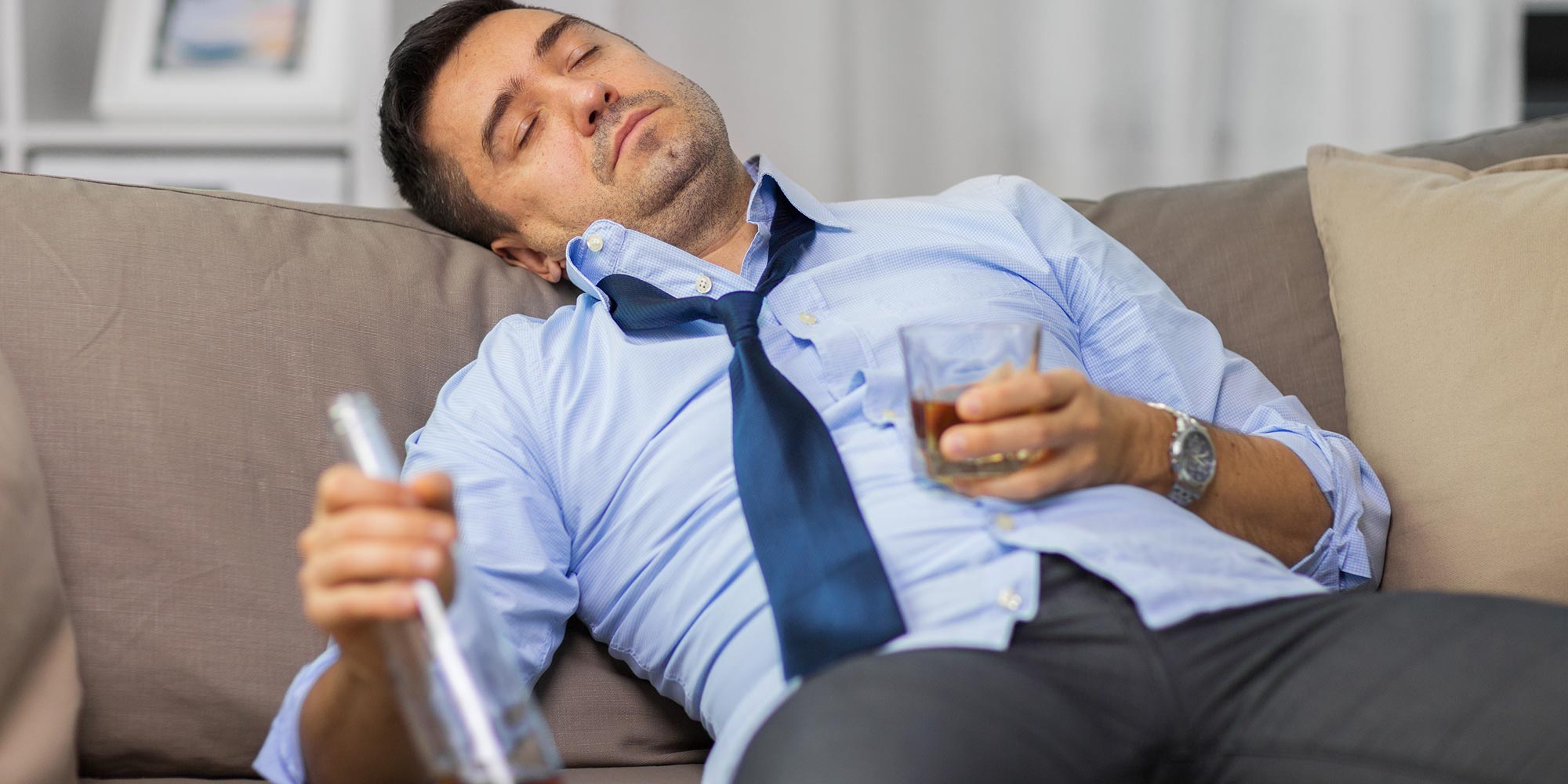
Drinking on Muscle Relaxers: What Are the Risks?


Some of the risks of combining alcohol and muscle relaxers include extreme dizziness and drowsiness, fainting, confusion and memory problems, liver damage, and overdose. Alcohol and muscle relaxers are both central nervous system depressants, which means taking them together can increase their sedative effects. There is no safe way to consume alcohol while you are taking muscle relaxers. You should not consume any alcohol while you are taking muscle relaxers.
What Are Muscle Relaxers?
Muscle relaxers are prescription medications that treat muscle spasms and musculoskeletal pain.[1] Muscle relaxants are commonly prescribed for acute and chronic back pain. Muscle relaxants are central nervous system depressants. They work by sedating nerves, preventing them from sending pain signals to the brain.
There are two different types of muscle relaxant classifications.[2]
Antispastic: These work on the skeletal muscles or the spinal cord to reduce muscle contractions and involuntary spasms linked to spasticity. Spasticity is a pattern of muscle movements that causes muscle stiffness and uncontrolled movements.
Spasticity is usually caused by damage to the nerve pathways in the brain and spinal cord injuries. These treatments work directly on the skeletal muscle and spinal cord to improve muscle tightness and stop involuntary spasms. Medical conditions that cause spasticity include cerebral palsy, multiple sclerosis, spinal cord injury, stroke, brain injury, and Lou Gehrig’s disease, also known as ALS.
Antispasmodic: These work to reduce muscle spasms by changing the nerve conduction in the central nervous system. They are prescribed for musculoskeletal and myofascial pain, usually for muscle spasms and lower back pain. Medications that fall in this category of muscle relaxers are usually only prescribed after other medications haven’t worked and only prescribed for a short period, as they have a high risk for misuse and abuse.
Get a Confidential Callback Now
To learn more about our New Jersey drug and alcohol treatment, contact us online or dial (888) 229-7989. We are available 24/7 to assist you. If you would like an immediate callback, fill out the form here.
Common muscle relaxer brands include:[3]
Antispastic muscle relaxants:
- Baclofen (Lioresal)
- Dantrolene (Dantrium)
Antispasmodic muscle relaxants:
- Carisoprodol (Soma, Vanadom)
- Chlorzoxazone (Lorzone, Parafon Forte DSC, Relax-DS, Remular S)
- Cyclobenzaprine (Fexmid, Flexeril)
- Metaxalone (Metaxall, Skelaxin)
- Methocarbamol (Robaxin)
- Orphenadrine (Norflex)
Combination antispastic and antispasmodic muscle relaxants:
- Tizanidine (Zanaflex)
- Diazepam (Valium)
Muscle Relaxant Side Effects
Common side effects of many muscle relaxants include:
- Drowsiness and fatigue
- Dizziness
- Nausea
- Headache
- Dry mouth
There are many serious side effects of muscle relaxants.
- Fainting
- Blurred vision
- Seizures
- Sedation that prevents the completion of daily tasks
These side effects matter because many people take muscle relaxants while they are already in pain, tired, or limited in mobility. Even when taken as prescribed, a muscle relaxer can make driving, climbing stairs, cooking, working, or caring for children less safe. Alcohol can make these same tasks even riskier by slowing reaction time and reducing coordination.
Some muscle relaxants also carry additional concerns. Carisoprodol, for example, has abuse potential and can contribute to dependence when misused or taken for longer than recommended.[4] This does not mean everyone who takes a muscle relaxer will become dependent, but it does mean these medications should be taken only as prescribed and discussed openly with a healthcare provider.
Alcohol Side Effects
Alcohol is a central nervous system depressant.[5] It slows down brain activity and can change a person’s mood, behavior, and self-control. Alcohol can make it difficult to think, cause memory problems, and lead to coordination and physical control problems.
Alcohol’s effects vary from person to person, depending on numerous factors such as the amount drunk, frequency of drinking, age, gender, health, and family history.
The short-term side effects from alcohol can be caught if one knows what to look for.[6] They include:
- Reduced inhibitions
- Slurred speech
- Motor impairment
- Confusion
- Memory problems
- Concentration problems
- Breathing problems
- Coma
- Death
Long-term side effects from alcohol can affect multiple parts of the body, including the brain, cardiovascular system, liver, pancreas, immune system, and cancer risk.[7] These may include:
- Brain problems: Memory and cognitive changes and difficulties
- Cardiovascular problems: Cardiomyopathy, arrhythmias, stroke, and high blood pressure
- Liver problems: Fatty liver, alcoholic hepatitis, fibrosis, and cirrhosis
- Pancreatitis: Inflammation and impairment of the pancreas
- Cancer: Certain types of cancer have a higher risk with alcohol use, including head and neck cancers, esophageal cancer, liver cancer, breast cancer, and colorectal cancer
- Immune system problems: Alcohol weakens the immune system, and chronic drinkers are at a higher risk of contracting pneumonia, tuberculosis, and other diseases
Why Alcohol and Muscle Relaxers Are a Dangerous Combination
You should not consume alcohol if you have been prescribed muscle relaxers. Both muscle relaxers and alcohol are depressants, slowing down your central nervous system. Consuming them both at the same time can worsen the side effects and increase the risk of overdose. Driving and other potentially risky activities should be avoided, as they can become more dangerous when combining alcohol and muscle relaxers.
There are various symptoms when combining alcohol and muscle relaxants.[8] They include:
- Extreme dizziness
- Extreme drowsiness
- Blurred vision
- Low blood pressure
- Fainting
- Memory problems
- Confusion
- Liver damage
- Increased risk of overdose
The danger is not only that you might “feel more tired.” The concern is that alcohol and muscle relaxers can compound each other’s effects. A person may become more impaired than expected after drinking an amount of alcohol they normally tolerate. They may fall asleep in unsafe situations, fall and injure themselves, make impulsive decisions, or experience dangerously slowed breathing.
This risk can be higher if someone is also taking opioids, benzodiazepines, sleeping pills, antidepressants, antihistamines, or other medications that cause sedation. It can also be higher for older adults, people with liver disease, people with sleep apnea, and anyone taking more than the prescribed dose of a muscle relaxant.
A review on the appropriate use of muscle relaxers for acute low back pain reported that, in 2011, an estimated 53,000 emergency department visits were caused by muscle relaxant misuse or abuse, and 18% of those cases involved alcohol consumption.[9] That statistic is one reason this interaction should be treated seriously, even when the medication was legally prescribed.
Overdose Risks
Mixing alcohol and muscle relaxers increases your risk of overdose as they are both central nervous system depressants. Taking them together can exacerbate their sedative effects and result in overdose.
If you or a loved one is experiencing any of the following muscle relaxant overdose symptoms, seek immediate medical attention. Overdose symptoms can be fatal. Seek immediate medical attention by calling 911 or going to the nearest emergency department.
The symptoms of muscle relaxer overdose include:[10]
- Hallucinations
- Seizures
- Changes in consciousness
- Respiratory depression
- Cardiac arrest
- Coma
- Death
Some overdose symptoms may look like extreme intoxication at first. A person may seem unusually sleepy, confused, hard to wake, unable to walk steadily, or unable to speak clearly. Do not assume they only need to sleep it off. If breathing slows, the person becomes unresponsive, or you cannot keep them awake, call 911 right away.
For carisoprodol specifically, prescribing information notes that many overdoses have occurred in the setting of multiple-drug overdoses, including alcohol, and that the effects of carisoprodol and other central nervous system depressants can be additive.[11] In plain terms, even prescribed doses can become more dangerous when mixed with alcohol or other sedating substances.
What Should You Do if You Accidentally Drink Muscle Relaxers?
If you realize you accidentally consumed alcohol while taking a muscle relaxant, stop drinking immediately. Do not drive, operate machinery, take more medication, or take other sedating substances. If possible, stay with a trusted sober person who can watch for symptoms.
Call your healthcare provider, pharmacist, or Poison Control for guidance. Poison Control can be reached at 1-800-222-1222 in the United States, and poison specialists can help you determine what to do next based on the medication, dose, timing, and amount of alcohol consumed.
Call 911 right away if you or someone else has trouble breathing, chest pain, seizures, loss of consciousness, severe confusion, extreme drowsiness, repeated vomiting, blue or pale skin, or cannot be woken up. It is better to get emergency help and not need it than to wait too long during a possible overdose.
How Can You Safely Consume Alcohol While on Muscle Relaxers?
There is no level of drinking alcohol while taking muscle relaxers that is considered safe. Muscle relaxants have too many side effects that are exacerbated with alcohol and can have life-threatening consequences.
While every person is different in how they respond to medications, even if you have heard others claim they have safely taken muscle relaxers while drinking, that does not mean it will also be your experience. The risk is too high to experiment and see if you can do this without too many adverse side effects.
If you want to drink after finishing a muscle relaxer prescription, ask your healthcare provider or pharmacist how long you should wait. Different muscle relaxers have different half-lives, and some may stay active in the body longer than others.
Begin Your Journey
The help you need is just a step away. Contact us today to learn more about our treatment options.
Getting Help for Drinking on Muscle Relaxants
If you or a loved one have been prescribed a muscle relaxant and are finding it difficult not to drink, ask for help. There are many treatment programs available to help you lower your alcohol use so that you can safely take your muscle relaxant. If you are worried about your alcohol intake, alcohol rehab can help you assess your use and determine a plan that works with your lifestyle.
This may include detox, inpatient treatment, outpatient treatment, or some combination with an aftercare recovery program. Many people struggle with alcohol use as it is so readily available and culturally acceptable. If you are finding that alcohol is now controlling your life, seek help.
At SOBA New Jersey, we help people address alcohol use, prescription drug misuse, and co-occurring mental health concerns with compassionate, individualized care. Our admissions team can help you understand your treatment options, verify insurance, and take the next step toward recovery.
Frequently Asked Questions About Drinking On Muscle Relaxers
It depends on what muscle relaxer you took. Muscle relaxers have different half-lives, which determine how long they stay in your body. Some can be out of your body within hours, while others can take days. Ask your healthcare provider or your pharmacist how long you should wait after taking your last dose of muscle relaxer before having a drink.
Although this is a dangerous practice due to the risk of overdose, some people mix alcohol and muscle relaxants because they like the feeling it gives them. Some people experience a sense of euphoria, increased relaxation, and increased sleepiness. This increased sleepiness is dangerous as it is possible to pass out and not wake up. Mixing alcohol and muscle relaxants also increases your risk of liver damage and long-term consequences such as memory problems.
If you realize you have accidentally consumed alcohol and you are taking muscle relaxers, the first thing is to stop drinking. Do not drive or take another dose until you have spoken with a healthcare professional. If you can contact your healthcare provider, you should talk to them immediately. If it is after hours or they are unavailable, call Poison Control at 1-800-222-1222.
Your doctor and Poison Control will need to know what medication you are on, what dosage you take, and when your last dose was. It will also be helpful for them to know how much alcohol you believe you consumed.
Alcohol is a diuretic, which means it makes you urinate more. This has the potential to lead to dehydration and an electrolyte imbalance. Dehydration and unbalanced electrolytes in your body can make your muscle spasms worse. Keeping your body well hydrated with plenty of water and your muscles nourished by eating healthy foods, getting sufficient rest, following your doctor’s directions, and eliminating alcohol are all things that will help reduce muscle spasms and improve your health.
Yes. Mixing alcohol and muscle relaxers can be fatal, especially if the person takes a high dose, mixes more than one sedating substance, has underlying breathing problems, or becomes so sedated that breathing slows. Call 911 immediately if someone is hard to wake, breathing slowly, having seizures, or losing consciousness.
There Is A Better Way To Live. It’s Time To Get The Help You Deserve.
Take the first step in getting your life back. Speak with our admissions team today.
[1] [2] [3] [8] [10] Cleveland Clinic. (2023, February 7). Muscle relaxers. https://my.clevelandclinic.org/health/treatments/24686-muscle-relaxers
[4] [6] Conermann, T., & Christian, D. (2024). Carisoprodol. StatPearls. National Library of Medicine. https://www.ncbi.nlm.nih.gov/books/NBK553077/
[5] MedlinePlus. (n.d.). Alcohol. U.S. National Library of Medicine. https://medlineplus.gov/alcohol.html
[6] [7] National Institute on Alcohol Abuse and Alcoholism. (n.d.). Alcohol’s effects on the body. https://www.niaaa.nih.gov/alcohols-effects-health/alcohols-effects-body
[9] See, S., Ginzburg, R., & Choosing a Skeletal Muscle Relaxant. (2008). Considerations for the appropriate use of skeletal muscle relaxants for the management of acute low back pain. P & T: A Peer-Reviewed Journal for Formulary Management, 33(9), 545–552. https://pmc.ncbi.nlm.nih.gov/articles/PMC4103716/
[11] DailyMed. (2025). Carisoprodol tablet: Prescribing information. National Library of Medicine. https://www.dailymed.nlm.nih.gov/dailymed/drugInfo.cfm?setid=50d4d542-d0bf-40cd-e054-00144ff88e88