
 (888) 229-7989
  Client Portal
 What Is Freebasing Cocaine? Meaning, Risks & Freebase vs Crack



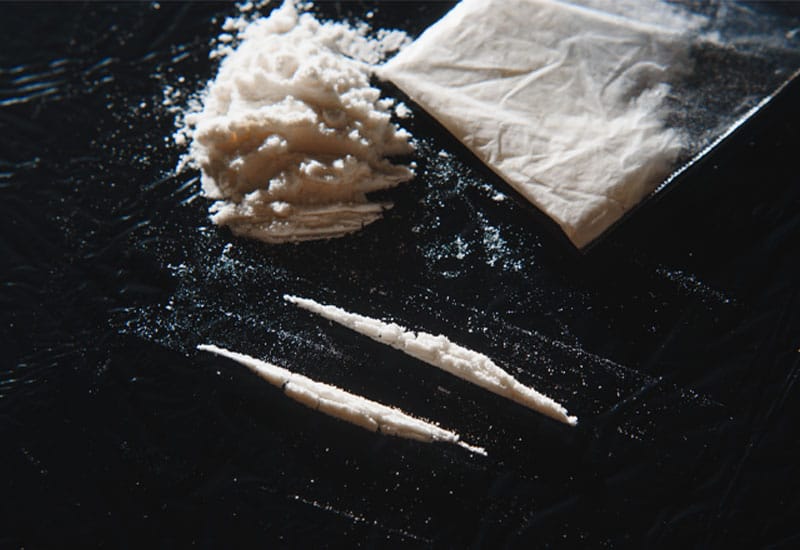
Freebasing refers to a dangerous method of preparing and using drugs that involves chemically converting powdered drugs, typically cocaine, into a smokable form.. This process creates a highly potent and rapidly absorbed drug that produces intense but short-lived effects.
The term became widely recognized during the crack cocaine epidemic of the 1980s, though freebasing differs slightly from crack cocaine in its preparation method. People who freebase cocaine face severe health risks and an extremely high potential for addiction due to the drug’s altered chemical properties.
Cocaine and crack are both powerful brain stimulants, increasing energy levels, enhancing focus, and inducing feelings of euphoria. They work by affecting dopamine, a chemical messenger in the brain. Dopamine is associated with pleasure and motivation.
What Does Freebasing Mean?
Freebasing means chemically converting powder cocaine (cocaine hydrochloride) into a purified base form that can be smoked.[1] This process removes the hydrochloride salt, producing a substance with a lower melting point that delivers the drug directly to the lungs and brain within seconds. This method bypasses the digestive system and upper respiratory membranes entirely, creating much faster and more intense effects than snorting or injecting cocaine powder.
The freebase is typically smoked using glass pipes, makeshift devices, or other heated apparatus that turn the substance into inhalable vapor. The resulting high is powerful but extremely short-lived, usually lasting only five to ten minutes.[2] This brief duration drives a compulsive cycle of repeated use, as people chase the initial rush with dose after dose, rapidly accelerating the path to dependence.
Freebasing cocaine vs crack cocaine differs primarily in the preparation method, though both produce similar smokable forms of cocaine. While crack cocaine uses baking soda and water in its preparation, cocaine freebasing often involves more dangerous solvents like ether or ammonia. Both methods create highly addictive substances that pose severe health risks, but freebasing with volatile solvents carries additional dangers of explosions, fires, and toxic chemical exposure during preparation.
Is Freebasing Used For Drugs Other Than Cocaine?
Freebasing techniques can be applied to drugs other than cocaine, although cocaine remains the most commonly associated substance with this preparation method. People sometimes freebase heroin to create a smokable form, though this practice is less common than other methods of heroin use. Methamphetamine can also undergo similar chemical processes to create a smokable product, though the drug is already commonly smoked in its crystal form without additional chemical conversion.
Some people attempt to freebase prescription opioids like oxycodone or fentanyl to make them smokable, but these modifications are extremely dangerous and often ineffective. The chemical structures of these medications are not always compatible with freebasing processes, and the additives in pharmaceutical formulations can create toxic byproducts when heated. These attempts significantly increase the risk of overdose, poisoning, and other life-threatening complications.
The Risks of Freebasing
Freebasing creates severe immediate and long-term health risks that can result in permanent damage or death:[3]
- Explosion and fire hazards: The volatile solvents used in freebasing can ignite or explode during preparation, causing severe burns, property damage, and death.
- Toxic chemical exposure: Inhaling residual solvents like ether or ammonia can cause poisoning, respiratory system damage, and organ failure.
- Rapid addiction development: The intense, short-lived high creates compulsive use patterns and physical dependence within days or weeks.
- Severe respiratory damage: Smoking freebase cocaine destroys lung tissue, causes chronic cough, and increases the risk of pneumonia and other infections.
- Cardiovascular complications: Heart attacks, strokes, and irregular heart rhythms can occur even with first-time use due to the drug’s intense effects.
- Mental health deterioration: Paranoia, hallucinations, violent behavior, and severe depression commonly develop with continued use.
- Overdose risk: The rapid absorption and high potency make it easy to consume fatal amounts accidentally.
- Legal consequences: Possession and use of freebase cocaine carry severe criminal penalties, including prison time and permanent criminal records.
- Financial devastation: The expensive and compulsive nature of freebasing quickly depletes savings, leads to debt, and destroys financial stability.
What Are the Dangers of Freebasing Cocaine?
Freebasing inflicts severe damage to multiple organ systems due to the toxic chemicals involved in preparation and the intense effects of smoking cocaine. The lungs suffer immediate and long-term harm from inhaling superheated vapors and chemical residues, leading to chronic respiratory problems, pneumonia, and permanent scarring of lung tissue.
The cardiovascular system experiences extreme stress from the drug’s rapid absorption, causing dangerous spikes in heart rate and blood pressure that can trigger heart attacks, strokes, and potentially fatal abnormal heart rhythms.. Brain damage occurs through reduced oxygen flow, seizures, and the direct toxic effects of both cocaine and preparation chemicals on nerve tissue.
The preparation process exposes people to dangerous solvents like ether, ammonia, and other volatile chemicals that cause immediate poisoning symptoms and long-term organ damage. These toxic substances can damage the liver, kidneys, and nervous system even before the drug is consumed. Chronic freebasing leads to severe malnutrition, dramatic weight loss, and compromised immune function that makes people vulnerable to infections and diseases.
Cocaine Abuse and Addiction
Cocaine addiction develops rapidly, regardless of the form used, but freebasing cocaine and smoking crack create particularly severe addiction patterns due to their intense and short-lived euphoric effects.[4]
When people smoke freebase cocaine through a glass pipe, the drug reaches the brain within seconds, producing an immediate high that triggers massive dopamine release. This intense rush lasts only minutes, creating powerful cravings that drive compulsive use and increase the risk of addiction significantly compared to powder cocaine use. The rapid cycle between euphoria and crash leads to dangerous binges where people repeatedly smoke freebase cocaine, dramatically increasing their risk of overdose, heart attack, and other life-threatening complications.
The transition from occasional cocaine use to severe addiction happens more quickly with freebasing than with other methods of ingesting the drug due to the drug’s altered chemical properties and delivery method. The freebase form bypasses the slower absorption rates of cocaine hydrochloride, creating stronger withdrawal symptoms and more intense cravings between uses. Mental health deteriorates rapidly as people experience mood swings, psychosis, paranoia, and depression from the extreme fluctuations in brain chemistry.
Addiction Treatment For Cocaine
Cocaine addiction treatment requires comprehensive medical and psychological support to address both the physical dependence and underlying factors that contribute to substance abuse. Professional treatment typically begins with medically supervised detox to manage withdrawal symptoms safely, as cocaine withdrawal can cause severe depression, intense cravings, and suicidal thoughts that require clinical monitoring.
Treatment centers offer both inpatient and outpatient programs that combine evidence-based therapies like cognitive behavioral therapy (a type of psychotherapy that helps patients change harmful thoughts and behaviors), contingency management (a type of therapeutic positive reinforcement), and group counseling to help people develop coping strategies and address triggers that lead to drug use. Mental health professionals work with patients to treat co-occurring disorders like depression or anxiety that often fuel cocaine addiction.
Recovery from cocaine addiction involves long-term commitment and ongoing support beyond initial treatment programs. Aftercare services include continued therapy sessions, support groups, and regular check-ins with healthcare providers to prevent relapse and maintain well-being throughout the recovery journey. Many people benefit from inpatient intensive treatment programs that provide care in a structured environment away from triggers to use cocaine.
Soba NJ’s Editorial Guidelines
Like any policy, an editorial policy sets forth a standard for all content produced by Soba NJ. By measuring all content, educational materials, and curricula against this standard, we can ensure that all resources are prepared to meet or exceed our high standards for accuracy, relevance, and integrity. We’re committed to upholding this standard by adhering to three primary objectives when creating all resources.