
 (888) 229-7989
 Client Portal
What Does Fentanyl Smell, Look, and Taste Like? Identifying Illicit Drug Use
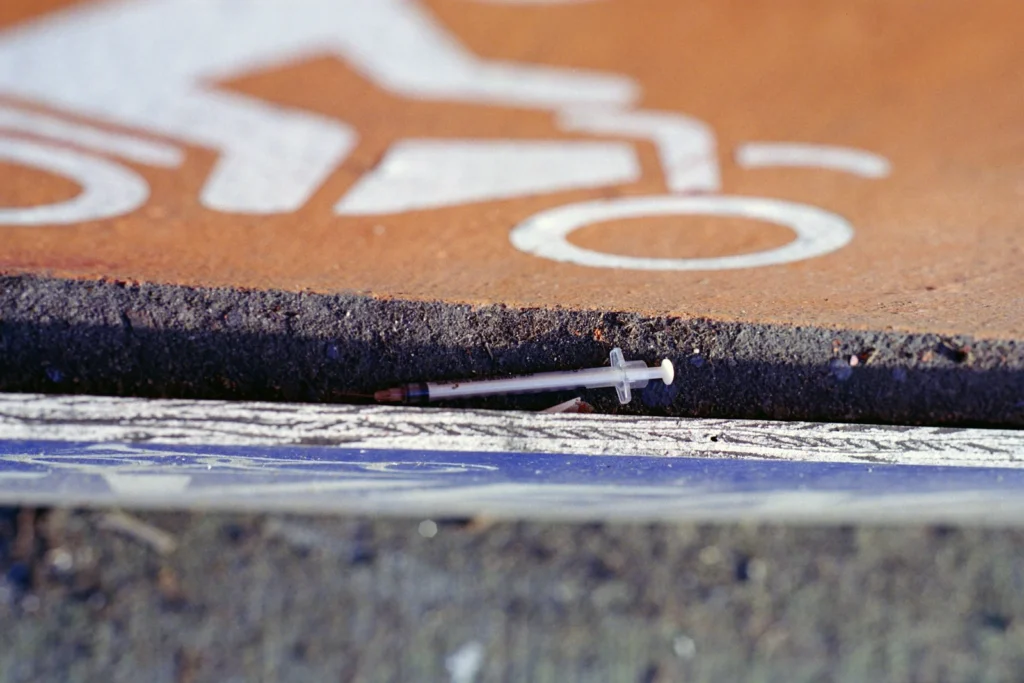


In recent years, illicit fentanyl has become a major concern in the opioid crisis because it can be mixed into other drugs without a person knowing. More than 107,000 people lost their lives to a drug overdose in 2023, with almost 70 percent of those deaths due to opioid overdose.[1]
This is part of what makes fentanyl-laced drugs so dangerous. Fentanyl can be blended into almost any illicit drug a person could take, without their knowledge of the drug’s actual contents. People may be under the impression that they are using one thing while actually ingesting something else entirely.
If you are researching what fentanyl smells like because you are worried that it is contaminating what you are taking, then unfortunately, the answer is that fentanyl has no smell, leaving it essentially unidentifiable through smell, taste, or appearance.
What Does Fentanyl Smell Like?
Fentanyl does not have a reliable smell. According to the CDC, illicit street drugs may include lethal amounts of fentanyl, further stating that a person would not be able to see it, taste it, or smell it.[2] That means that smelling fentanyl is absolutely not a safe indicator, regardless of how strange a substance appears or whether it was obtained from an unknown source.
Some people might assume they can recognize fentanyl through a chemical odor, sweet smell, or the smell of other drugs. But most likely, these scents arise from fillers, contaminants, packaging, smoke, or other substances added to the product. For safety reasons, treat fentanyl as having no scent at all.
However, if a drug has an unusual smell, it could indicate that it contains additional materials or other chemicals besides just the active ingredient. In either case, relying solely on a substance’s smell to determine its contents could result in serious danger.
Does Fentanyl Have a Smell When Smoked, Heated, or Burned?
There are no safe ways to rely on the way fentanyl smells when smoked, heated, or burned.
Street drugs may produce a chemical, plastic, burnt, sweet, or bitter odor when heated; however, none of these odors mean the smell is coming from the fentanyl itself. Odors produced during heating or smoking stem from whatever drugs, binding agents, pill fillers, residue, packaging, or additives make up the substance. Because of this, it is impossible to identify fentanyl by smell during drug use. If someone thinks a substance may contain fentanyl, the best course of action is not to use it.
This is especially true since illicit fentanyl can be added to heroin, cocaine, methamphetamine, counterfeit prescription pills, and virtually every other form of illicitly sold street drugs.[3] Most often, people will not realize that their drug is laced with fentanyl until after they show obvious symptoms of an opioid overdose.
What Does Fentanyl Taste Like?
Fentanyl does not have a reliable taste that can be used to identify it either.
According to the CDC, fentanyl cannot be seen, tasted, or smelled, even in drugs that may contain deadly levels of it.[4] There is no consistent taste that can determine whether fentanyl is present in a substance.
Because taste is not a reliable way to detect fentanyl, tasting an unknown substance can still expose someone to a lethal dose and is highly discouraged.
What Does Fentanyl Look Like?
Fentanyl comes in several different forms.
Pharmaceutical fentanyl may come in patches, lozenges, injectable solutions, liquids, tablets, and other prescribed forms for people under medical supervision with severe pain, chronic pain, or cancer.
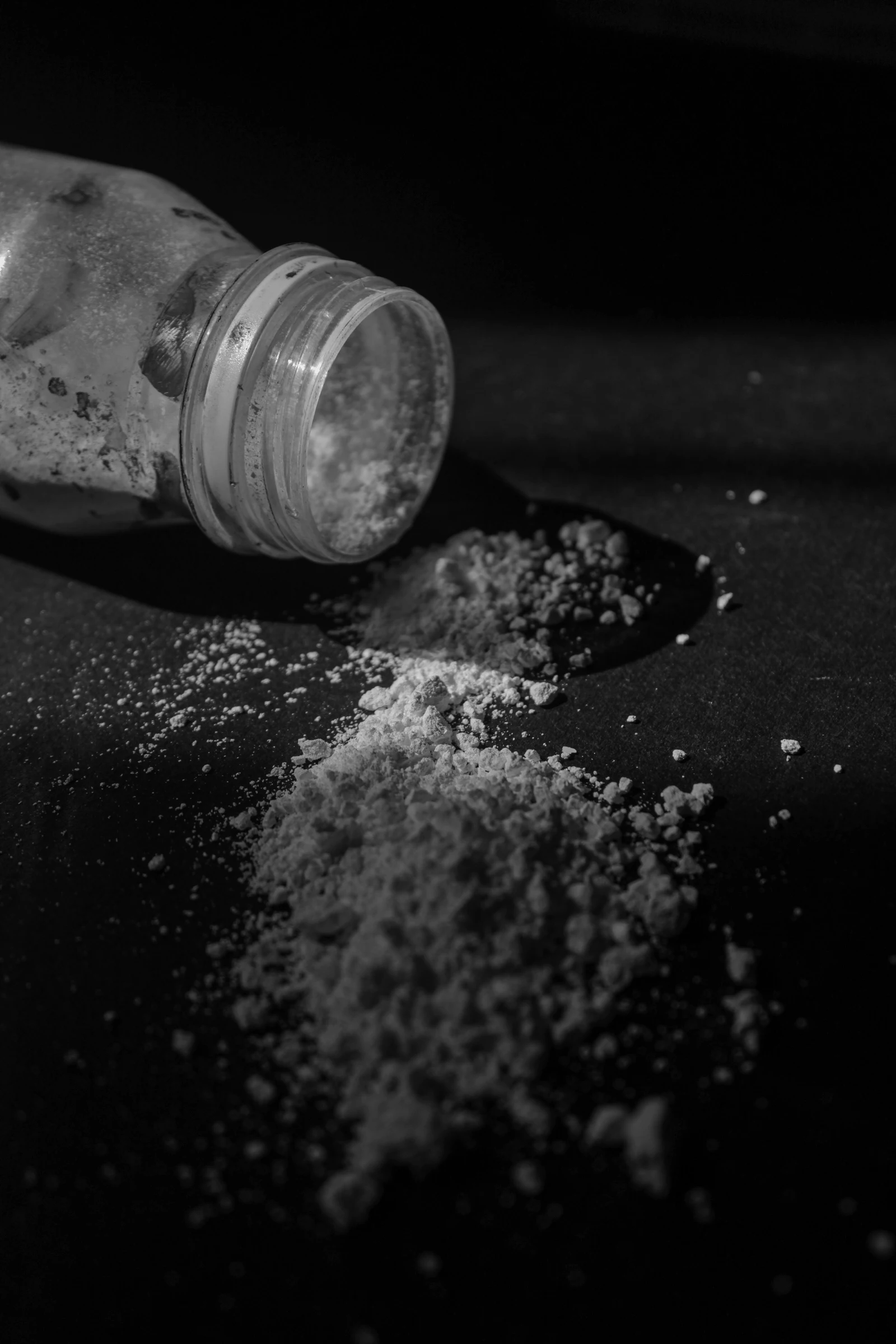
Illicitly manufactured fentanyl may appear as a white or off-white powder, liquid, nasal spray, or tablet. Additionally, fentanyl may be pressed into counterfeit pills that mimic prescription opioids or other medications. DEA analysis has found counterfeit pills containing varying amounts of fentanyl, including doses above a potentially lethal amount.[5]
Because fentanyl can be combined with various illicit substances and manufactured into counterfeit pills, relying solely on appearance to determine whether a substance has fentanyl or whether or not it is safe is not reliable. For example, a counterfeit pill that appears to be a prescription medication and is imprinted with the right design could still contain illicitly manufactured fentanyl.
How to Identify Fentanyl in Illicit Drugs
Sensory detection (smell, taste, and visual inspection) is not reliable for identifying fentanyl. A substance can look just like cocaine, heroin, methamphetamine, or prescription opioids and still contain fentanyl.
Fentanyl test strips are one tool that can help to detect fentanyl in powders, pills, or other substances before use. Fentanyl test strips are very small and designed to test for the presence of fentanyl or fentanyl-related compounds in a drug sample.[6] But while test strips can be effective in reducing risk by identifying the potential presence of fentanyl in a substance, they provide limited information about the potency of the substance and whether additional hazardous substances are in the sample.
The vast majority of fentanyl test strips available commercially have accuracy ratings of 96–100%.[7] However, false positives can still happen due to user error, inadequate sample preparation or dilution, technical limitations of the product, or the sampling method used. These factors limit the reliability of this type of testing. Fentanyl test strips can reduce risk, but they cannot make illegal drug use safe.
Signs a Drug May Be Laced With Fentanyl
While there is no guaranteed way to know whether an illicit drug is contaminated with fentanyl, in some cases, there may be warning signs or red flags that suggest a substance may have it:
- The substance was purchased from an unlicensed pharmacy
- A powder or pill came from an unreliable or unknown supplier
- It looks significantly different from what is normally encountered
- The drug causes stronger sedation than expected
- Someone becomes unusually sleepy, confused, or hard to wake after taking it
- Breathing slows down, becomes shallow or irregular, or stops altogether
These signs may indicate an opioid overdose or fentanyl overdose, especially if the person used street drugs, counterfeit pills, or other illicit drugs.[8] If an overdose is possible, call 911 immediately.
Signs of a Fentanyl Overdose
Fentanyl is extremely potent, so an overdose can develop rapidly into a potentially fatal situation. In addition to causing respiratory depression (dangerously slowed breathing), a fentanyl overdose can also depress the central nervous system, leading to coma. There are many different signs that may indicate a person is experiencing a fentanyl overdose, including:
- Slow, shallow, or stopped breathing
- Choking, gurgling, or snoring sounds
- Blue, gray, or pale skin
- Skin that is cold to the touch
- Pinpoint pupils
- Muscle weakness or a limp body
- Vomiting
- Unconsciousness
- No response to voice or touch
- Coma
If you see signs of a fentanyl or opioid overdose, call 911. If naloxone is available, administer it right away. People experiencing a fentanyl-related overdose may need larger doses of naloxone to reverse the effects, and because opioid toxicity can return once the naloxone wears off, the person should be closely watched.[9]
When Fentanyl Use Becomes Addiction
Fentanyl is extremely addictive, and the likelihood of developing an addiction increases even further when a person takes the drug in ways other than intended or outside medical supervision. Using fentanyl-laced drugs can also create an addiction. Even if the person knows they are taking fentanyl, frequent use creates tolerance and dependency. Eventually, the person can develop opioid use disorder, which results in withdrawal symptoms.
But as addictive as fentanyl is, treatment for fentanyl addiction is available. Treatment options may include detoxification services, therapy, and chronic disease management. Medication-assisted treatment (MAT) is one of several treatment options for opioid use disorder. MAT includes medication to reduce cravings and ease withdrawal symptoms along with counseling and behavioral therapy. There are also various forms of ongoing recovery support. If you or a loved one are having difficulty stopping fentanyl, help is available.
Seek Help for Fentanyl Addiction
There is no single method of detecting fentanyl that provides sufficient information about its presence in a drug. Fentanyl test strips can help, but they are limited. The best course of action to prevent yourself or others from being poisoned by fentanyl-contaminated street drugs is to not take any illicit street drugs.
If you or someone you know has been unable to quit using fentanyl or opioids or has developed a pattern of misuse involving these substances, seeking treatment can help. Resources are available to help people addicted to fentanyl overcome their addiction, prevent future overdoses, and maintain a path toward long-term sobriety.
There is a Better Way to Live. It’s Time to Get the Help You Deserve.
Take the first step in getting your life back. Speak with our admissions team today.
Soba NJ’s Editorial Guidelines
Like any policy, an editorial policy sets forth a standard for all content produced by Soba NJ. By measuring all content, educational materials, and curricula against this standard, we can ensure that all resources are prepared to meet or exceed our high standards for accuracy, relevance, and integrity. We’re committed to upholding this standard by adhering to three primary objectives when creating all resources.