
 (888) 229-7989
  Client Portal
 Is Methocarbamol Addictive? Risks, Safe Use & Alternatives


If you have been given a prescription for methocarbamol after a back injury or car accident, you may be left wondering what you’re taking and if there’s a chance you could become dependent on it.
Methocarbamol is a prescription skeletal-muscle relaxant that’s sold under the brand name Robaxin.[1] Doctors usually prescribe low, divided doses for acute back pain, sprains, strains, whiplash, or tetanus-related muscle rigidity. Since the benefits peak during the first few days, methocarbamol is not usually prescribed for more than 2 or 3 weeks at a time. The point of this short-term use is to reduce pain to levels that allow for physical therapy and gentle stretching, which are the genuine keys to long-term muscle recovery.
How Does Methocarbamol Work?
In order to better understand methocarbamol’s addictive potential, it’s helpful to understand how it works. While typical painkillers target inflammation or pain receptors, methocarbamol acts instead on the central nervous system rather than directly relaxing skeletal muscles.[2]
This slowing down of the central nervous system activity helps to produce muscle relaxation and mild sedation. This means that users only feel a calming fatigue, not a sense of intoxication, and tolerance to the drug develops more slowly, if at all.
Is Methocarbamol Addictive?
Methocarbamol can lead to drowsiness and lightheadedness, which some people may find pleasurable, but it doesn’t trigger any dopamine surge or feeling of euphoria.
This means it doesn’t have the same addiction potential as drugs like benzodiazepines, opioids, or stimulants. Higher doses are more likely to cause discomfort than a high and actual physical dependence is clinically rare.
Because of this, the DEA has not classified methocarbamol as a controlled substance the same way it has with other opioid painkillers.[3]
The Bottom Line: Is Dependence or Withdrawal Possible?
Misusing any depressant by taking more than prescribed or mixing it with alcohol or other opioids is dangerous, regardless of what it is.
Methocarbamol doesn’t trigger dopamine or euphoria, but it can still cause dizziness, blurred vision, and some euphoric sensations at high doses.
Simply put, these characteristics mean that methocarbamol is unlikely to cause addiction when used as directed, but the drug’s sedative profile means it still carries a level of risk when mismanaged or paired with other nervous system depressants.
If someone takes consistently high doses for weeks, abruptly stopping can cause symptoms like headaches, nausea, or rebound muscle spasms, though they are typically mild and short-lived.[4]
A gradual taper or dose spacing often prevents discomfort. However, if you find yourself with persistent cravings, doctor shopping to get more pills, or taking pills for sedation rather than muscle pain relief, this could signal possible misuse and warrant a professional evaluation.
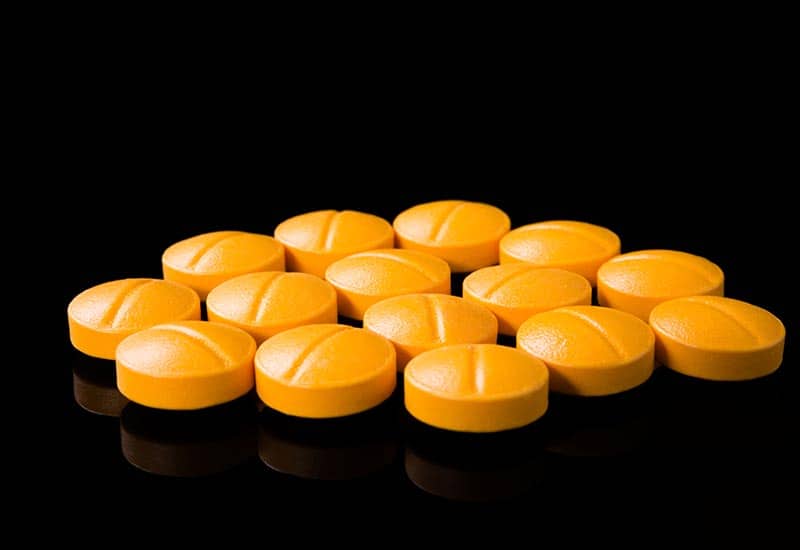
Methocarbamol vs. Other Muscle Relaxants
Methocarbamol is one of several drugs that can be prescribed for muscle spasms, and they differ more than people expect. Each of the below works to relieve pain, but have different sedative properties and carry different risks.
Here’s how some common alternatives compare:
Cyclobenzaprine
Cyclobenzaprine works on brainstem receptors to break the muscle-spasm cycle, but it also has a strong tendency to lead to dry mouth, constipation, and grogginess.
It stays in the body longer than methocarbamol, making next-day drowsiness more likely.[5] Abuse cases are uncommon, but high doses can lead to a mild buzz.
Carisoprodol
Carisoprodol (brand name Soma) converts into meprobamate, a barbiturate-like sedative. This metabolite causes noticeable mood changes, so the drug carries a Schedule IV designation for abuse potential.[6]
Schedule IV substances are those with a low potential for abuse and low risk of dependence, though this doesn’t mean risk is non-existent. Soma users may chase relaxation or euphoria, particularly when combining it with alcohol or opioids. Prescribers generally lean toward methocarbamol or cyclobenzaprine first.
Diazepam and Clonazepam
Though not traditional muscle relaxants, benzodiazepines reduce spasms by calming the central nervous system.[7] They can trigger dependence in just a few weeks, and abrupt cessation causes intense withdrawal symptoms, including extreme anxiety, tremors, and even seizures.
Signs of Misuse, Dependence, and Overdose
The most common red flags are taking more frequent or greater doses than prescribed. Crushing tablets to feel a more substantial effect more quickly is also an indicator of misuse, along with combining pills with alcohol and doctor shopping.
Withdrawal effects from methocarbamol are rare, but still possible after several weeks of high-dose use. The most common withdrawal symptoms include rebound muscle spasms, headache, nausea, mild anxiety, or insomnia within a day or two of stopping. The effects are usually short-lived.[8]
Extreme drowsiness that progresses to unresponsiveness, loss of consciousness, very slow breathing, or seizures should be considered an emergency situation. Call 911 immediately. Overdose can also present with clammy skin, low blood pressure, or a rapid but weak pulse. If methocarbamol has been mixed with opioids, alcohol, or benzodiazepines, tell paramedics so they can give the proper antidotes and breathing support.
How to Take Methocarbamol More Safely
Methocarbamol is safest when it is taken exactly as prescribed and used as one part of a short-term muscle spasm plan. The following tips can help you stay safe:
- Do not raise the dose or take it more often
- Do not combine it with other sedating substances unless your prescriber has specifically told you to do so. Alcohol, opioids, benzodiazepines, sleep medications, and other central nervous system depressants can make drowsiness, dizziness, slowed breathing, and confusion more dangerous.
- Do not drive or operate machinery after using it, especially before you know how the medication affects you.
- Tell your provider about all medications, supplements, and substances you use.
- If you have liver disease, kidney disease, a history of substance misuse, or you are pregnant or breastfeeding, ask your provider whether methocarbamol is still appropriate for you.
Safe use also means having a plan for when the prescription ends. If pain or spasms return quickly, do not keep increasing the medication on your own. Instead, ask about physical therapy, stretching, posture changes, non-opioid pain relief, or follow-up testing to understand why the spasms are continuing.
Common and Serious Side Effects
Most users won’t experience more than one or two of these, and they’ll generally fade as you get used to the medication. However, we’ve listed them in order from most common to least common, so if you are experiencing any of the symptoms past #3, you should seek medical help promptly:
- Drowsiness and fatigue: The most reported issue, affecting up to one-third of users; plan for extra caution with driving or machinery until you know your reaction.
- Dizziness, light-headedness, blurred vision: Often linked to the first few doses; be sure to rise slowly from chairs or bed, and stay hydrated.[9]
- Headache, upset stomach, metallic taste: Typically mild and short-lived; taking tablets with food or water eases discomfort.
- Allergic reactions: Itching, hives, or facial swelling can happen in those sensitive to methocarbamol’s effects.[10] Stop the drug and seek prompt medical advice if swelling or trouble breathing occurs.
- Low blood pressure and fainting: Rare but possible, especially when methocarbamol is combined with alcohol, opioids, or antihypertensives; sit or lie down if you feel faint and inform your provider.
- Liver stress signals: Persistent nausea, right-sided abdominal pain, dark urine, or yellowing skin and eyes suggest jaundice; urgent lab tests are needed to rule out serious injury.
- Severe central nervous system depression or seizures: This is extremely uncommon and usually tied to very high doses or mixing with other depressants. This slows the natural rates of essential functions like heart rate and breathing, and can be dangerous. Call 911 for unresponsiveness, shallow breathing, or convulsions.
Evidence-Based Treatment Alternatives to Stop Muscle Spasms
Short courses of methocarbamol work best when paired with therapies that address the root cause of muscle tension.
Physical therapy tops the list.[11] Targeted stretching and strengthening relax tight muscles and correct posture faults that cause recurring spasms. For acute flares, heat packs improve blood flow while ice calms inflammation.
Over-the-counter anti-inflammatory medicines such as ibuprofen or naproxen can reduce pain and swelling if your stomach and kidneys tolerate them. Some patients find relief from massage, acupuncture, or gentle yoga, all shown in studies to ease musculoskeletal pain and improve range of motion.
A magnesium-rich diet and proper hydration support muscle function, and stress-management practices like paced breathing or mindfulness cut the tension loop.[12]
Asking for Help & Treatment Options for Misuse
If you or someone you care about has been taking methocarbamol in higher amounts or at a higher frequency than what was initially prescribed, it’s time to reach out to a professional. The same applies if it’s being mixed with alcohol or opioids to give it a more potent effect. These are all signs of potentially escalating misuse. Early intervention can keep misuse from escalating into a substance misuse disorder.
The first step should be to have an open, honest talk with a trusted healthcare provider. They should be able to design a taper program to help avoid the rebound spasms and discomfort associated with sudden discontinuation. People with co-occurring opioid use disorder or benzodiazepine use may need to complete a medical detox program, where vital signs and withdrawal symptoms are monitored on a 24-hour basis.
Following detox completion, treatment options can range from inpatient or residential treatment programs that can last 30 days or more, to outpatient programs that may only need one brief therapy visit per week. During treatment, patients learn coping skills and relapse prevention strategies while participating in peer support groups and evidence-based behavioral therapy modules. Family education and counseling sessions can help loved ones set boundaries and offer encouragement without enabling.
Struggling With Misuse?
Even though methocarbamol isn’t classified as a controlled substance or even as particularly addictive, any sedative can become risky if doses start to climb or they’re combined with other substances. When used for a predetermined timeframe and combined with non-medication treatments like physical therapy, heat, stretching, and targeted lifestyle changes, it’s highly effective at reducing spasms so healing can occur.
Stay alert to side effects, and stick to the lowest dose that’s still effective. When your provider schedules check-ins, stick to them, and be honest about how effective it is and any side effects you may be experiencing.
There is a Better Way to Live. It’s Time to Get the Help You Deserve.
Take the first step in getting your life back. Speak with our admissions team today.
Soba NJ’s Editorial Guidelines
Like any policy, an editorial policy sets forth a standard for all content produced by Soba NJ. By measuring all content, educational materials, and curricula against this standard, we can ensure that all resources are prepared to meet or exceed our high standards for accuracy, relevance, and integrity. We’re committed to upholding this standard by adhering to three primary objectives when creating all resources.