
 (888) 229-7989
 Client Portal
How Long Do Drug Test Results Take?


What Are Drug Tests?
Also called drug screenings, drug tests are tests administered for the purpose of detecting drugs in a person’s system. Typically, a specimen is taken from a person’s urine, saliva, blood, or hair and then sent to a lab for clinical testing.
Drugs commonly tested for include:
- Alcohol
- Marijuana
- Cocaine
- Opioids
- Anabolic steroids
- Benzodiazepines
- Amphetamines
- PCP
- Barbiturates
Drug tests may look for the drug itself or for drug metabolites. Metabolites are substances produced when the body breaks down a drug. This is one reason a test may still show evidence of use after the immediate effects of the drug have worn off.
A drug test can show whether certain substances were detected, but it cannot diagnose addiction by itself. Substance use disorder is diagnosed through a clinical evaluation that looks at symptoms, behavior, health concerns, cravings, tolerance, withdrawal, and continued use despite consequences.[1]
How Long Do Drug Test Results Take?
It depends on the type of test as well as the test results. Negative tests are typically available sooner, while positive results take longer to confirm. Generally, test results will come back within one to several days.[2]
Some testing situations move faster than others. A rapid test may provide a preliminary result quickly, while a lab-based test may take longer because the specimen has to be collected, transported, processed, screened, and, when needed, confirmed. If a result is negative, the process is usually more straightforward. If the screening result is positive, unclear, or inconsistent, a more specific confirmation test may be used before the final result is reported.
A longer wait does not always mean the result is positive. Delays can happen because of lab workload, weekends, holidays, chain-of-custody requirements, missing paperwork, review by a medical review officer, or the need to verify a prescription medication.
Types of Drug Tests
When considering how long drug tests take, it’s important to know that there are several different types of drug tests available.
Urine Tests
Urine tests are the most commonly used drug tests. They typically test for five different drugs:
- Amphetamines
- Marijuana
- Cocaine
- PCP
- Opiates
The standard urine test is often referred to as a 5-panel drug test, but 10-panel urine tests may also be used for additional substances. Negative results may be available within one to two days, while positive results may take four to six days to confirm.[3]
Urine testing is commonly used because it is widely available, relatively simple to collect, and useful for detecting many common substances. Depending on the drug, a urine test may detect use that occurred hours, days, or sometimes longer before testing.
Blood Tests
Blood tests can detect drugs that are currently active in the bloodstream. A healthcare professional draws a small blood sample, usually from your arm. These tests have a very short detection window and are often used to determine if someone is under the influence at the time of testing.[4]
Blood tests can detect the following substances:
- THC, or marijuana
- Oxycodone
- Cocaine
- Methadone
- Opioids
- Barbiturates
- Benzodiazepines
- Propoxyphene
- Phencyclidine
- Amphetamines
Blood testing may be used in medical settings, legal situations, or workplace incidents where recent use or current impairment is a concern. Because many substances leave the blood faster than they leave urine or hair, blood tests are usually less useful for detecting older drug use.
Hair Tests
Hair follicle tests can detect drug use for up to 90 days, making them ideal for identifying long-term use.[5] A technician will take a small hair sample from the scalp. Results are available within two to three days for negatives and about a week for confirmed positives.
Substances detected include:
- Methamphetamine
- Ecstasy
- Marijuana
- Cocaine and metabolites
- Codeine
- Morphine
- Oxycodone
- PCP
Hair testing is not usually used to show current impairment. Instead, it may help identify patterns of drug use over a longer period. Results can depend on the amount of hair collected, the type of hair sample, the testing method, and the substances included in the panel.
Saliva Tests
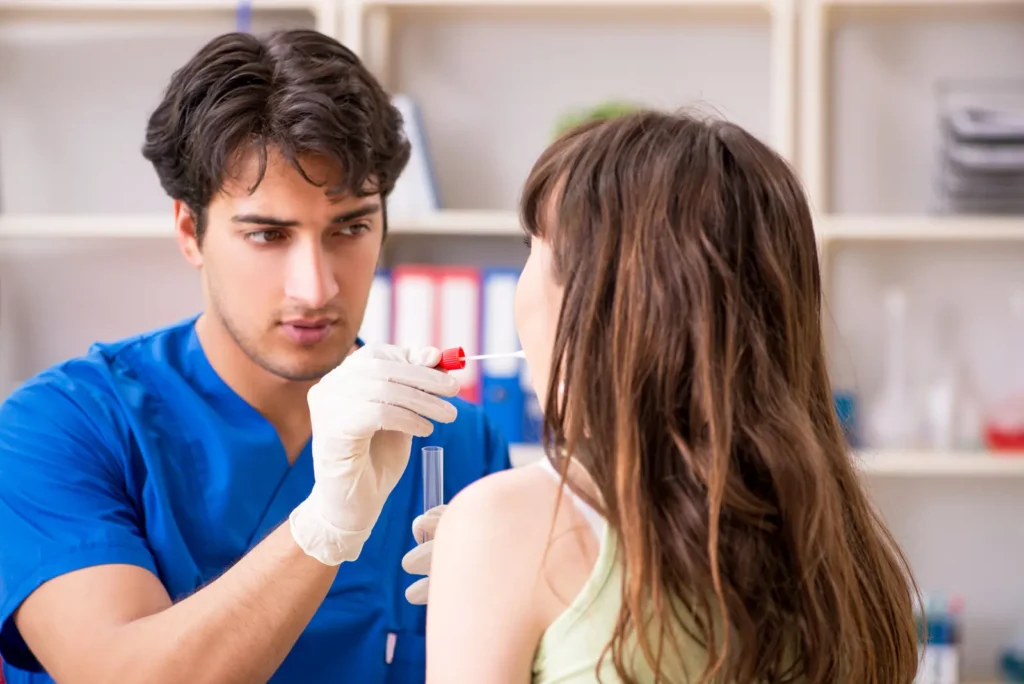
Saliva tests are less common but are becoming more prevalent after approval from the U.S. Department of Health and Human Services for workplace testing. A swab is used to collect oral fluid, and results are typically available within 36 hours for negatives and up to 72 hours for positives.[6]
Saliva testing can be useful when recent use is the main concern. Oral fluid collection is also easier to observe than urine collection, which may reduce some concerns about sample tampering. Like other drug tests, positive or non-negative oral fluid results may require confirmation before being reported as final.
What Are Drug Tests For?
Drug tests serve many purposes, from ensuring workplace safety to monitoring treatment progress. Employers often use them for pre-employment screening. Other reasons for drug testing include:
- Drug rehabilitation: To monitor progress during recovery programs.
- Forensics: As part of legal or criminal investigations.
- Athletics: To detect the use of steroids or performance-enhancing drugs.
Drug testing may also be used in healthcare settings when a provider needs to understand whether a substance could be contributing to symptoms, medication interactions, intoxication, withdrawal, or a medical emergency. In addiction treatment, test results may help clinicians adjust care plans, identify relapse risk, and support accountability.
What Factors Affect Drug Testing Times?
Several factors can affect how long drug test results take to process, such as:
- The type of drug being tested
- Whether results are positive or negative
- The specimen type, such as urine, blood, saliva, or hair
- Lab procedures and confirmation requirements
- Lab location and workload
Other factors may include how quickly the sample is transported, whether the test is done onsite or at an outside lab, whether the sample needs chain-of-custody documentation, and whether a medical review officer needs to review the result. If a person reports prescription medication use, the review process may also take longer while documentation is verified.
Why Positive Results May Take Longer
Positive results can take longer because initial screening tests are not always the final step. A screening test may identify a possible drug or drug metabolite, but a confirmation test may be needed to verify the finding.
Confirmation testing is important because some medications, foods, or testing limitations can affect results. For example, poppy seeds can sometimes produce a false positive for opioid drugs.[7] This is one reason people should tell the testing professional about prescription medications, over-the-counter medicines, supplements, and any relevant medical information before the test.
If the test is for employment, a medical review officer may contact the person to ask about valid prescriptions or other explanations before the final result is released.
Signs of Substance Use Disorder
If you’re worried about failing a drug test, it could indicate a larger problem. Substance use disorders often begin with casual or experimental use that progresses over time. Common signs and symptoms include:
- Strong cravings for a substance
- Using drugs in risky situations
- Relationship problems caused by use
- Neglecting responsibilities
- Increased tolerance and withdrawal symptoms
- Failed attempts to quit
- Spending excessive time acquiring or using drugs
Even mild symptoms should be addressed early, as substance use disorders tend to worsen without treatment.
A failed drug test does not automatically mean someone has a substance use disorder. However, repeated positive tests, fear about being unable to stop, withdrawal symptoms, or continued use despite consequences may be signs that professional support is needed.
Professional Addiction Treatment
If you or someone you know struggles with drug use or fears a failed test, help is available. Professional addiction specialists can provide evidence-based care, including medical detox, inpatient and outpatient treatment, and ongoing recovery support. Addiction is a treatable condition, and recovery begins with reaching out for help today.[8]
Treatment may include therapy, medications when appropriate, peer support, family support, relapse prevention planning, and care for co-occurring mental health concerns. The right level of care depends on the person’s substance use history, withdrawal risk, mental health needs, home environment, and recovery goals.
At SOBA New Jersey, our team helps people understand their treatment options and take the next step toward recovery with support.
There is a Better Way to Live. It’s Time to Get the Help You Deserve.
Take the first step in getting your life back. Speak with our admissions team today.
Soba NJ’s Editorial Guidelines
Like any policy, an editorial policy sets forth a standard for all content produced by Soba NJ. By measuring all content, educational materials, and curricula against this standard, we can ensure that all resources are prepared to meet or exceed our high standards for accuracy, relevance, and integrity. We’re committed to upholding this standard by adhering to three primary objectives when creating all resources.