
 (888) 229-7989
  Client Portal
 Dilated Pupils and Drugs: What Causes Mydriasis and What It May Mean
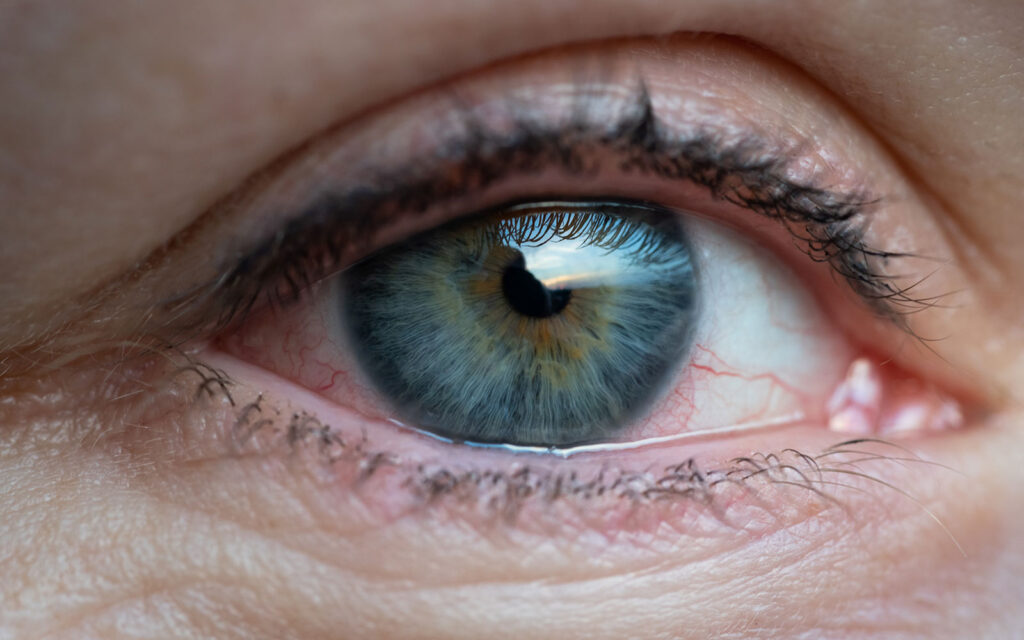


Dilated pupils, medically known as mydriasis, can be the result of a variety of factors, including medications, recreational drugs, medical conditions, and even normal responses to darkness or stress.[1]
Pupil dilation can be associated with certain drug types; however, it cannot be assumed that seeing someone with this condition means that they are on a certain type of drug, as there are numerous situations that can result in this condition.
Understanding what is causing the mydriasis helps you make sense of your own physical reactions or help you support a loved one you’re concerned about. Read on to see what drugs cause dilated pupils, what other conditions can explain it, and what to do if substance use is suspected.
What Drugs Cause Dilated Pupils?
The majority of drugs that cause dilated pupils do so by stimulating the sympathetic nervous system or disrupting the body’s natural ability to contract pupils.[2]
Among the most common are stimulants, hallucinogens, dissociatives, and certain prescription medications.[3] The degree to which a drug produces dilated pupils depends on the type of drug being taken, the amount taken, and how each person responds to it.
Why Do Some Drugs Cause Dilated Pupils?
Pupil size is regulated by the autonomic nervous system, which includes two branches that work against each other. The sympathetic nervous system, commonly referred to as the body’s “fight or flight” mechanism, stimulates pupil dilation partially through the release of norepinephrine, a neurotransmitter also involved in regulating heart rate and blood pressure.[4]
The parasympathetic nervous system is responsible for maintaining constricted pupils through the release of another neurotransmitter called acetylcholine. When a drug disrupts parasympathetic activity, pupils dilate.
This is why certain drugs dilate pupils and others cause them to contract. For instance, opioids typically cause pupil contraction, sometimes referred to as pinpoint pupils, because they act on the nervous system differently than stimulants do.[5] Lighting conditions continue to affect pupil diameter regardless of substance use: pupils will dilate in low light and constrict in bright light, just as they would if no drugs were present.[6]
What Drugs Can Make Your Pupils Bigger?
Stimulants
Substances such as cocaine, methamphetamine, amphetamines (Adderall), and MDMA (ecstasy or molly) are commonly associated with noticeable pupil dilation.
Stimulants elevate levels of neurotransmitters like dopamine and norepinephrine, activating the sympathetic nervous system and resulting in enlarged pupils, frequently accompanied by an increased heart rate.[7]
Hallucinogens
LSD, psilocybin mushrooms, and mescaline are commonly associated with very large pupils.
Many classic hallucinogens produce their effects primarily by activating serotonin 5-HT2A receptors. This serotonergic activity is also associated with mydriasis (pupil dilation), one of the common physical effects of these drugs.[8] Visual distortions from hallucinogens are commonly paired with pupillary dilation that lasts for several hours, similar in length to the effects of the hallucinogen itself.
Dissociative Drugs
Ketamine and PCP can also affect pupil size; however, their primary characteristics include disorientation, sensory distortion, and impaired coordination, alongside any changes in pupil size.[9]
Cannabis
Cannabis can lead to mild or variable pupillary dilation. However, redness of the eyes is usually a much more obvious indicator of cannabis use in someone’s eyes than any change in their pupil size.

Prescription Medications That Can Cause Dilated Pupils
Some prescription and over-the-counter medications can cause dilated pupils as a secondary effect.
Examples include:
- Attention deficit hyperactivity disorder (ADHD) medications
- Selective serotonin reuptake inhibitor (SSRI)
- Antidepressants
- Anticholinergic medications
- Decongestants
- Antihistaminese
- Eye dilation drops (mydriatic agents) used during eye exams.
Drugs that make your pupils bigger aren’t always something bad. Medication-induced mydriasis is often a normal, expected side effect and isn’t dangerous, as long as the medication is taken according to prescribing instructions.
Can Dilated Pupils Alone Indicate Drug Use?
No. Pupil size is only one piece of evidence, and drug use can’t be diagnosed based solely on how wide someone’s pupils are.
It’s only one factor, and generally a doctor will look at many other things when trying to determine whether someone has used drugs, such as heart rate, behavior, speech, and coordination, as well as their overall medical history. While pupil size is better than nothing as a tool to help doctors form a picture, a complete examination gives them a much clearer understanding than pupil size alone.
Other Causes of Dilated Pupils
There are many reasons a person’s pupils could become dilated, and using drugs is just one possibility. Other common causes include:
- Eye exams that use mydriatic eye drops
- Emotional stress
- Low-light environments
- Migraines
- Certain neurological conditions
- Eye or head injuries
Because so many things can affect pupil size, if your pupils remain dilated for an extended period of time and you aren’t sure why, it’s worth mentioning to your doctor.
How Long Do Drug-Induced Dilated Pupils Last?
If your eyes are dilated due to drug use, the duration you can expect it to last depends heavily on the specific drug involved, the dose taken, and individual metabolism.
Some medications and drugs cause pupils to return to normal within a few hours, while others, particularly certain hallucinogens, may cause dilation that lasts considerably longer.
Persistent pupil dilation after substance use that doesn’t resolve within an expected timeframe, or that happens without a clear cause, should be evaluated by a healthcare provider.
Large Pupils and Drug Use: Other Signs to Watch For
In most cases, large pupils from drug use come with other signs or symptoms of having taken a drug. However, these accompanying symptoms depend greatly on the specific group of drugs the person took.
Common signs and symptoms that accompany dilated pupils include:
- Rapid heart rate
- Sweating
- Agitation
- Confusion
- Hallucinations
- Slurred speech
- Poor coordination
- Sleep disturbances
Use of stimulants generally creates rapid heartbeat and agitation. Hallucinogen use usually leads to confusion or hallucinations. Knowing these differences can help identify the likely drug class; however, the best way to confirm is by consulting with a healthcare provider.
When Are Dilated Pupils a Medical Emergency?
Dilated pupils along with the following signs and symptoms warrant immediate medical attention.
- Sudden onset of severe headache
- Vision changes
- Confusion
- Loss of consciousness
- Recent head trauma
- One pupil noticeably larger than the other
- Difficulty talking or walking
These combinations suggest a possible brain injury or another serious medical problem, rather than simple drug use, and require immediate medical evaluation.[10]
Health Risks Associated With Drugs That Cause Dilated Pupils
A number of the drugs associated with causing pupil dilation also carry significant health risks unrelated to the eyes themselves.
Both stimulants and hallucinogens can cause increased heart rate and blood pressure, impaired judgment, and an increased likelihood of overdose.[11] Stimulant use also poses a risk of heat-related illness, since these drugs can disrupt the body’s ability to cool itself down.[12] Chronic use of either category of substances can also impact mental health, cause heightened sensitivity to light, and ultimately contribute to the development of a substance use disorder.
When Substance Use May Require Professional Help
If you find yourself repeatedly using stimulants or hallucinogens, unable to stop using, experiencing cravings for continued use, engaging in risky activities, or exhibiting other characteristics that define dependency, seeking out professional assistance may be warranted.
Available treatment options for substance use disorders exist across a spectrum, from outpatient therapy to more intensive inpatient or detox programs, depending on the substances used and the extent of support required.
Concerned About Drug Use or Unexplained Symptoms?
There are many reasons a person’s eyes may be dilated, including taking prescription medication, using illegal substances recreationally, or having an underlying medical condition.
Our staff at SOBA New Jersey offers both assessment and evidence-based treatment for any drug-related issue you or your loved one may be experiencing.
If you are concerned about your or a loved one’s possible substance use problem, reach out today. Our admissions team is available to answer your questions and help you find the right path forward.
There is a Better Way to Live. It’s Time to Get the Help You Deserve.
Take the first step in getting your life back. Speak with our admissions team today.
Soba NJ’s Editorial Guidelines
Like any policy, an editorial policy sets forth a standard for all content produced by Soba NJ. By measuring all content, educational materials, and curricula against this standard, we can ensure that all resources are prepared to meet or exceed our high standards for accuracy, relevance, and integrity. We’re committed to upholding this standard by adhering to three primary objectives when creating all resources.