
 (888) 229-7989
 Client Portal

Accutane and Alcohol: Is It Safe To Take Them Together?


Table of Contents


Cialis is the brand name for the generic drug tadalafil. Like many other prescription drugs, Cialis is not always compatible with alcohol.[1] There are some examples of prescription medications that cannot be used with alcohol, such as certain sedatives and antidepressants. The FDA-approved prescribing information for Cialis advises against heavy drinking. There’s a reason for that.
Both Cialis and Alcohol Reduce Blood Pressure
Cialis (tadalafil) is part of a family of medications called phosphodiesterase type 5 inhibitors (PDE5). PDE5s increase blood flow to the penis via relaxation of the smooth muscles in the blood vessel walls.[2] Vasodilation is another term for relaxing the blood vessel walls to allow for better blood flow.
Alcohol is also a vasodilator, so when someone drinks alcohol while taking Tadalafil, both are working on their blood vessels in a similar fashion. When that occurs, the blood pressure-reducing effects of both drugs combine to produce a larger decrease in blood pressure than either drug would produce individually.
What Does Vasodilation Mean in Terms of the Interaction?
As mentioned earlier, vasodilation is essentially how PDE5s function to improve blood flow to the penis. The concern lies in the cumulative effects on blood vessels from consuming alcohol along with a PDE5 inhibitor.
Although vasodilation itself is not the issue, it is the primary way Cialis achieves its intended purpose. Problems arise when two vasodilating agents enter a person’s bloodstream simultaneously, producing a synergistic effect on blood vessels that exceeds what either agent would cause on its own.
Not everybody who combines Cialis with alcohol will experience adverse reactions. Some people will consume moderate amounts of alcohol and take Cialis without experiencing significant side effects. Other people, particularly those with pre-existing cardiovascular conditions (e.g., heart disease) or hypertension or low blood pressure, are more likely to experience sudden reductions in blood pressure or other adverse reactions associated with Cialis.
Get a Confidential Callback Now
To learn more about our New Jersey drug and alcohol treatment, contact us online or dial (888) 229-7989. We are available 24/7 to assist you. If you would like an immediate callback, fill out the form here.
Will Drinking Stop Cialis From Working?
This question arises frequently and has two aspects to the response. First, pharmacologically speaking, no. The prescribing information approved by the U.S. Food and Drug Administration states that neither Tadalafil nor alcohol affected the other’s concentration levels in the bloodstream.[3]
Hence, in this limited sense, alcohol does not interfere with Cialis’ functioning at the biochemical level. Second, although alcohol does not chemically interact with Cialis and does not inhibit its functioning, alcohol can still impede a person’s ability to obtain or sustain an erection regardless of whether Cialis is functioning properly at the biochemical level. Heavy drinking can prevent many people from achieving an erection even when they are receiving effective treatment for erectile dysfunction (ED) with a PDE5 inhibitor like Tadalafil.
The National Institute of Diabetes and Digestive and Kidney Diseases identifies excessive drinking as a lifestyle variable that contributes to erectile dysfunction as a distinct entity from any potential contribution due to medication.[4]
Alcohol does not counteract Tadalafil chemically. It merely impedes the desired outcome, which can appear virtually identical to chemical counteraction.
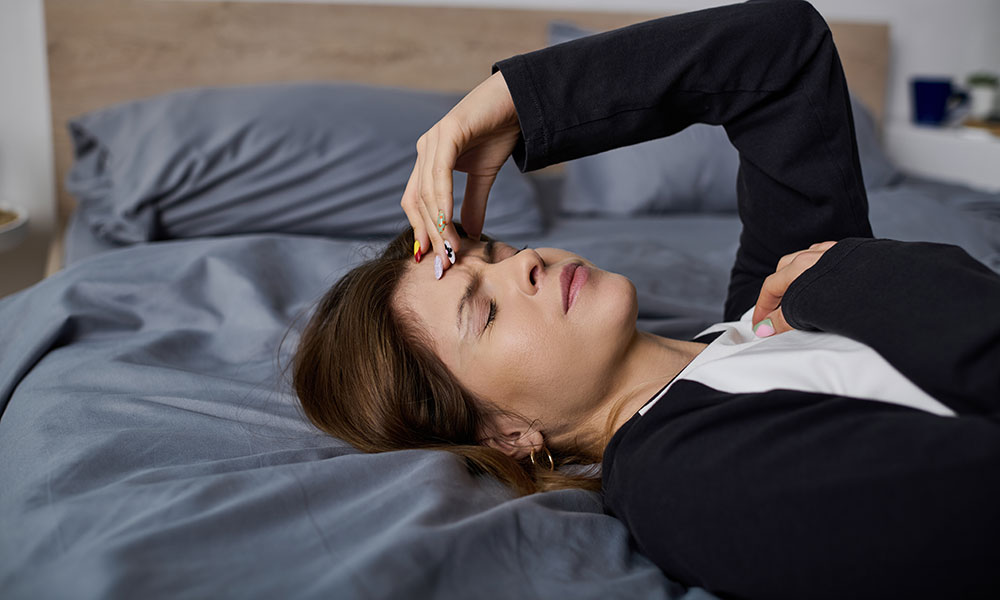
What Happens if I Mix Cialis and Alcohol?
Potential side effects that may occur when combining Cialis and alcohol include:[5]
- Feeling dizzy or lightheaded
- A headache
- Flushing
- Rapid heartbeat
- Low blood pressure
- Faintness or passing out
All of these possible side effects are consistent with what is found in the prescribing information for Cialis, as well as in patient drug information materials provided by the manufacturers of Cialis. Mild forms of these side effects are extremely prevalent, whereas severe side effects are relatively rare. As noted previously, the risk of side effects increases proportionally to the amount of alcohol consumed and not based on whether one consumes any alcohol whatsoever.
Why Excessive Drinking May Cause Worsening Erectile Dysfunction
In addition to inhibiting a person’s ability to attain an erection when taken concomitantly with Cialis, excessive drinking impairs sexual function per se and apart from any influence exerted by any ED medication.[6] The impact of alcohol on a person’s nervous system, blood circulation, and hormonal balance can render attaining erections significantly more difficult regardless of whether they receive treatment for erectile dysfunction with a PDE5 inhibitor.
The National Institute of Diabetes and Digestive and Kidney Diseases indicates that excessive drinking is a risk factor for sexual dysfunction in general, including erectile dysfunction specifically. Individuals suffering from heart-related problems or other medical issues pose a heightened risk of complications stemming from combining excessive drinking with ED medication.
How Much Alcohol Can I Consume While Taking Cialis?
While there exists no singular measure applicable to all persons, the Cialis prescribing information recommends avoiding substantial alcohol intake, citing approximately five drinks as an example.[7] The likelihood of undesirable consequences decreases as total alcohol intake decreases, but risk never completely disappears, particularly for individuals possessing pre-existing health vulnerabilities.
A more productive approach to assessing potential risks involves considering three interrelated elements: total quantity of alcohol consumed; an individual’s inherent cardiovascular risk; total quantity of medications being taken; and how an individual metabolizes Tadalafil. An otherwise healthy person taking an infrequent low dose may safely consume one or two drinks without noticing any ill effects. On the other hand, an individual exhibiting hypertension or experiencing previous episodes of fainting presents a distinctly different situation where considerations differ substantially from those utilized for healthy individuals.
A standard drink and a generous pour at a bar are two distinct concepts and can greatly vary depending on serving sizes. One-and-one-half standard drinks contained within a single glass of wine equate to twice that amount when measured in terms of alcohol content, rendering the equation more complex than initially presumed.
Who Should Exercise Caution Regarding Mixing Cialis and Alcohol?
Individuals belonging to certain categories require additional consideration relative to combining Cialis and alcohol, specifically:[8]
- Low blood pressure or histories of fainting
- Heart-related problems (e.g., myocardial infarction)
- Prescribed alpha blockers for BPH
- Consuming any other prescription medication or dietary supplement affecting blood pressure
- Dizziness or lightheadedness following ingestion of Cialis (with or without alcohol)
- Regularly engaging in excessive drinking
As stated earlier, Cialis contains several potential drug-drug interactions in addition to its interactions with alcohol. Nitrates represent the most serious example of these interactions; taking nitrates with any PDE5 inhibitor (i.e., Cialis, Viagra [sildenafil], Levitra [vardenafil]) creates an unacceptable risk of precipitous declines in blood pressure.[9]
This article addresses interactions involving only alcohol; nonetheless, patients taking multiple medications should consult their physician or pharmacist concerning the complete scope of their medication regimen.
Under Which Circumstances Would You Seek Medical Attention?
If an individual experiences severe dizziness, syncope (fainting), angina (chest pain), or exhibits other serious signs and symptoms immediately subsequent to consuming alcohol and ingesting Cialis, seek immediate medical attention. Do not wait for symptoms to resolve themselves; do not presume that symptoms will subside on their own. If chest pain appears coupled with dizziness, treat this situation as an emergency.
Additionally, as noted previously, Cialis carries an established warning regarding priapism (an erection persisting longer than 4 hours) necessitating immediate medical intervention to mitigate permanent damage to penile tissues.[10] Acute vision loss or acute hearing loss are both indications requiring emergency medical care; although these conditions are typically unrelated to alcohol consumption per se, they can also occur secondary to PDE5 inhibitor usage independent of ethanol consumption.
Key Takeaways Regarding Cialis and Alcohol
While in many circumstances it is acceptable to drink while taking Cialis, heavy drinking should be avoided whenever possible. The combination of Tadalafil (the active ingredient in Cialis) and alcohol produces additive vasodilatory effects leading to decreased systemic blood pressure. Ethanol does not directly alter plasma Tadalafil levels, but excessive ethanol consumption can negatively affect sexual function and performance in people taking PDE5 inhibitors (such as Tadalafil) for treating erectile dysfunction (ED).
Sexual dysfunctions (including ED) typically have both physiological and psychological underpinnings, and ethanol use may negatively impact either or both variables.[11] Individuals with cardiovascular disease, hypertension, or low blood pressure, or who wish to discuss potential health implications, should speak with their healthcare providers and consider comprehensive treatment options.
Begin Your Journey
The help you need is just a step away. Contact us today to learn more about our treatment options.
Are You Struggling with Alcohol?
Your well-being matters more than anything else. If you’re struggling with ongoing alcohol use, Soba NJ’s alcohol rehab is here to support you every step of the way. With our compassionate guidance and personalized approach, you can start your journey toward sobriety and rediscover a life filled with clarity, joy, and fulfillment.
Don’t let alcohol hold you or a loved one back any longer. Take the courageous step forward and connect with Soba NJ today to start your transformational journey towards a healthier, happier you.
Frequently Asked Questions About Mixing Cialis and Alcohol
What’s the waiting period between taking Cialis and drinking?
Unfortunately, no clear-cut, universally applicable waiting period exists. As discussed earlier, Tadalafil possesses a relatively prolonged half-life compared with other ED medications, often exceeding 24 hours, which suggests that simply allowing sufficient time to elapse before drinking may not adequately address the extent to which both drugs coexist in the system.
Is there a safe amount of alcohol to consume after taking Cialis if I have high blood pressure or heart disease?
Generally, this combination poses greater risk for individuals with either condition. Blood pressure medications for hypertension or heart-related problems combined with the ethanol-induced decrease in systemic blood pressure create additive effects that increase the risk of rapid decreases in systemic blood pressure or syncope (fainting). Individuals falling into this category should inquire directly with their healthcare providers rather than assuming moderate drinking poses little-to-no risk.
Does the type of alcoholic beverage vs. quantity still matter?
Quantity is far more important than type. Regardless of type (e.g., glass of wine, beer, shot of liquor), volume determines the degree to which systemic ethanol levels rise. Cautionary language in prescribing information reflects total quantity of ethanol consumed rather than any specific beverage type.
Can I take Cialis the morning after consuming large amounts of alcohol?
Although direct interaction risks diminish once ethanol clears the system, residual hangover-related dehydration and continued vasodilatory effects on systemic blood pressure may continue to pose challenges. If someone continues feeling poorly post-excess drinking (hangover), it may be prudent to delay use until post-hangover recovery has occurred.
There Is A Better Way To Live. It’s Time To Get The Help You Deserve.
Take the first step in getting your life back. Speak with our admissions team today.
Sources
[1] Kim, J. N., Oh, J. J., Park, D. S., Hong, Y. K., & Yu, Y. D. (2019). Influence of alcohol on phosphodiesterase 5 inhibitors use in middle- to old-aged men: A comparative study of adverse events. Sexual Medicine, 7(4), 425-432. https://pmc.ncbi.nlm.nih.gov/articles/PMC6963111/
[2][8] Coward, R. M., & Carson, C. C. (2008). Tadalafil in the treatment of erectile dysfunction. Therapeutics and Clinical Risk Management, 4(6), 1315-1330. https://pmc.ncbi.nlm.nih.gov/articles/PMC2643112/
[3][5][7][9][10] U.S. Food and Drug Administration. (2006). Cialis (tadalafil) tablets: Prescribing information. https://www.accessdata.fda.gov/drugsatfda_docs/label/2006/021368s008lbl.pdf
[4] National Institute of Diabetes and Digestive and Kidney Diseases. (2024). Definition & facts for erectile dysfunction. National Institutes of Health. https://www.niddk.nih.gov/health-information/urologic-diseases/erectile-dysfunction/definition-facts
[6] Sivaratnam, L., Selimin, D. S., Abd Ghani, S. R., et al. (2021). Behavior-related erectile dysfunction: A systematic review and meta-analysis. The Journal of Sexual Medicine, 18, 121-143. https://pubmed.ncbi.nlm.nih.gov/33223424/
[11] Allen, M. S., & Walter, E. E. (2018). Health-related lifestyle factors and sexual dysfunction: A meta-analysis of population-based research. The Journal of Sexual Medicine, 15(4), 458-475. https://pubmed.ncbi.nlm.nih.gov/29523476/