
 (888) 229-7989
 Client Portal
What Does Meth Smell and Look Like? Helpful Info You Should Know


Meth is not always easy to recognize, especially if you have never seen it before.
But in some cases, the smell can be one of the first warning signs that something is wrong.
People often describe meth production as having a harsh chemical odor, while smoked meth may smell different and less intense. If you are worried about a strange smell, suspicious activity, or possible meth use in your home or neighborhood, knowing what to look for can help you respond safely and take the next step.
What Does Meth Smell Like?
Meth has a strong chemical odor when it’s being produced. People disagree about what exactly the odor is. Some describe it as similar to the smell of cat urine or rotten eggs. Others report it smelling more like paint thinner, gasoline, or nail polish remover. Meth smells different before being smoked. This smell is sweeter and less potent.
What Does Meth Look Like?
Methamphetamine comes in many different physical forms, which can make it very hard to recognize by appearance alone.
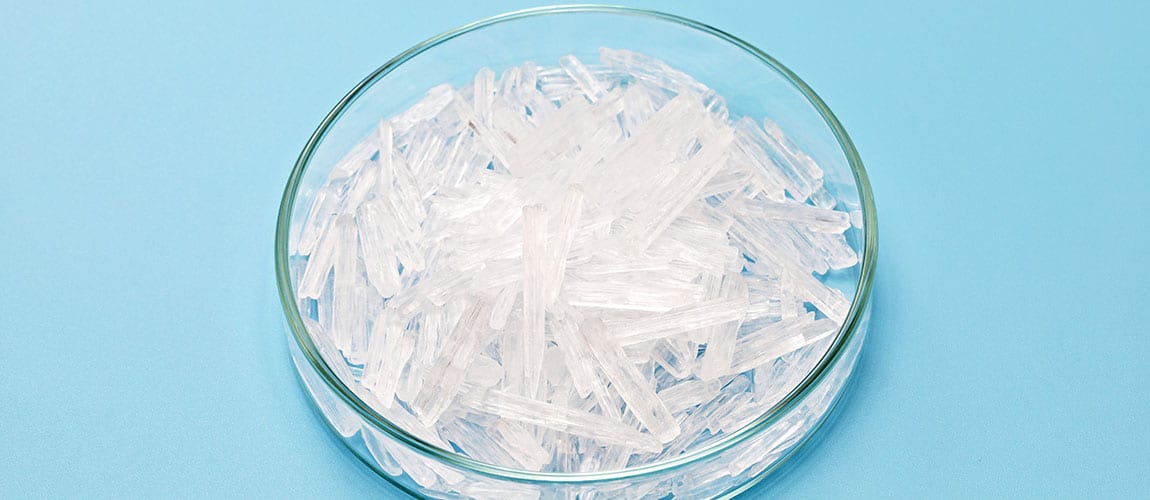
Crystal meth appears as either broken glass fragments or bluish-white rock-like pieces of various sizes.[1] This is why this type of meth is often referred to as “ice,” “glass,” or “crystal.”
Meth also comes in the form of white powder or in pills.[2] The exact appearance depends on how the product was made, what it was mixed with, and whether it was crushed, packaged, or otherwise prepared for use. Since meth could easily be mistaken for another substance, avoid touching, smelling, or handling any object that you suspect might be methamphetamine.
Get a Confidential Callback Now
To learn more about our treatment center, contact us online or dial (888) 229-7989. We are available 24/7 to assist you. If you would like an immediate callback, fill out the form below.
The Smell of Meth Production
The smell of meth when it’s being produced is often associated with strong chemical odors. People describe the smell differently. Some people describe the scent as similar to cat urine or rotten eggs, while others may detect the scent of paint thinner or cleaning products. Some of the other ways the smell of meth is described include: [3]
- Burning plastic or burnt plastic
- Glass cleaner
- Nail polish remover/acetone
- Fuel or gasoline
- Hospital smell
- Vinegary or sour smell
- Skunk smell
- Ammonia
Why Does Meth Smell Like Chemicals?
Some people say the smell of meth while it’s being smoked is almost sweet, but this is a sharp contrast from the strong smell of toxic chemicals emitted when meth is being produced. Various chemicals and solvents are used in the production of meth, and each of these has a different smell. When mixed, chemical reactions occur, which can produce highly potent odors.
Types of Chemicals Used in Meth Production
There is no one “recipe” for making meth. A variety of chemicals may be involved in meth production, and it could depend on what chemicals and substances are readily available. Here are some of the chemicals commonly used in manufacturing crystal meth: [4]
- Ether
- Ephedrine
- Muriatic acid
- Sodium hydroxide
- Sulfuric acid (i.e., drain cleaner)
- Toluene (i.e., brake cleaner)
- Iodine
- Isopropyl alcohol
- Hydrogen peroxide
- Lithium
- Hydrochloric acid
- Red phosphorous
- Anhydrous ammonia
What Does Meth Paraphernalia Look Like?
Meth paraphernalia can vary depending on how the drug is used. Some common items associated with meth use include:
- Glass pipes
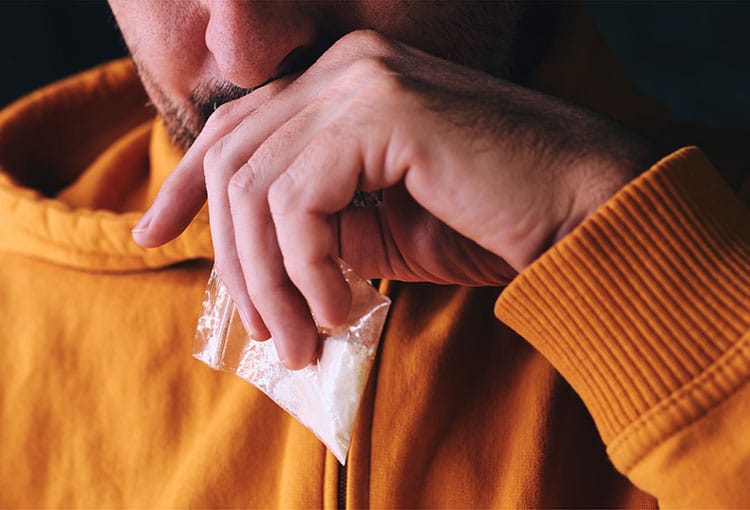
- Small plastic bags
- Burned aluminum foil
- Straws
- Syringes
- Lighters
- Torch lighters
- Small mirrors
- Rolled paper or dollar bills
- Items used to heat or inhale a substance
Having one item listed above does not necessarily mean that someone is using methamphetamine. However, if you see suspicious items combined with chemical smells, odd behavior, unexplained weight loss, paranoia, or other signs of drug use, it may be time to seek help or contact local authorities if there is an immediate safety concern.
How to Identify a Meth House
A meth house is more than just a neighborhood nuisance; it represents a real danger to the public. Sometimes, you can identify a meth house or meth lab by the chemical smell coming from the building. There may be other signs of a meth lab to look for, including:
- The presence of large quantities of cold medicine: An ingredient found in many over-the-counter cold medications, known as pseudoephedrine, is often the main ingredient used during the meth manufacturing process.
- Large amounts of trash: Meth production typically results in a large quantity of trash. Since many of the byproducts of making meth are considered illegal or suspicious, trash around the lab will typically be burned or hauled away as opposed to being placed in a standard receptacle.
- Unusual smells are coming from the house
- Covered windows: Meth cooks might try to hide what’s happening inside by hanging sheets or putting tin foil in the windows.
- The presence of security cameras
- The people who live in the house may exhibit unusual behavior, including paranoia and hypervigilance. They may seem secretive or reclusive in some cases.
What Does a Meth Lab Look Like?
While most labs have the tools required to manufacture methamphetamine, they don’t typically resemble professional laboratories.
Meth labs can be located in a variety of places, including houses, apartments, garages, motel rooms, sheds, vehicles, or other hidden spaces. While each lab may contain slightly different equipment and supplies, most labs will have items such as bottles containing chemicals, tubes and hoses connecting equipment, glassware, pressurized cylinders, or propane tanks.[5]
Other potential indicators of a meth lab may include strong chemical odors coming from the location, covered windows, excessive trash outside, stained coffee filters, empty cold medicine packaging, lithium batteries, drain cleaner, fuel containers, or people coming and going at unusual hours.[6] If you think someone has established a meth lab near your home or business, do not touch, smell, open, move, or investigate any suspicious containers. Immediately leave the location and call law enforcement or emergency services.
Begin Your Journey
The team at Soba NJ understands that it can be overwhelming to reach out for help. If you are not ready to make a phone call, feel free to text with one of our caring treatment coordinators right now.
Explore Meth Treatment Options
If you or a loved one is experiencing methamphetamine addiction, it’s important to know you’re not alone. It is possible to detox from meth and recover from substance use disorder. Explore your treatment options and don’t be afraid to ask for help. While there are currently no FDA-approved medications to treat meth addiction, many people successfully quit using meth with behavioral therapy. [7]
Frequently Asked Questions About What Meth Smells Like
Some people claim they can smell meth on a person. Those who do describe it as a sickly sweet smell.
Meth smells different when it’s smoked versus when it’s cooking. When it’s cooking, meth has a powerful smell of chemicals. Before smoking, it may smell almost sweet.
There could be many different signs that a residence or the people who live there are involved in drugs. Some signs include having many visitors, visitors at odd hours, or even smells emanating from the house itself. If you suspect a house near you may be a drug house, you can contact law enforcement and report your concerns. You may have the option to remain anonymous if you wish.
A meth lab could look like an ordinary kitchen, but it depends on how well the meth cook cleans up after themselves. Potential signs could include drug paraphernalia, empty bottles of cough syrup, and equipment like whisks and buckets.
From the outside, a meth house might look like any other house. Sometimes, windows are covered, and trash is routinely burned. There could be high traffic coming to and from the house at all hours of the day and night.
We’re here when you’re ready
Opioid addiction can be overwhelming, but you do not have to navigate it alone. At SOBA New Jersey, we can help you start with safe, supported detox if needed, then build a treatment plan that fits your life and mental health needs. Reach out today to talk with our team, ask questions, and figure out a clear next step forward.
[1] [2] U.S. Drug Enforcement Administration. (n.d.). Methamphetamine. https://www.dea.gov/factsheets/methamphetamine
[3] North Carolina State Bureau of Investigation. (n.d.). Signs of a meth lab. https://www.ncsbi.gov/Divisions/Special-Services-Unit/Clandestine-Labs/Signs-of-A-Meth-Lab
[4] [6] Dubuque County, Iowa. (n.d.). Spotting a meth lab. https://dubuquecountyiowa.gov/499/Spotting-a-Meth-Lab
[5] Iowa Department of Public Safety. (n.d.). Clandestine labs. https://dps.iowa.gov/divisions-iowa-department-public-safety/iowa-division-narcotics-enforcement/clandestine-labs
[7] Substance Abuse and Mental Health Services Administration. (2021). Treatment for stimulant use disorders. In Treatment Improvement Protocol (TIP) Series, No. 33. National Center for Biotechnology Information. https://www.ncbi.nlm.nih.gov/books/NBK576540/