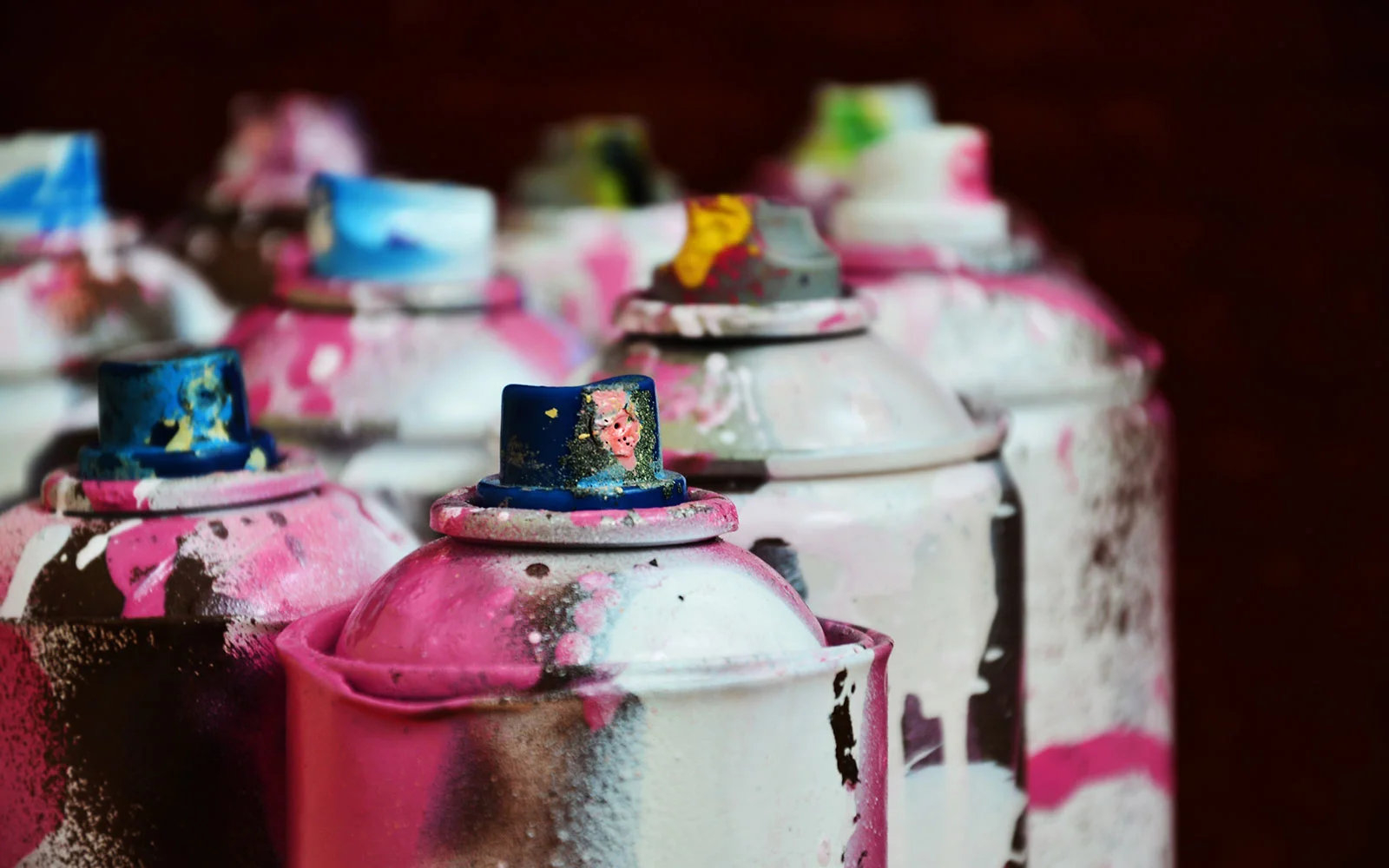
Huffing is simply another name for inhaling vapors from chemicals to get high.[1] Some people also use terms such as sniffing or bagging to describe inhalant use. No method of inhaling chemical vapors is safe.
Most people don’t know how bad the dangers of huffing really are. Some people assume household products such as paint thinner and spray paint are safer than illicit drugs because they are easy to buy, but these products can be highly toxic when inhaled.
Key Points
Huffing means intentionally inhaling chemical vapors from products such as spray paint, aerosols, solvents, or gases to feel intoxicated.
“Paint huffers” is a slang term for people who inhale fumes from spray paint or paint-related products, which can expose the brain, lungs, heart, and nervous system to toxic chemicals.
Inhalant abuse can cause slurred speech, drowsiness, poor coordination, confusion, nausea, chemical odors on the breath or body, and sudden medical emergencies.
Inhaling chemical vapors can be life-threatening, even during first-time use.
You'll probably need addiction treatment and some kind of therapy (like cognitive behavioral therapy (CBT)) to treat your inhalant use disorder.
Common Products Used to “Huff”
Some things people may huff include:
Aerosols
Solvents
Gases
Cleaning products
Gasoline
Butane
Propane
Hair spray
Air fresheners
Nitrous oxide
Whipped cream chargers (also known as whippits)
Certain nitrites
All of these things can be abused by being inhaled. According to the Drug Enforcement Administration (DEA), there are over 1000 products that are considered hazardous when inhaled. [2] Some of these products are listed above.
Short-Term Effects of Huffing
The effects of inhaling can occur instantly since the vapor goes into your bloodstream and brain almost immediately.[3] Since the effects of inhaling can only last for a couple of minutes, people tend to keep inhaling until the effect wears off.
Short-term effects of inhaling:
Euphoria
Dizziness
Drowsiness
Slurred speech
Poor coordination
Impaired judgment
Confusion
Vomiting or nausea
Headaches
Smell of chemicals on your breath or body
Bloodshot or runny eyes
Runny nose
Weakness
Anger or irritability
Hallucinations
Loss of consciousness
Using these products increases the chances of accidents such as falling, burning yourself, having a car accident while impaired, unsafe sexual practices, causing accidental injuries, poisoning yourself, or choking on vomit.
Why Huffing Can Be Life-Threatening
Huffing can bring on sudden emergencies. Some products will disrupt your heartbeat in minutes and can result in instant death.[4] Other products will take up oxygen space and may cause instant suffocation and asphyxia.
The main dangers are:
Sudden sniffing death syndrome
Heart failure
Seizure
Coma
Instant suffocation
Instant asphyxia
Choking
Extreme confusion
Permanent damage to the brain
Burns or explosions from flammables
Accidents due to impairment
It doesn’t matter how long you’ve been abusing inhalants; you’re just as much at risk the first time as you would be with long-term usage. Call 911 right now if someone loses consciousness, has a seizure, is struggling to breathe, is experiencing chest pains, is acting completely out of character, or isn’t responding after inhaling.
Long-Term Effects of Inhalant Abuse
Recurring inhalant use disorders can be detrimental. Some negative side effects may fade once the inhalant use stops. However, many negative side effects can remain permanently or irreversibly.
Negative side effects include:
Short-, medium-, or long-term memory issues
Difficulty concentrating
Mood or behavior changes
Depression or anxiety
Weakness in muscles
Nerve damage
Hearing loss or damage
Motor skill problems
Kidney or liver damage
Brain damage
Worsening mental health symptoms
Relapse or craving
Problems at school, work, home, or in relationships
Some people begin their path of substance dependency by using inhalants and eventually go on to use other substances such as alcohol, cannabis, opioids, and stimulants, while others may use a combination of inhalants with other types of substances, increasing their overall risk factor.
Signs Someone May Be Huffing
Family members and loved ones may identify the following behaviors or signs that may indicate a loved one is abusing inhalants. Keep in mind that none of these signs alone confirm that a loved one is abusing inhalants. Rather, they serve as reasons to investigate further and obtain additional assistance.
Possible red flag signs:
Chemical odor on breath, hair, skin, or clothing
Spray stains on hands, face, or clothes
Hidden spray cans or solvent containers
Rags, bags, or balloons containing vapor and/or odor
Slurring speech
Clumsy or drowsy
Poor coordination
Bloodshot, runny eyes, or nose
Mood swings
Unexplained cravings or secretive behavior
Decline in academic or work performance
Social withdrawal from family and friends
According to NIDA (National Institute on Drug Abuse), chronic inhalant users experience withdrawal symptoms like irritability, anxiety and drug cravings upon cessation, and individuals suffering from inhalant use disorders may also present with mental health issues or significant impairments in their ability to function normally. [5]
Why Adolescents Are at Risk
Teenagers often engage in huffing because the items used in inhalant use are readily available to teens at home, school, or stores. Teenagers may not fully comprehend the lethal potential of inhaling aerosols, solvents, and gas.
Prevention can help, especially when caregivers talk openly about huffing risks and monitor access to household products.
Parents and caregivers can play a big role in helping prevent inhalant use by keeping track of household products, discussing with teens the dangers of inhalants, checking for chemical odors or hiding places where teens may hide products, and seeking immediate help if the teen’s behavior changes.
A calm discussion is always better than accusations! Say something like: “I saw some cans of spray and noticed a chemical smell coming from them. I am concerned about your safety. We need to speak with someone who can assist us.”
Treatment Options for Huffing and Inhalant Abuse
Treatment for inhalant abuse should focus on treating both the substance use issue(s) as well as why that individual was using that particular substance. Some people began using inhalants based on curiosity, peer influence, or simply boredom. Others used inhalants as an escape mechanism to deal with emotional pain, feelings of anxiety, depression, trauma, loneliness, stress, and more.
Unfortunately, there is no magic pill for treating inhalant use disorder. Treatment typically involves making sure you are safe, stabilizing you physically, emotionally, or behaviorally, providing therapy to help manage cravings and underlying mental health issues, providing support for family members and significant others, and identifying what triggered the substance use and developing strategies for avoiding future triggers.
Inhalant Addiction Treatment in New Brunswick, NJ
At SOBA New Jersey, we provide treatment for drug addiction in New Jersey. If you’re having trouble quitting or controlling your use of inhalants such as spray paint, nitrous oxide, whippets, or products containing solvents, help is available.
Frequently Asked Questions About the Meaning of Huffing
01
What does huffing mean?
Huffing refers to deliberately breathing in vapor from a product containing chemicals (paint, thinner, aerosol, gas, or cleaning agents) to become intoxicated. In slang terms, huffing generally refers to breathing in fumes from inhalants to get high. It can include huffing from a rag, bag, balloon, container, or aerosol can.
02
Who are paint huffers?
Paint huffers are people who inhale vapors from spray paint, enamels, paint thinners, or products related to painting. Using the term “paint huffer” sounds pejorative, so it is more appropriate to refer to someone as a “person who uses spray paint.”
03
What is huffing enamel?
Huffing enamel is inhaling vapors from enamels or enamel products. Enamels release solvents which evaporate, creating vapors. Once vaporized, they travel into the bloodstream via the lungs and rapidly reach the brain.
04
Are spray paint fumes dangerous?
Yes. Spray paint fumes can lead to intoxication, confusion, injury, suffocation, cardiac arrhythmia, sudden sniffing death syndrome, brain damage, or death.
05
What are warning signs for inhalant abuse?
Warning signs may include chemical odors on breath, hair, skin, clothing, paint stains on hands, faces, clothes, rags, bags, balloons with chemical odors, slurred speech, drowsiness, clumsiness, poor coordination, red, runny eyes, runny nose, mood swings, secrecy, decline in academic or work performance, social withdrawal from family, or friends.
06
Will I get addicted to inhalants?
You can. People can become dependent on inhalants. Repeated inhalant abuse leads to cravings and dependence upon continued use.
07
What treatment will help my inhalant abuse problem?
Treatment may include a medical evaluation, residential care, outpatient programs, behavioral therapy, dual diagnosis treatment, sober living, recovery education, and relapse prevention planning.
If your relationship with prescription drugs has changed into something that is impairing your health, relationships, job, or functioning, SOBA can help. Our team supports adults struggling with prescription drug addiction and can provide services to help you manage withdrawal symptoms, cravings, and any co-occurring mental health disorders that present with it.
Whether you are looking for treatment for prescription drug abuse, support after detox, or help for a loved one, you do not have to figure it out alone.
Reach out to SOBA New Jersey today to speak with an admissions specialist and learn how prescription drug addiction treatment can help you take the next step.
[3] Radparvar, S. (2023). The clinical assessment and treatment of inhalant abuse. The Permanente Journal, 27(2), 99–109. https://doi.org/10.7812/tpp/22.164

 (888) 229-7989
  Client Portal