
 (888) 229-7989
  Client Portal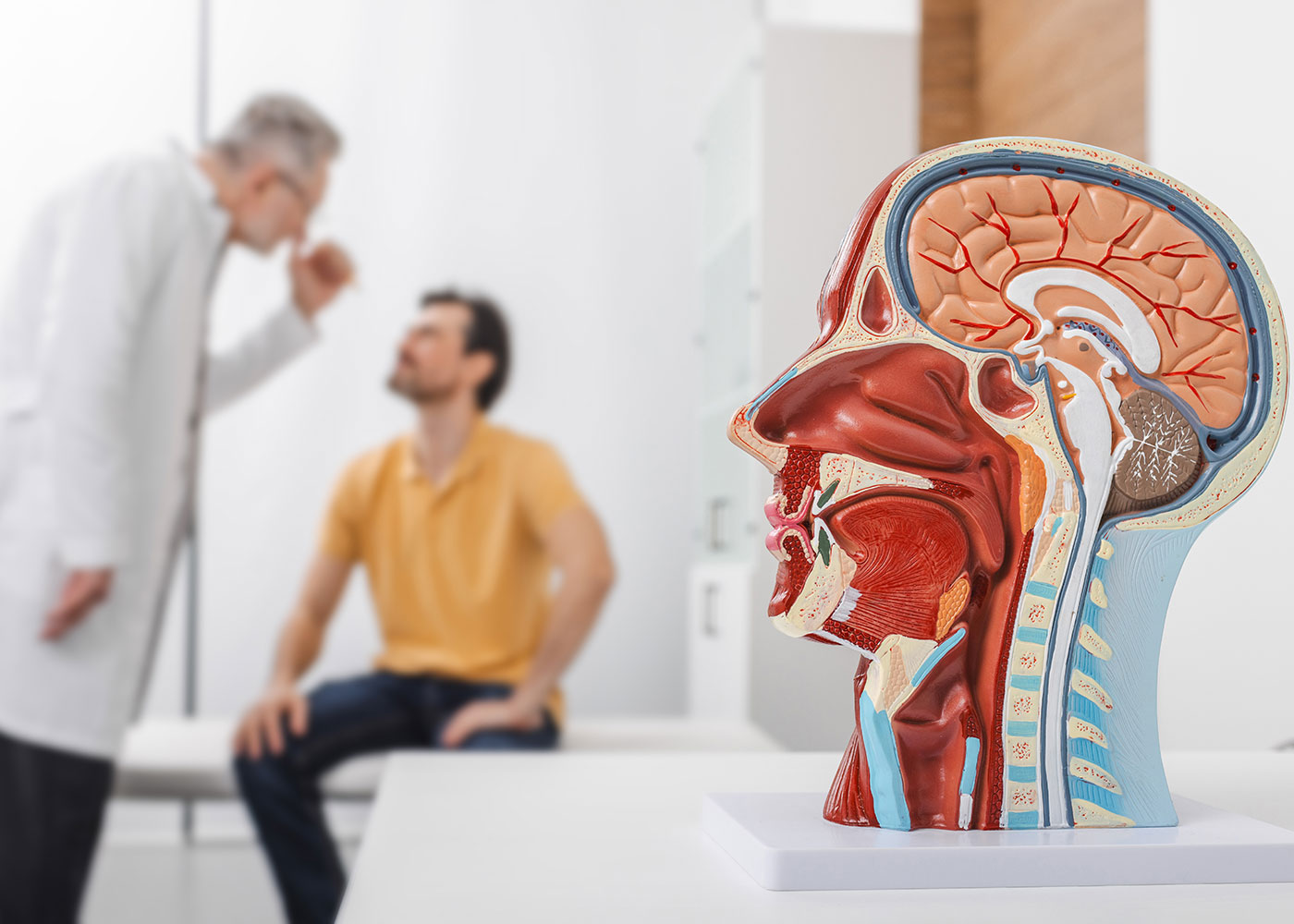
What Does Xanax Do to Your Brain? Effects on Memory, Mood & Thinking


It is understandable that doctors prescribe Xanax so frequently because it provides fast relief from extreme anxiety or panic disorders. People who take Xanax may see an end to racing thoughts, tight muscles beginning to relax, and the overwhelming fear gets replaced with a state of calm. However, this is also the reason that it has a high potential for Xanax abuse and dependency.
While Xanax reduces excessive brain activity related to anxiety, it also affects areas involved in memory formation, emotional regulation, judgment, and coordinating movements. Therefore, after extended periods of repeated use, the brain can become adapted to its use. As a result, the brain’s ability to function normally again after stopping the medication can be impaired.
How Xanax Alters Brain Activity
A large number of neurons in our brains rely upon billions of nerve cells that interact with one another through chemical messengers referred to as neurotransmitters. Among the most essential neurotransmitters used by our brains to regulate activity is gamma-aminobutyric acid (GABA).[1]
Xanax enhances the action of GABA in the brain by decreasing the rate at which nerve cells fire. As a result, instead of rapidly communicating with one another, brain cells slow their activity, and we feel a sensation of calmness and relaxation.
Many of the effects experienced by people immediately following consumption of Xanax can be attributed to its reduction in the activity levels of brain cells, including:
- Relief from anxiety
- Panic symptom reduction
- Reduced emotional intensity
- Reduced muscle tension
- Improved ability to fall asleep
Due to its quick passage across the blood-brain barrier, Xanax typically results in these effects occurring within 30 to 60 minutes.[2]
Get a Confidential Callback Now
To learn more about our New Jersey location, contact us online or dial (888) 229-7989. We are available 24/7 to assist you. If you would like an immediate callback, fill out the form below.
What Part of the Brain Is Affected by Xanax?
Although many people wonder what part of the brain Xanax affects, Xanax influences numerous interconnected regions in the brain rather than just one particular area.
Amygdala
The amygdala processes fear and emotional responses such as stress. When an individual experiences an episode of anxiety or panic, the amygdala becomes extremely active. By reducing the level of activity in this region, Xanax assists in reducing the sensations of fear and panic experienced by an individual while promoting a greater sense of calm.[3]
To someone experiencing an acute episode of panic, the reduced activity in the amygdala can appear to be instantaneous.
Hippocampus
The hippocampus is responsible for forming new memories. Since Xanax depresses activity levels in this region, people may experience:
- Lack of memory
- Difficulty paying attention
- Failure to recall conversations
- Problematic development of new memories
There are numerous examples of individuals continuing to engage in discussions or perform routine activities, yet they are unable to retain much of anything afterward.
Prefrontal Cortex
The prefrontal cortex regulates planning, attention, decision-making abilities, and impulses. As Xanax suppresses activity levels in this region, individuals may experience slowed thinking, poor judgment, reduced attention span, and difficulty solving problems
These effects illustrate why driving or engaging in other mechanical activities while under the influence of Xanax can be hazardous.
Cerebellum
The cerebellum facilitates motor coordination and balance. Reduced activity levels in this region contribute to imbalanced coordination, uncertainty about balance, slowed reflexes, and increased risk of falling
These negative consequences are amplified when Xanax is combined with alcohol or additional sedative drugs.
Reward System in the Brain
Xanax indirectly affects dopamine pathways involved with reward and reinforcement. Because relief from anxiety can be felt instantly and intensely, an association develops in the brain between Xanax and feelings of safety and comfort. As this pathway continues to develop and grow stronger due to continued exposure to Xanax, a heightened susceptibility to developing tolerance and dependence develops over time.[4]

The Effects of Xanax on the Body and Brain
Individuals usually pay close attention to the psychological ramifications produced by consuming Xanax. However, the drug influences every component of the central nervous system.
Typical effects on brain function include:
- Anxiety relief
- Reduced panic symptoms
- Calming of emotions
- Cognitive fogginess
- Impaired memory
- Slowed cognitive processing speed
- Reduced capacity to concentrate
The body also reacts to decreased activity in the nervous system. Examples include:
- Relaxation of muscles
- Extreme fatigue
- Dizziness
- Decreased response time
- Loss of coordination
- Induced sleepiness
At higher dosages or when consumed with opioids or alcohol, respiratory depression may occur, leading to a potentially fatal overdose.[5]
Short-Term Cognitive Changes After Taking Xanax
The majority of users note observable alterations in cognitive function shortly after ingesting Xanax.
Numerous users express feeling calmer, less overwhelmed, and physically relaxed. While these effects may offer immediate relief from anxiety-related issues, they are commonly accompanied by cognitive effects that impair normal functioning.
Possible short-term cognitive effects include:
- Slowness of thought
- Difficulty concentrating
- Lengthened reaction times
- Decreased focus
- Confusion
- Fatigue
These adverse reactions vary greatly from person to person. Some are only mildly bothersome, whereas others significantly inhibit work efficiency and decision-making capabilities.
Begin Your Journey
The team at SOBA NJ understands that it can be overwhelming to reach out for help. If you are not ready to make a phone call, feel free to text with one of our caring treatment coordinators right now.
Can Xanax Cause Memory Loss?
Memory loss is a frequent side effect reported by consumers of Xanax.
Instead of eliminating existing memories, Xanax can prevent the creation of new ones while it remains effective.
Users may:
- Misplace items and forget where they were located
- Repeat conversations
- Miss scheduled appointments
- Experience limited recollection of occurrences following ingestion
These adverse reactions are more apparent with increased dosages or extended periods of use.
Chronic benzodiazepine use has been linked to persistent cognitive deficits, specifically concerning attention, learning, and memory.[6]
Long-Term Effects on the Brain
After lengthy periods of repeated Xanax use, the brain begins to depend on the drug to achieve equilibrium. With time, this reliance produces measurable changes in neural function.
Developing Tolerance: With repeated administration of Xanax and subsequent adjustments made in response to diminished sensitivity of neural receptors, larger doses are required to produce similar calming effects.
Development of Dependence: GABA activity diminishes while the brain habituates itself to the presence of Xanax. Upon cessation of use and the onset of withdrawal symptoms such as anxiety, insomnia, and irritability, individuals may experience altered brain chemistry that temporarily impairs normal functioning.
Neurocognitive Changes: Long-term use may contribute to persistent alterations in cognitive function, including:
- Ongoing brain fogginess
- Altered processing rates for new information
- Reduced attention spans
- Diminished capacity for learning new information
- Compromised executive function skills
Some patients also report disconnection from daily life experiences as well as decreased motivation and emotional numbing.
Frequently Asked Questions About How Xanax Affects the Brain
Since Xanax is suppressing (or slowing down) how much emotional stimulation your brain is experiencing, that means that some people may be able to “detach” from their emotions. Even though being “numb” may decrease feelings of anxiety, there are many times when being “numb” can make it hard to enjoy things you like to do, to relate to others, or to appreciate life. It can even make it difficult to connect with friends, family, or even yourself.
The areas of the brain that help us think about what we should do before we act on our thoughts are also going to be affected by the Xanax. For example, your ability to judge whether something is good or bad, to plan out how you want to approach a situation, and/or to make rational decisions will likely be impaired. Therefore, people who are taking Xanax may find themselves acting impulsively, having trouble focusing on one thing at a time, or deciding on things they wouldn’t normally decide on if they weren’t under the influence.
Yes. Since Xanax decreases information flow into the brain, and since Xanax affects the amount of focus and concentration a person has, then it stands to reason that Xanax will impact learning and productivity. In addition to decreased ability to learn new information, Xanax can also make it more difficult to perform complex tasks at home, at work, or at school. The degree to which Xanax impacts these abilities varies depending upon dosage.
Both alcohol and Xanax slow down the central nervous system. Combining them creates a synergistic effect where both of those individual actions create an increased level of sedation. In addition to causing sedation, mixing these two substances will also cause a person to lose coordination, have poor judgment, and possibly slow their breathing rate to dangerous levels. All of these potential side effects put a person at a greater risk for overdose and death.

SOBA New Jersey Editorial Policy
All content provided by SOBA NJ is measured against our stringent editorial policy. By measuring all content, educational materials, and curricula against our editorial guidelines, we can ensure that every resource we produce not only meets expectations but exceeds our high standards. We strive to deliver accurate and objective content based on experience and a deep knowledge of the recovery process.
Get Help for Xanax Dependence at SOBA New Jersey
Changes in memory, thinking, and mood can become more concerning when Xanax use has progressed into dependence or has become difficult to control. SOBA New Jersey provides individualized treatment for Xanax and benzodiazepine addiction, helping clients safely address their substance use and develop the skills and support needed for long-term recovery. Contact our team today to learn more about treatment options.
[1] U.S. Food and Drug Administration. (2020). FDA Requiring Boxed Warning Updated to Improve Safe Use of Benzodiazepine Drug Class.
https://www.fda.gov/drugs/drug-safety-and-availability/fda-requiring-boxed-warning-updated-improve-safe-use-benzodiazepine-drug-class
[2] MedlinePlus. (2025). Alprazolam. National Library of Medicine.
https://medlineplus.gov/druginfo/meds/a684001.html
[3] National Institute of Mental Health. (2024). Anxiety Disorders.
https://www.nimh.nih.gov/health/topics/anxiety-disorders
[4] National Institute on Drug Abuse. (2025). Benzodiazepines and Opioids.
https://nida.nih.gov/research-topics/opioids/benzodiazepines-opioids
[5] U.S. Food and Drug Administration. (2020). FDA Requiring Boxed Warning Updated to Improve Safe Use of Benzodiazepine Drug Class.
https://www.fda.gov/drugs/drug-safety-and-availability/fda-requiring-boxed-warning-updated-improve-safe-use-benzodiazepine-drug-class
[6] Zetsen, S. P. G., Schellekens, A. F. A., Paling, E. P., Kan, C. C., & Kessels, R. P. C. (2022). Cognitive Functioning in Long-Term Benzodiazepine Users. European addiction research, 28(5), 377–381. https://doi.org/10.1159/000525988