
 (888) 229-7989
  Client Portal
How Long Does Librium Last? Understanding Chlordiazepoxide Effects and Timeline


Key Points
- Onset of Action: Librium typically begins to work within 30 to 90 minutes of ingestion.
- Peak Effects: The maximum calming and sedative effects are generally reached between 2 and 4 hours.
- Duration of Feel: The primary effects typically last 6 to 12 hours, though residual sedation can persist longer.
- Elimination Half-Life: Librium has a long half-life, ranging from 5 to 30 hours, but its active metabolites can remain in the body for up to 200 hours.
- Detection Window: It can be detected in urine for 3 to 10 days and in hair for up to90 days.
Those focused on long-term recovery often want to know how long Librium will continue to treat their symptoms and where it fits within the recovery process. Understanding how long the effects last will be beneficial for people considering their options regarding drug testing, side effects of their medication, and when and where it fits into their recoveries.
Librium (the brand name of chlordiazepoxide) is a benzodiazepine that causes central nervous system depression [1]. It is a Schedule IV controlled substance in the United States, meaning it has accepted medical use but a low potential for abuse and dependence when used as prescribed. As with most medications in this class, how long Librium works or how long its effects last will vary from person to person based on several factors like overall health, dosage, and duration of use.
Librium works by enhancing gamma-aminobutyric acid (GABA) activity in the brain, slowing activity and reducing anxiety, agitation, and overexcitement during withdrawal or stress. People use Librium because it helps calm the brain and body during periods of heightened nervous system activity. It is most commonly prescribed to support those with alcohol withdrawal syndrome, where it can reduce withdrawal symptoms such as anxiety, agitation, tremors, and seizure risk during medical detoxification.
Librium may also be used short-term to manage mental health challenges, like anxiety disorder, or to help someone relax before a medical procedure. Librium is typically prescribed for brief periods and closely monitored, especially in recovery-focused care settings.
This article discusses three of the most commonly asked questions about what to expect when taking Librium, including the duration of its effects, when side effects may occur, and how long Librium can be detected in the body.
Quick Answer
How Long Do the Effects of Librium Last?
Onset: Effects typically begin within 30 to 90 minutes after taking a dose. Peak: Calming and sedating effects often peak within 2 to 4 hours. How long you feel it: Many people think the primary impacts last for 6 to 12 hours, though some notice sedation into the next day [2]. Why it can feel long: Librium has active metabolites and a long half-life (the time required for the concentration of the active substance in the body to decrease by half), meaning it leaves the body slowly and can feel present longer than expected.
How Long Does Chlordiazepoxide Last?
Chlordiazepoxide is considered a long-acting benzodiazepine [3]. While the noticeable calming effects may fade within a day, the medication and its metabolites remain in the body much longer. This long-acting profile is why some people experience lingering drowsiness or test positive on drug screens days or even weeks later [4].
Get a Confidential Callback Now
To learn more about our New Jersey location, contact us online or dial (888) 229-7989. We are available 24/7 to assist you. If you would like an immediate callback, fill out the form below.
Librium Duration Basics (What “Lasts” Actually Means)
Effects vs. Half Life vs. Time to Clear
The half-life of a medication is the time it takes for half of the active substance to be eliminated from the body. Half-life does not mean the medication is gone or no longer affecting you. Many clinicians estimate that it takes several half-lives for a drug to fully clear. FDA labeling data for Librium shows a wide half-life range and notes that levels decline slowly after discontinuation, especially after repeated use [5].
Why Librium Can Last Longer Than Some Benzos
Chlordiazepoxide is broken down into active metabolites. These metabolites continue to affect the body even after the original dose wears off [2]. This is one reason Librium may feel longer-lasting than shorter-acting benzodiazepines.
Effects and Duration of Chlordiazepoxide (Librium)
Short-term effects (24 hours):
Chlordiazepoxide will cause an immediate calming effect when taken [1]. This effect will peak within 2 to 4 hours of taking it. Once the calming impact wears off, you will likely still feel sedated for a few to several hours afterward.
Intermittent effects (48 hours):
Chlordiazepoxide will remain in your body for up to a week. Many people still experience some sedating effects for days or weeks after taking it. The half-life of chlordiazepoxide is 5 to 30 hours, but its active metabolites can last much longer [5]. This can lead to increased residual calmness and decreased reaction time for some users.
Long-term effects:
Chlordiazepoxide’s effectiveness continues to decline several half-lives after the last dose is taken. When taken as directed (12 to 30 mg), it takes about three to five times the half-life (24 to 48 hours) to leave your body and is likely to cause prolonged sedating effects [5]. The remaining metabolites of chlordiazepoxide can also last for days to several weeks [4].
How Long Do Chlordiazepoxide Side Effects Last?
Duration of Side Effects and How to Manage Them
Most of the common side effects (drowsiness, dizziness, fatigue, muscle coordination problems, and mild cognitive (related to knowledge and understanding) changes) will likely diminish as the effects of chlordiazepoxide wear off. However, drowsiness and fatigue may continue for several days for some individuals after stopping Chlordiazepoxide [2].
Side Effects That Should Prompt Urgent Medical Help
If the side effects from chlordiazepoxide are too severe, please see a doctor right away because severe sedation or breathing difficulties can be very dangerous [1]. If a patient experiences severe side effects, such as trouble breathing, confusion, or extreme sedation, they should contact their physician immediately.
When Side Effects Last Longer Than Expected
If they continue or worsen after several days, particularly in older individuals, individuals with liver impairment, those who use Librium for longer than a few days, or those taking additional medications affecting the CNS, then it is appropriate to contact your doctor [6].
This information reflects educational material only, and it is not intended as a substitute for individual medical advice from an appropriate health care professional.
Is Librium Detectable in Drug Tests?
The Key Idea: Tests Often Detect Metabolites
Librium is usually detectable in drug tests because the tests look for metabolized forms of the drug rather than the active drug itself [4]. Due to the extended half-life of Librium and its active metabolites, the detection window sometimes is much longer than expected.
Librium Detection Windows by Test Type
| Test Type | Detection Window | Factors Affecting Detection Window |
| Urine | Days to weeks | Dose taken, length of time used, and how fast the body processes (metabolizes) the drug |
| Blood | Days | Recency of use, liver function |
| Saliva | Days | Length of time since last dose was taken |
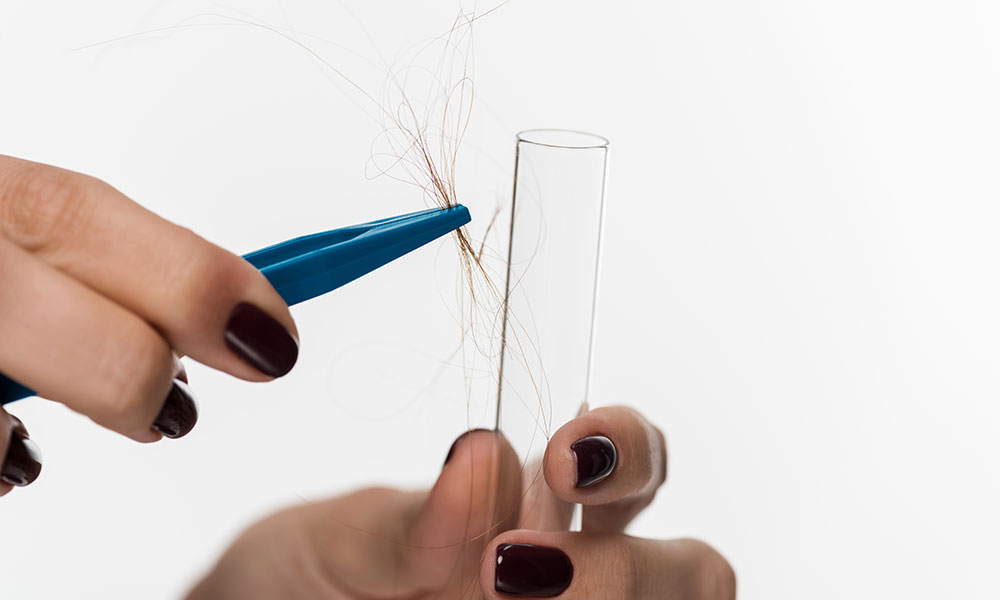
| Hair | 90 days | Drug use has taken place over a long period of time |
The length of time Librium may be detectable via testing methods will vary by individual, depending on genetics and biological makeup, as well as testing procedures [4].
Why Someone May Test Positive Longer
Additional reasons a person may be found to test positive for a long time: Higher or repeated doses of the drug taken; Chronic use of the drug; An individual with higher body fat; An individual with a slower metabolism; Older individuals; and an individual’s liver health [6].
False Positives and Confirmatory Testing
False-positive results from initial screening tests can sometimes yield indeterminate results, whereas confirmatory testing uses a more specific procedure [7]. If the results of the drug test are essential to employment or for any legal reason, this should be discussed with the testing facility in advance to verify whether the facility accepts prescription medications.
If You Have a Drug Test Coming Up
If an individual is taking a drug test for employment or any other reason, if the individual has a prescription and discusses the prescription with the testing facility, misunderstandings about taking the medication can be minimized. Testing policies vary greatly.
Begin Your Journey
The team at SOBA NJ understands that it can be overwhelming to reach out for help. If you are not ready to make a phone call, feel free to text with one of our caring treatment coordinators right now.
What Changes How Long Librium Lasts? (Personal and Dosing Factors)
How Librium’s Duration of Time in the Body is Affected By Personal Biological and Dosage Variables:
Body/Health Factors:
- Age
- Liver Function
- Body Composition
- Fat Content
- Older individuals typically experience an enhanced experience of Librium’s calming effects [6].
Medication Factors:
- Dosage strength
- Rate of dosage frequency
- Duration the medication is being used
- Accumulation from long-term usage
Interaction Factors: Use of alcohol, opioids, or any other sedating medications while taking Librium will significantly increase its side effects and increase the safety risk [1].
Librium Half Life (Chlordiazepoxide) Explained in Plain English
What the FDA Label Says
The FDA product label states that Librium has a long and variable half-life, followed by a gradual decrease in drug concentration over time after the medication is stopped [5]. The half-life is one factor contributing to Librium’s prolonged effect and to how long it can be detected.
Metabolites and Why Clearance Can Take Time
The brain continues to use the metabolites of a drug after the parent drug has been metabolized; therefore, the overall duration the drug remains in the body is increased.
Librium vs Other Benzodiazepines
Librium generally has longer effects and longer detection times when compared to drugs with a shorter half-life within the Benzodiazepine class. In a medically supervised environment, individuals who detoxify from other drugs can benefit from a longer-lasting effect of Librium in addition to requiring careful monitoring of use due to concerns over the side effects associated with taking Librium [8].
Frequently Asked Questions
Librium typically produces calmness and relaxation for 6–12 hours in individuals, depending on how quickly they metabolize the medication, dosage taken, and overall health [2].
Although the noticeable effects of the medication will last for a shorter amount of time than the drug will stay in the person’s body, however, the long half-life of the medication, coupled with its active metabolite forms, can result in Chlordiazepoxide remaining in a person’s body for a number of days or even weeks [4].
Although many side effects will resolve soon after the drug’s effects wear off, drowsiness and fatigue can persist for days, especially in older individuals or chronic users [6].
Yes! Depending on the frequency of use, types of drug test used, and how quickly or slowly you metabolize Chlordiazepoxide, it can take anywhere from a few days to several weeks to return a positive result on urine drug tests [7].
Taking higher doses, chronic use of Librium, liver function issues, and taking other depressants with Librium can contribute to reducing how long Librium remains in an individual’s body [6].
Yes! Many people have experienced daytime drowsiness as a result of taking Librium, and individuals who have taken higher doses have sustained daytime drowsiness after the initial dose is metabolized or after repeated dosages [2].
You should seek urgent medical care if you are experiencing severe side effects such as difficulty breathing, confusion, or excessive sedation [1]. You should also discuss ongoing or concerning symptoms with your physician.

SOBA New Jersey Editorial Policy
All content provided by SOBA NJ is measured against our stringent editorial policy. By measuring all content, educational materials, and curricula against our editorial guidelines, we can ensure that every resource we produce not only meets expectations but exceeds our high standards. We strive to deliver accurate and objective content based on experience and a deep knowledge of the recovery process.
Your next step does not have to be big. It just has to be real. Talk with our admissions team today and let’s figure out what support makes sense for you.
[1] U.S. National Library of Medicine. (2021). Chlordiazepoxide. MedlinePlus.
[2] National Center for Biotechnology Information. (2023). Benzodiazepine Toxicity. StatPearls.
[3] Griffin, C. E., Kaye, A. M., Bueno, F. R., & Kaye, A. D. (2013). Benzodiazepine pharmacology and central nervous system-mediated effects. The Ochsner Journal, 13(2), 214–223.
[4] Mayo Clinic Laboratories. (2024). https://www.mayocliniclabs.com/test-catalog/drug-book/specific-drug-groups/benzodiazepines
[5] DailyMed. (2025). Chlordiazepoxide hydrochloride capsule: Drug label. National Library of Medicine. https://dailymed.nlm.nih.gov/dailymed/lookup.cfm?setid=3cbd7cee-c4d7-4c95-93d8-09428169b937
[6] Kang, M., & Galuska, M. A. (2023). Benzodiazepines. StatPearls Publishing. https://www.ncbi.nlm.nih.gov/books/NBK470159/
[7] StatPearls Publishing. (2023). Drug testing. National Center for Biotechnology Information. https://www.ncbi.nlm.nih.gov/books/NBK459334/
[8] National Institute on Drug Abuse. (2022). Benzodiazepines and opioids. National Institutes of Health. https://nida.nih.gov/research-topics/opioids/benzodiazepines-opioids