
 (888) 229-7989
 Client Portal
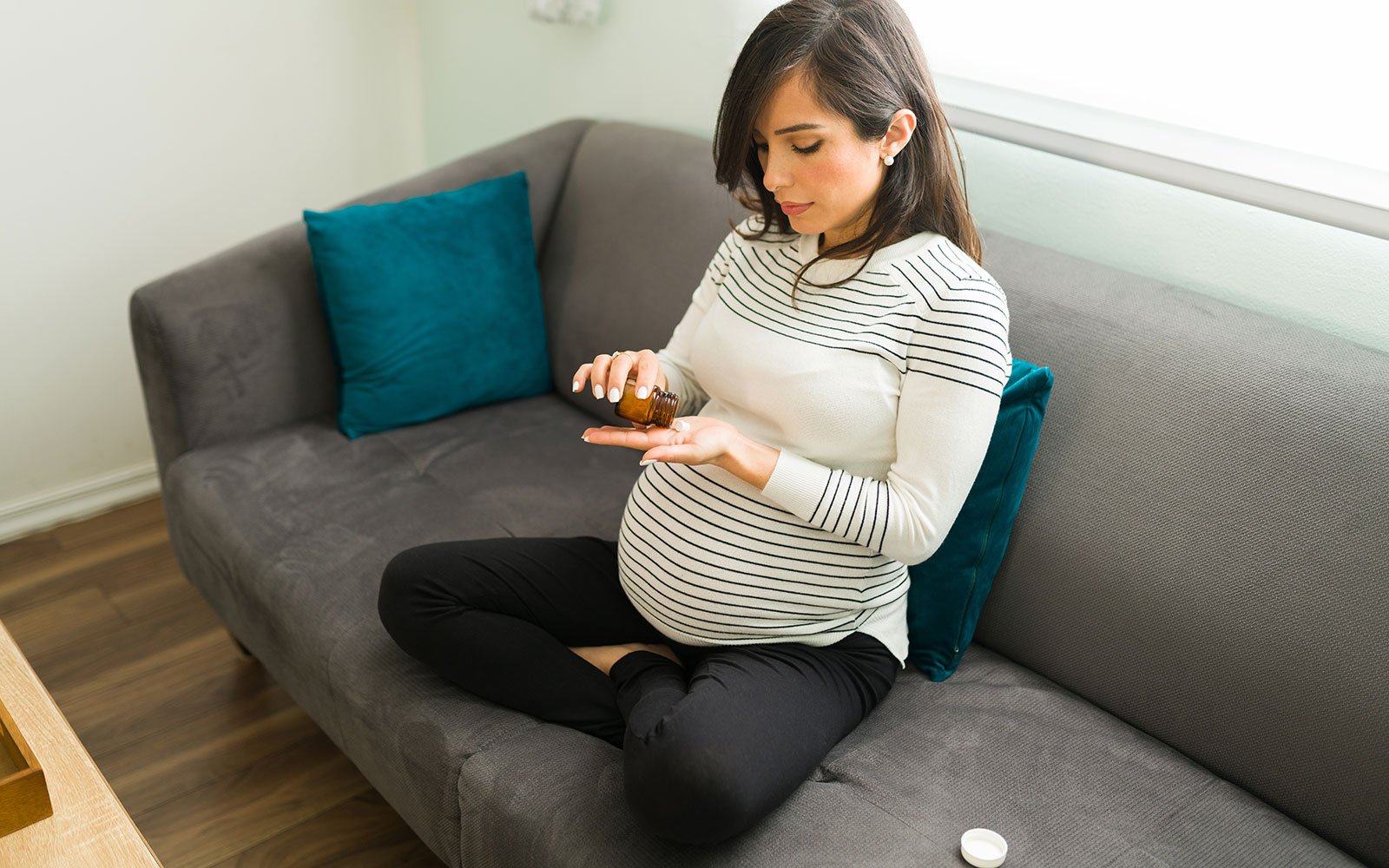
Can You Take Xanax While Pregnant? Risks and Safer Next Steps


Key Points
- Xanax is the brand name for alprazolam, a benzodiazepine medication sometimes prescribed for anxiety and panic disorders.
- Xanax during pregnancy is not usually considered a first-choice anxiety treatment because it may carry risks for the pregnancy and baby.
- Later pregnancy exposure can lead to newborn sedation or withdrawal symptoms, including breathing problems, feeding difficulties, tremors, and irritability.
- Some studies have linked benzodiazepine use in early pregnancy with miscarriage or birth defects, but other factors like age, health history, and substance use make those findings hard to untangle.
- Untreated anxiety can affect pregnancy too, which is exactly why this decision shouldn’t be made alone.
- Do not stop Xanax suddenly after finding out you are pregnant because rapid dose reduction can cause dangerous withdrawal symptoms.
Finding out you’re pregnant while taking Xanax can trigger immediate fear. You may wonder whether one dose harmed the baby, whether you should stop right away, or whether untreated anxiety could become worse without medication.
The safest approach is to stay calm and avoid changing your medication on your own. Talk it through with your OB-GYN, psychiatrist, or whoever prescribed the medication. The goal is to protect your health and your baby’s health while keeping risk as low as possible. Keep reading to learn more about Xanax and pregnancy, including risks, alternative options, and when you may need professional help.
What Is Xanax?
Xanax is the brand name for alprazolam. Alprazolam belongs to a group of medications called benzodiazepines that slow down activity in the central nervous system, which is why doctors prescribe them for anxiety, panic disorders, and related symptoms.
Benzodiazepines can calm anxiety fast, but that speed comes with trade-offs: drowsiness, impaired coordination, dependence, withdrawal, and dangerous interactions with alcohol, opioids, or other sedating medications.
The official Xanax label states that use late in pregnancy can result in neonatal sedation, including respiratory depression, lethargy, and hypotonia, as well as neonatal withdrawal symptoms such as irritability, tremors, feeding difficulties, and inconsolable crying.[1]
That does not mean every baby exposed to Xanax will have these effects, but every situation is different enough that it needs individualized medical guidance.

Can You Take Xanax While Pregnant?
Some pregnant women may be prescribed alprazolam when a healthcare provider believes the benefits outweigh the risks. However, Xanax is not usually the first medication doctors reach for when treating anxiety during pregnancy.
Several factors go into whether Xanax is appropriate during pregnancy:
- Dose
- Frequency of use
- Stage of pregnancy
- Severity of anxiety or panic attacks
- Other medications
- Substance use history
- Prior benzodiazepine dependence
- Risk of withdrawal
- Medical conditions
- Previous pregnancy complications
- Available alternatives
A person taking Xanax every day before pregnancy is in a different situation than someone who took one dose before realizing they were pregnant. Both deserve medical support, but the right next step may look much different for each one.
Can Xanax Cause Miscarriage?
There’s no simple answer to whether Xanax causes miscarriage, because miscarriage can happen for many reasons. Anxiety disorders, sleep disorders, other medications, age, medical history, substance use, and other pregnancy risk factors can all affect outcomes.
A 2026 study found no statistically significant increase in miscarriage with alprazolam specifically, though benzodiazepines as a class were associated with a modestly increased risk.[2]
Xanax During the First Trimester
The first trimester is when many of the baby’s major organs develop, so doctors pay close attention to medication exposure during this window because of the risk of birth defects and congenital malformations.
Research on benzodiazepines and pregnancy has been mixed. A large population-based study in South Korea found a small increased risk of overall congenital malformations and heart defects associated with first-trimester benzodiazepine exposure, with higher risks seen at higher daily doses.[3]
Xanax doesn’t automatically cause birth defects, but first-trimester exposure is worth reviewing carefully with a healthcare provider. If you took Xanax before knowing you were pregnant, do not assume the worst. Call your provider, share the dose and timing, and ask what monitoring or follow-up is recommended.
Xanax During the Second and Third Trimester
Later in pregnancy, the concern shifts toward how the medication may affect the baby after birth. Babies exposed to benzodiazepines near birth may experience sedation or withdrawal symptoms once the steady supply of medication from the mother’s body suddenly ends at delivery.
A newborn exposed to Xanax late in pregnancy may show:
- Excessive sleepiness
- Weak muscle tone
- Depressed breathing
- Feeding problems
- Irritability
- Tremors
- Restlessness
- High-pitched or inconsolable crying
- Trouble settling
- Need for neonatal intensive care in some cases
A prospective study of alprazolam exposure in pregnancy found associations with adverse pregnancy and neonatal outcomes, including spontaneous abortion, low birth weight, and low Apgar score, although the authors noted that more research is needed and findings cannot answer every safety question.[4]
If alprazolam is used later in pregnancy, the delivery team should know so the baby can be monitored after birth.
Effects of Taking Alprazolam While Pregnant
For the pregnant person, Xanax may reduce panic or severe anxiety, but it can also cause sedation, dizziness, memory problems, falls, dependence, and withdrawal symptoms if stopped too quickly.
Concerns for the baby can include:
- Sedation after birth
- Withdrawal symptoms
- Feeding difficulty
- Breathing problems
- Low muscle tone
- Lower birth weight in some studies
- A possibly higher risk of certain pregnancy complications
- Effects that are hard to predict and vary by dose and timing
Medication isn’t the only source of risk here. Untreated anxiety can also affect sleep, nutrition, prenatal care, blood pressure, substance use risk, and daily functioning. A treatment plan that weighs both sides is often the safer path.
Why You Should Not Stop Xanax Suddenly
It may feel natural to stop Xanax immediately after a positive pregnancy test. However, suddenly stopping can be dangerous, especially after regular use.
Abrupt discontinuation or rapid dose reduction of alprazolam after continued use can cause acute withdrawal reactions, which may be life-threatening.[5]
Withdrawal from Xanax can bring on:
- Rebound anxiety
- Panic attacks
- Trouble sleeping
- Tremors
- Sweating
- Nausea
- Agitation
- Sensory sensitivity
- Confusion
- Hallucinations
- Seizures in severe cases
A healthcare provider may recommend a gradual taper, a different medication, therapy, or some combination of the three. The safest plan depends on how long you have taken Xanax, your dose, your pregnancy, and your mental health history.
Safer Alternatives to Xanax During Pregnancy
Anxiety treatment during pregnancy isn’t one-size-fits-all. The best option depends on symptom severity, prior treatment response, personal preferences, and medical history.
Alternatives worth discussing with a provider include:
- Therapy
- Cognitive behavioral therapy
- Mindfulness-based skills
- Sleep support
- Prenatal mental health counseling
- Support groups
- Stress reduction planning
- Treatment for trauma or depression
- Selective serotonin reuptake inhibitors when clinically appropriate
- Other medications chosen by a pregnancy-informed prescriber
Anxiety during pregnancy is commonly treated with psychotherapy, also known as talk therapy. Medication may be added when symptoms affect daily life or don’t improve with therapy alone.[6]
For many people, therapy and lifestyle support are not “less serious” than medication. They can be an essential part of managing mental health safely during pregnancy.
When Xanax Use May Be Part of a Larger Concern
Some people take Xanax exactly as prescribed, while others find it’s become harder to control, and pregnancy can make that feel even scarier. Either way, help is available.
It may be time to seek support if you:
- Take more Xanax than prescribed
- Run out early
- Use Xanax with alcohol, opioids, or other drugs
- Need Xanax to sleep or function
- Feel unable to cut back
- Have withdrawal symptoms between doses
- Buy pills without a prescription
- Hide use from loved ones or providers
- Feel ashamed or afraid to be honest
- Have a substance use disorder or mental health condition
Being honest with your care team protects you and your baby. It helps providers plan safer medication changes, withdrawal support, prenatal monitoring, and treatment when needed.
Support for Xanax Use at SOBA NJ
Xanax during pregnancy can feel overwhelming, especially alongside anxiety, dependence, substance use, or withdrawal symptoms. You do not have to manage it without support.
At SOBA New Jersey, we treat adults 18 and older for substance use disorders and the mental health conditions that often come with them. If benzodiazepines or other substances feel like they’re running your life, reach out to us today. We can help you understand treatment options, stabilize safely, and begin building a healthier foundation for recovery.
Frequently Asked Questions About Xanax During Pregnancy
Some people may be prescribed Xanax during pregnancy when a healthcare provider believes the benefits outweigh the risks. It is not usually a first-choice anxiety treatment during pregnancy, so medical guidance is important.
A pregnant person should only take Xanax for panic attacks if it is prescribed and monitored by a healthcare provider. Other treatments may be safer or more appropriate during pregnancy.
Some studies have reported an association between alprazolam or benzodiazepine exposure and miscarriage, but miscarriage can have many causes. Talk with your provider about your personal risk.
Xanax is not considered risk-free during the first trimester. Some studies suggest a small increased risk of congenital malformations with benzodiazepine exposure, especially at higher doses.
Yes. Xanax use late in pregnancy can lead to newborn sedation or withdrawal symptoms, such as breathing problems, poor feeding, tremors, irritability, or unusual sleepiness.
Do not stop Xanax suddenly without medical guidance. Rapid reduction after regular use can cause dangerous withdrawal symptoms, including seizures. Call your healthcare provider promptly for a safe plan.
There Is A Better Way To Live. It’s Time To Get The Help You Deserve.
Take the first step in getting your life back. Speak with our admissions team today.
[1] [5] U.S. National Library of Medicine. (2024). XANAX (alprazolam) tablet. DailyMed. https://dailymed.nlm.nih.gov/dailymed/drugInfo.cfm?setid=bb5cf72e-3a41-41a8-9a38-80f974eca33f
[2] Meng, L.-C., Lin, C.-W., Chuang, H.-M., Chen, L.-K., & Hsiao, F.-Y. (2024). Benzodiazepine use during pregnancy and risk of miscarriage. JAMA Psychiatry, 81(4), 366–373. https://doi.org/10.1001/jamapsychiatry.2023.4912
[3] Noh, Y., Lee, H., Choi, A., Kwon, J. S., Choe, S.-A., Chae, J., Kim, D.-S., & Shin, J.-Y. (2022). First-trimester exposure to benzodiazepines and risk of congenital malformations in offspring: A population-based cohort study in South Korea. PLOS Medicine, 19(3), e1003945. https://doi.org/10.1371/journal.pmed.1003945
[4] Lee, H., Koh, J.-W., Kim, Y.-A., Chun, K.-C., Han, J. Y., Hwang, J. H., Choi, J.-S., Joo, S. H., & Kwon, H.-Y. (2022). Pregnancy and neonatal outcomes after exposure to alprazolam in pregnancy. Frontiers in Pharmacology, 13, 854562. https://doi.org/10.3389/fphar.2022.854562
[6] American College of Obstetricians and Gynecologists. (n.d.). Anxiety and pregnancy. https://www.acog.org/womens-health/faqs/anxiety-and-pregnancy