
 (888) 229-7989
  Client Portal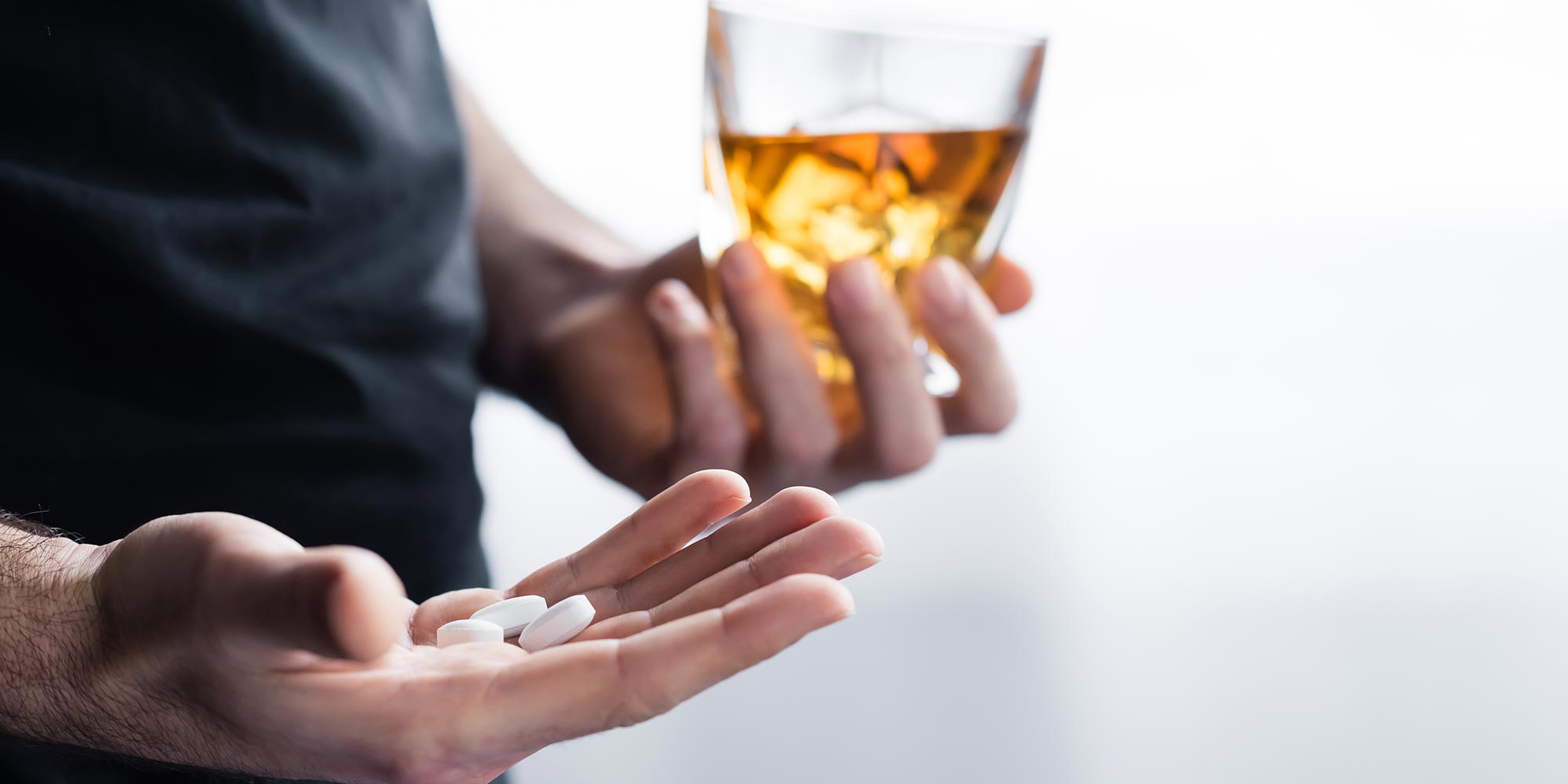
Meloxicam and Alcohol: Is Mixing Safe?


Key Points
- Meloxicam is a nonsteroidal anti-inflammatory medication that treats pain, swelling, stiffness, and inflammation.
- It is most often prescribed to treat pain associated with arthritis, including osteoarthritis and rheumatoid arthritis.
- There are risks of side effects when taking meloxicam, with the most common being gastrointestinal problems and dizziness and more serious side effects including heart attack, stroke, and liver and kidney problems.
- Mixing alcohol and meloxicam increases the risk of experiencing serious side effects of gastrointestinal bleeding, dizziness, and liver and kidney problems.
- You should discuss your medical history, including health conditions, current medications taken, and any alcohol or drug use with your healthcare provider before taking meloxicam.
Meloxicam is a nonsteroidal anti-inflammatory drug (NSAID) used to relieve pain and swelling often associated with different types of arthritis. It does have side effects that can be exacerbated when combined with alcohol. This includes increased risk for dizziness, gastrointestinal bleeding, and kidney and liver problems. Due to these potentially life-threatening health conditions, alcohol consumption should be avoided when taking meloxicam.
What is Meloxicam?
Meloxicam is a nonsteroidal anti-inflammatory drug (NSAID). It relieves pain, fever, swelling, tenderness, stiffness, and inflammation associated with [1]
- Osteoarthritis: arthritis caused by a breakdown of the lining of the joints
- Rheumatoid arthritis: arthritis caused by swelling of the lining of the joints
- Juvenile rheumatoid arthritis: a type of arthritis that affects children. Meloxicam is approved for use in children aged 2 years and older with juvenile rheumatoid arthritis.
- Ankylosing spondylitis: arthritis that mainly affects the spine
Risks and Side Effects of Meloxicam
Common meloxicam side effects include:[2]
- Gastrointestinal problems: stomach pain, nausea, vomiting, heartburn, diarrhea, constipation, gas
- Dizziness
- Cold symptoms or flu-like symptoms
Serious meloxicam side effects include:[3]
- Allergic reaction: hives, difficulty breathing, swelling in your face or throat
- Skin reaction: fever, sore throat, burning eyes, skin pain, red or purple skin rash with blistering and peeling
- Stomach bleeding: bloody/tarry stools, coughing up blood, vomit that resembles coffee grounds
- Liver problems: nausea, upper stomach pain, itching, tired feeling, flu-like symptoms, loss of appetite, dark urine, clay-colored stools, jaundice
- Kidney problems: little or no urination, swelling in your feet or ankles, feeling fatigued, shortness of breath
- Anemia: pale skin, unusual tiredness, feeling light-headed, cold hands and feet
- Heart attack or stroke: chest pain spreading to your jaw or shoulder, sudden numbness or weakness on one side of the body, slurred speech, leg swelling, and shortness of breath.
Get a Confidential Callback Now
To learn more about our New Jersey drug and alcohol treatment, contact us online or dial (888) 229-7989. We are available 24/7 to assist you. If you would like an immediate callback, fill out the form here.
If you experience any of the above serious side effects from meloxicam, seek immediate medical attention. Symptoms can worsen to become life-threatening.
People who are at higher risk for developing serious complications include those who:[4]
- have taken NSAIDs for a long time
- are older
- have poor health
- drink large amounts of alcohol while taking meloxicam
Dangers of Combining Meloxicam and Alcohol
Nonsteroidal anti-inflammatory drugs (NSAIDs), including meloxicam, are linked to an increased risk of gastrointestinal bleeding, ulcers, and holes in the stomach or intestines. Alcohol also has a risk of causing gastrointestinal bleeding. Combining them significantly increases one’s risk for gastrointestinal bleeding. Consuming one drink per day while taking an NSAID increases the risk of gastrointestinal bleeding by 37%. [5] Gastrointestinal problems can develop at any time during the duration of treatment and can happen without warning, with few symptoms, and can lead to death.
One of the common side effects of meloxicam is dizziness. Alcohol can also cause dizziness. Together, they can exacerbate the risk of experiencing severe dizziness as a side effect. This can increase your risk of falling or having an accident. You should not drive, operate heavy equipment or machinery, or participate in any other activity that could cause yourself or others harm due to being dizzy.
Alcohol can cause liver damage, including cirrhosis of the liver and kidney damage that impacts kidney function effectively. Meloxicam can also cause liver and kidney problems. Mixing both alcohol and meloxicam increases your risk of experiencing serious liver or kidney problems.
Safe Use Guidelines
The following are some precautions and safety guidelines to consider before taking meloxicam.[6]
- Do not take meloxicam if you have an allergy to it. Discuss with your doctor before taking meloxicam if you have had allergic reactions to taking other NSAIDs. If you are susceptible to allergic reactions, verify all meloxicam ingredients with your doctor or pharmacist before starting meloxicam treatment.
- Discuss with your doctor and pharmacist what medications you currently take before starting meloxicam. This is due to the adverse effects of some medications. Meloxicam should not be taken if you are on certain medications, while other medications may need a change in dosage or extra monitoring while taking meloxicam.
- Certain over-the-counter medications, including aspirin, naproxen, and other NSAIDs, such as ibuprofen, can interact with meloxicam. Discuss this with your healthcare provider or pharmacist if you take any of these regularly or expect to take them while also taking meloxicam.
- Tell your healthcare provider if you have a history of asthma, including stuffy or runny nose, nasal polyps, heart failure, kidney disease, liver disease, or swelling of the hands, feet, ankles, or lower legs. These conditions can worsen or become life-threatening if you take meloxicam.
- Tell your healthcare provider if you are pregnant. Meloxicam can harm the unborn baby, especially at 20 weeks or later in pregnancy. Do not take meloxicam if you are 20 weeks or beyond in your pregnancy unless you and your healthcare provider have discussed the risks and benefits of continuing your meloxicam treatment.
- Tell your healthcare provider or dentist you are taking meloxicam before any surgeries, including oral surgery.
- Using alcohol, tobacco, and caffeine while taking meloxicam has caused adverse reactions for some people.
Begin Your Journey
The help you need is just a step away. Contact us today to learn more about our treatment options.
Meloxicam and Alcohol Use
If your medical provider has recommended you begin treatment with meloxicam but you are unable to due to your alcohol use, there are treatment options. The most common reasons to prescribe meloxicam are for pain and inflammation due to arthritis. Alcohol can cause inflammation throughout your body, worsening your arthritis symptoms.
Eliminating alcohol may help reduce your inflammation and pain and will also allow you to begin a meloxicam regime to treat your arthritis symptoms safely. Alcohol rehab programs can help you safely detox from alcohol and provide aftercare support to ensure your successful recovery. Addiction treatment programs can involve inpatient or outpatient treatment. Their goal is to meet your needs to support your successful recovery. Intake staff will work with you to identify your needs, the best treatment plan option, and the support and resources you may benefit from.
Frequently Asked Questions About Meloxicam and Alcohol
It depends on your medical conditions and your healthcare provider’s recommendations on which medication best treats your symptoms. Ibuprofen is an over-the-counter medication effective in treating general pain. Meloxicam is a stronger prescription medication that is effective in treating arthritis pain. Both ibuprofen and meloxicam can cause health risks, especially if they are not taken as directed or when mixed with other drugs.
The U.S. Food and Drug Administration (FDA) warns against using nonsteroidal anti-inflammatory drugs (NSAIDs), both over-the-counter and prescriptions, including meloxicam, around 20 weeks or later in pregnancy. [7] This is due to its potential to cause rare but serious kidney problems in an unborn baby and result in low levels of amniotic fluid surrounding the baby and possibly further complications.
At around 20 weeks of pregnancy, the unborn baby’s kidneys produce most of the amniotic fluid so kidney problems can lead to low amniotic fluid levels. Amniotic fluid provides a protective cushion and helps the unborn babies’ lungs, digestive system, and muscles develop. If you are pregnant, you should not use NSAIDs at 20 weeks or later in pregnancy unless you are specifically advised to do so by your healthcare provider.
Yes, it is possible to overdose on meloxicam, especially if it has been combined with alcohol or other drugs. If you believe you or a loved one may be experiencing a meloxicam overdose, seek emergency medical attention immediately. Symptoms of a meloxicam overdose include: [8]
- lack of energy
- drowsiness
- Nausea, vomiting
- stomach pain
- bloody, black, or tarry stools
- vomit that is bloody or looks like coffee grounds
- difficulty breathing
- seizures
- Coma
You should not drink alcohol while meloxicam is in your system. Meloxicam does have a long half-life of 20 hours.[9] This means it will take approximately four and a half days for meloxicam to be completely out of your system. To reduce your risk of experiencing side effects from combining alcohol and meloxicam, you should refrain from drinking alcohol for four to five days after your last dose of meloxicam.

SOBA New Jersey Editorial Policy
All content provided by SOBA NJ is measured against our stringent editorial policy. By measuring all content, educational materials, and curricula against our editorial guidelines, we can ensure that every resource we produce not only meets expectations but exceeds our high standards. We strive to deliver accurate and objective content based on experience and a deep knowledge of the recovery process.
Take the first step in getting your life back. Speak with our admissions team today.