(888) 229-7989
  Client Portal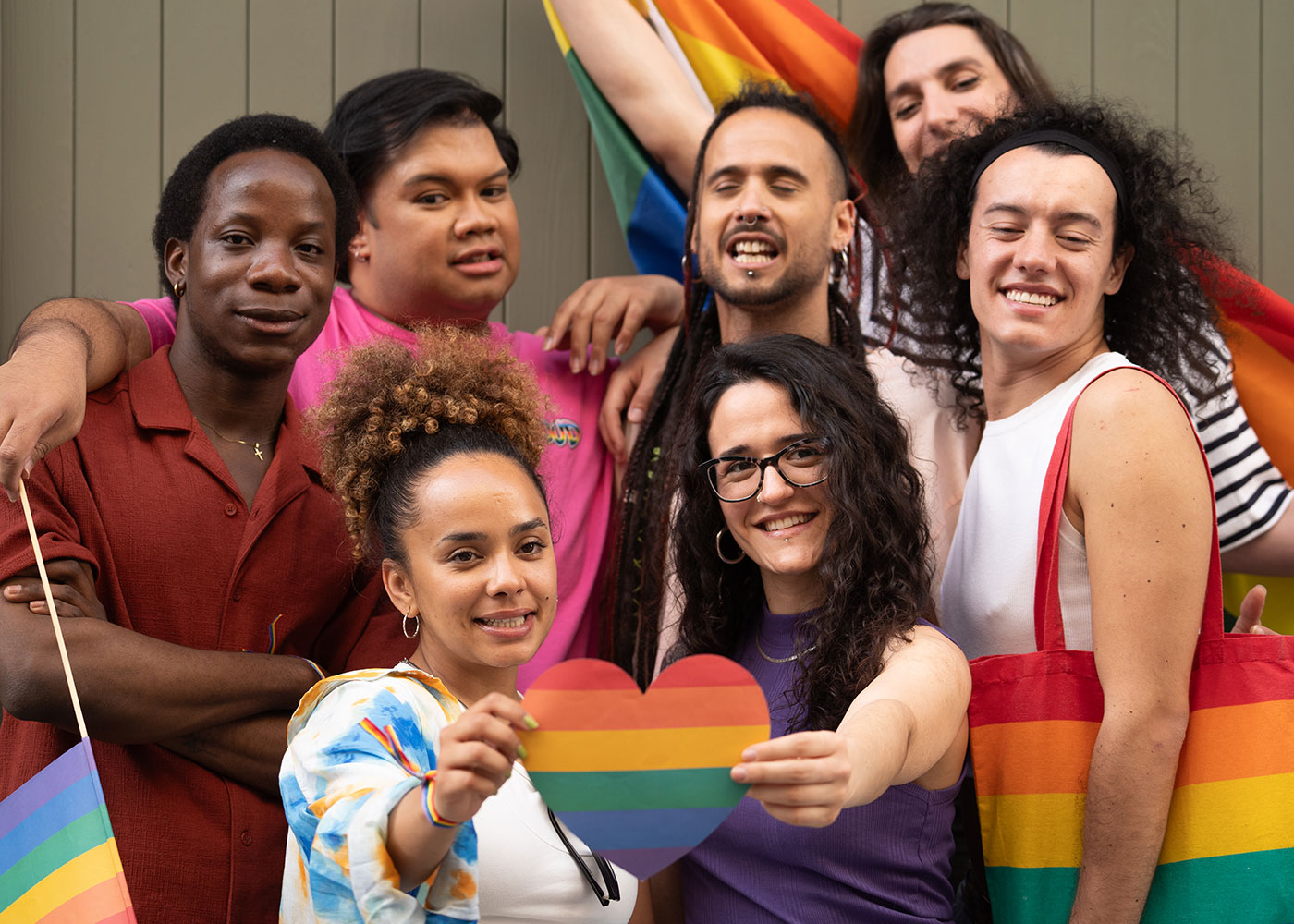
Why LGBTQIA+ People May Need Affirming Addiction Treatment
People identifying as LGBTQIA+ are at a high risk of developing addictions, but the issue is not about sexual orientation. The issue is the chronic stress caused by the stigma, discrimination, rejection, violence, and marginalization that these populations frequently encounter.
Minority stress theory helps explain this phenomenon. In general terms, research indicates that minority stress is the additional social and psychological pressure imposed on members of stigmatized groups due to prejudice, stigma, concealment, discrimination, and internalized negative stereotypes.[1] Over time, some people develop coping mechanisms such as alcohol or substance use to deal with this unique form of anxiety, depression, trauma, loneliness, rejection, or safety concerns.
The National Survey on Drug Use and Health (NSDUH) reports significant associations between LGBTQIA+ identification, substance use, and co-occurring mental health disorders. Specifically, data from the 2023 NSDUH indicated that LGB+ persons were significantly more likely than heterosexual persons to experience substance use disorders as well as co-occurring mental illnesses.[2] While this does not represent each and every member of the LGBTQIA+ community, it highlights why treatment must be prepared to address the co-occurring substance use disorder as well as the potential stressors surrounding it.