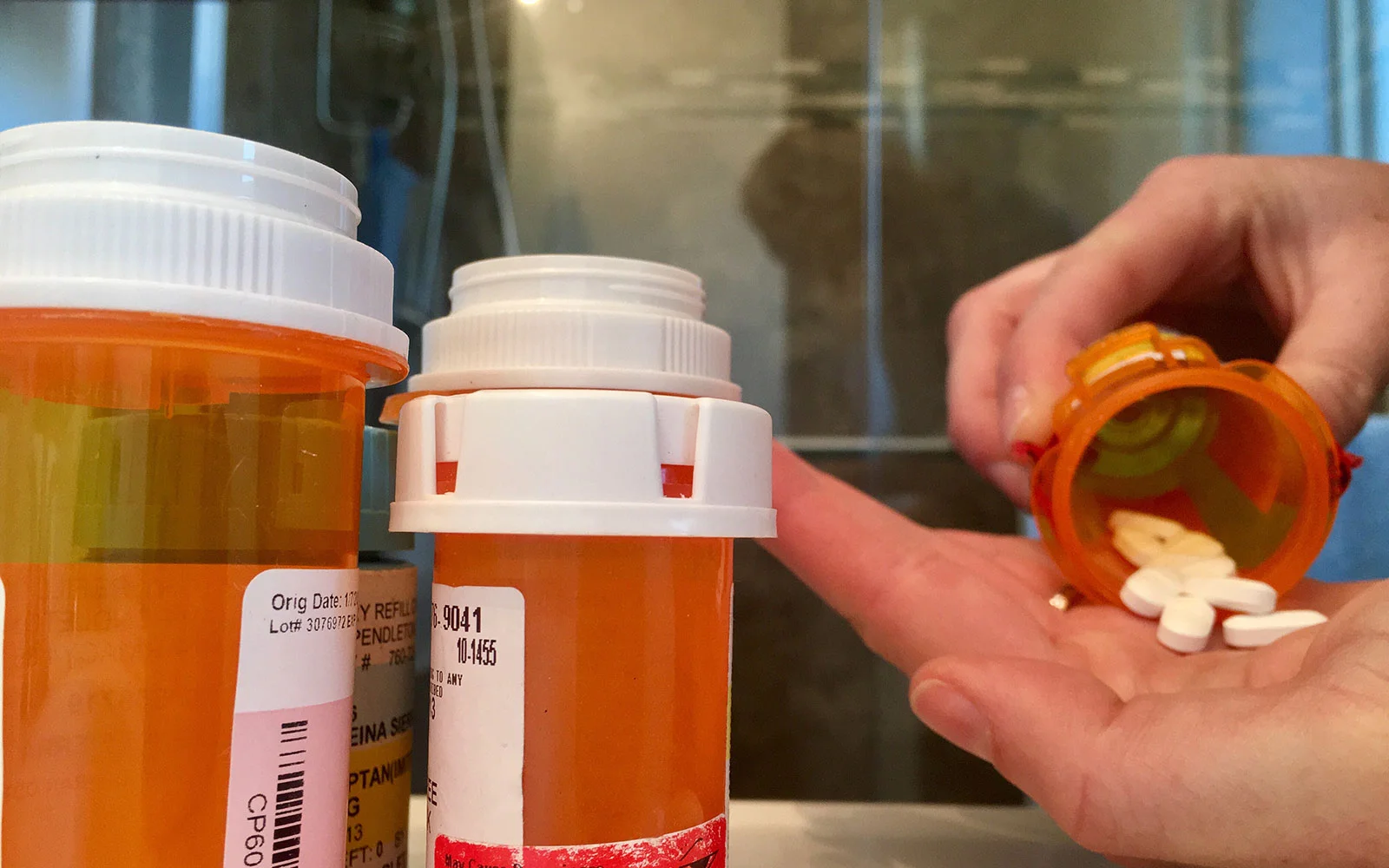
Both Dilaudid (hydromorphone) and oxycodone are prescription opioids. Prescription opioids are designed to relieve intense pain and are effective in managing acute pain, cancer-related pain, and post-surgical pain. Both medications carry serious risks because they can cause euphoria, sedation, physical dependence, respiratory depression, and overdose.
Many people ask whether Dilaudid is better than oxycodone, but the safer question is which medication fits a specific medical need. In general, neither is inherently “better.” The most suitable medication for an individual depends upon the nature of the pain being treated, the extent to which the individual uses or has used other opioids (opioid tolerance), the presence of co-existing medical conditions, concurrent use of other medications and substances that may interact negatively with either Dilaudid or oxycodone (including benzodiazepines, alcohol, sleep aids, and muscle relaxants), and the individual’s overall risk of experiencing an overdose.
Key Points
Dilaudid is the brand name for hydromorphone, while oxycodone is the active ingredient in medications such as OxyContin and some immediate-release pain medications.
Both Dilaudid (hydromorphone) and oxycodone are opioid analgesics that have been approved to treat severe pain that does not respond to less potent pain medications.
Dilaudid is generally stronger than oxycodone milligram for milligram, but dosage comparisons are estimates and should only be handled by a healthcare provider.
Both Dilaudid (hydromorphone) and oxycodone produce a range of side effects such as drowsiness, constipation, nausea, sedation, impaired judgment, physical dependence, withdrawal symptoms, low respiratory rate, overdose, and death.
What Is Dilaudid?
Dilaudid is the trade name for hydromorphone hydrochloride. Hydromorphone is an opioid analgesic used to treat pain severe enough to require an opioid when other treatments are not enough or cannot be tolerated.
As with all prescription opioids, hydromorphone comes with boxed warnings regarding addiction, misuse, potentially life-threatening respiratory depression when an overdose occurs, accidental ingestion of large amounts of the medication (especially by children), neonatal opioid withdrawal syndrome (NOWS) when pregnant women take these medications during pregnancy, and dangerous drug-drug interactions with benzodiazepines or other central nervous system depressants. [1]
Hydromorphone may be dispensed in liquid form as an immediate-release solution, orally via immediate-release tablet form, or as an injectable formulation for use in hospitals or ambulatory care centers where severe pain necessitates close medical supervision.
What Is Oxycodone?
Oxycodone is a second-generation prescription opioid used to manage moderate to severe pain. Oxycodone is available in immediate-release and extended-release formulations. OxyContin is an example of an extended-release version of oxycodone. Additionally, some combination products are also formulated with oxycodone. Examples of combination products containing oxycodone include combinations with acetaminophen. Brand names for these combination products include Percocet.
Oxycodone hydrochloride labeling identifies it as an opioid agonist. It is indicated for the treatment of pain that is sufficiently severe to warrant the use of an opioid analgesic when other treatments are ineffective or intolerable.
Labeling for oxycodone hydrochloride also includes warnings about addiction, abuse, misuse, potentially life-threatening respiratory depression when an overdose occurs, accidental ingestion of large amounts of the medication (especially by children), and withdrawal symptoms when opioids are discontinued abruptly in individuals who are physically dependent. [2]
How Does Dilaudid Compare to Oxycodone?
Like many opioids, hydromorphone works similarly to oxycodone. When consumed, both attach to opioid receptors located throughout the brain and spinal cord. While attachment results in a reduction in pain signals and produces analgesia (pain relief), it can also result in euphoric feelings, sedative effects, decreased respiration rates, constipation, and physical dependence.
Generally speaking, the primary differences lie in the strength of each medication relative to one another, availability in various formulations, routes of administration, and how each individual responds to each medication. While Dilaudid is frequently referred to as being stronger than oxycodone by milligram amount, this difference may be variable depending on a number of factors including potency, formulations available for each medication, and how each individual responds.
How Much Stronger Is Dilaudid vs Oxycodone?
Estimates of how different opioids compare for effectiveness in providing pain relief are often presented in equianalgesic tables. Using one equianalgesic table referenced above, 7.5 mg of oral hydromorphone was estimated to be approximately equal to 20 mg of oral oxycodone. Similarly, 30 mg of oral morphine was estimated to be equal to both 7.5 mg of oral hydromorphone and 20 mg of oral oxycodone. According to these estimates, oral hydromorphone appears to be 2.5 to 3 times more potent than oral oxycodone by milligram amount. Although estimates are helpful in comparing the relative potencies of different opioids, complete cross-tolerance does not exist between these medications. Doses should always be adjusted downward when switching from one opioid to another. [3]
This warning is particularly relevant since individuals should never attempt to adjust their own dosages at home or assume that one pill can be substituted for another. Dosage adjustments depend on the individual’s current dose of the original opioid medication being switched from, how long he or she has been using that opioid, his or her renal and hepatic function, his or her degree of opioid tolerance, his or her use of other medications and substances, and his or her risk for overdose.
What’s Better, Dilaudid or Oxycodone?
Ultimately, the best medication for your particular needs will depend on your specific medical situation(s). For some individuals, oxycodone may provide sufficient relief from pain without producing as many unwanted side effects. For others, hydromorphone may be recommended for use in a hospital setting or under very close medical supervision for extremely severe pain.
Healthcare providers will consider the following before making this determination:
The nature and intensity of your pain
The length of time you plan to continue taking the medication
Your previous experiences with opioids
Any underlying health conditions you have
Other medications or substances you currently take
Your risk for developing an opioid use disorder
Any history you may have related to overdosing on opioids
Whether your pain may be effectively managed using non-opioid methods
No opioid is “the best” if you are using it without a legitimate prescription, taking it in excess of what your healthcare provider recommends, taking it with other medications and substances, or using it primarily to obtain feelings of euphoria rather than to alleviate pain.
Side Effects of Dilaudid and Oxycodone
Dilaudid and oxycodone can cause similar side effects because both act on opioid receptors.
Common adverse reactions include:
Drowsiness
Dizziness
Constipation
Nausea or vomiting
Itchiness
Dry mouth
Sweating
Confusion
Impaired coordination or judgment
Less common but more serious adverse reactions may include:
Reduced respiratory rate or respiratory depression
Hypotension
Excessive sedation or unconsciousness
Fainting
An opioid overdose resulting in coma or death
Addiction or dependence
Withdrawal symptoms or withdrawal syndrome
Respiratory depression (shallow breathing) causes carbon dioxide buildup and low levels of oxygen. It can be fatal.
Drug Interactions and Overdose Risk
Combining Dilaudid (hydromorphone), oxycodone, and/or alcohol with benzodiazepines, sleep aids, muscle relaxers, or other central nervous system (CNS) depressants increases the danger of adverse reactions such as slow or labored breathing and death. The United States Food and Drug Administration (FDA) has issued warnings that combining opioid pain relievers with benzodiazepines or other CNS depressants has resulted in severe side effects, including slow or labored breathing and death. [4]
Overdose risk increases when someone uses counterfeit pills or unknown substances that may contain fentanyl or other high-potency synthetic opioids.
Naloxone is a medication that reverses an opioid overdose. Those taking prescription opioids or using opioids not under medical direction should inquire about naloxone availability.
Dilaudid, Oxycodone, and Physical Dependence
Repetitive use of opioids will often result in physical dependency, regardless of whether an individual uses their medications as directed. Dependency occurs when the body adapts to the presence of the opioid. Withdrawal symptoms may occur upon sudden cessation of the medication or reduction of the dose too quickly.
Common withdrawal symptoms from opioid use include:
Anxiety
Restlessness
Sweating
Chills
Muscle aches
Insomnia
Nausea
Vomiting
Diarrhea
Runny nose
Watery eyes
Cravings
It’s possible for people to continue to use opioids for years because of withdrawal symptoms, which may no longer produce significant pain relief or feelings of euphoria; the individual continues to take them to prevent withdrawal symptoms.
When Opioid Use Becomes a Problem
Prescription opioid misuse becomes problematic when its use moves beyond the parameters set forth by a prescribing physician. Signs of problematic use may include: increasing dosages beyond what was prescribed, continuing to take medication before it’s time to refill your prescription, mixing opioids with benzodiazepines or alcohol, visiting multiple physicians to receive prescriptions for the same type of medication (doctor shopping), using someone else’s prescription medication, experiencing cravings for the opioid, or feeling as though you cannot stop taking the medication.
According to the Substance Abuse and Mental Health Services Administration (SAMHSA) guide for treating opioid use disorder, FDA-approved treatments for opioid use disorder include methadone, buprenorphine, naltrexone, along with counseling and recovery support. [5] Treatment can provide stabilization of the individual physically and emotionally, education regarding patterns of behavior associated with the misuse of opioids, management of withdrawal symptoms, and training regarding long-term recovery techniques.
Treatment for Opioid Misuse in New Brunswick, New Jersey
At SOBA New Jersey, we provide treatment for drug addiction and alcoholism at our New Brunswick, New Jersey, location. If you are struggling with addiction to opioids like Dilaudid or oxycodone, reach out today to begin your recovery journey.
Frequently Asked Questions About Dilaudid vs Oxycodone
01
Is Dilaudid (hydromorphone) stronger than oxycodone?
Yes. Dilaudid (hydromorphone), by comparison with oxycodone milligram for milligram, is generally stronger. However, comparisons of estimated relative potency among opioids should not be used to adjust prescription amounts or dosages of either drug without consulting your physician.
02
What’s better, Dilaudid or oxycodone?
There isn’t one best. Ultimately, the appropriate medication for you will depend upon the type of pain you have, how tolerant you’ve become to opioids, your medical history, potential side effects, and other individualized risk factors. Your physician will decide which medication is most suitable for you.
03
How many times stronger is Dilaudid than oxycodone?
Equianalgesic tables provide an estimate that oral hydromorphone may be approximately two-and-a-half to three times stronger than oral oxycodone based on dose. There is considerable variation in the way different individuals respond to opioid medications, so there is no substitute for medical supervision of dosage conversions.
04
What are the most common side effects of Dilaudid?
The most common adverse reactions to hydromorphone (Dilaudid) include: drowsiness, constipation, nausea, dizziness, sedation, confusion, slowed breathing rate, development of physical dependency, occurrence of withdrawal symptoms when the drug is discontinued or reduced in dosage, overdose (due to excessive dosage).
05
What are the most common side effects of oxycodone?
The most common adverse reactions to oxycodone include: drowsiness, constipation, nausea, dizziness, sedation, confusion, itching, slowed breathing rate, development of physical dependency, occurrence of withdrawal symptoms when the drug is discontinued or reduced in dosage, and/or overdose (due to excessive dosage).
06
Can I take both Dilaudid and oxycodone at the same time?
No. Unless your healthcare provider has specifically told you otherwise. Taking two different types of opioid drugs simultaneously increases your risk of developing excessive sedation, slowed breathing rates (respiratory depression), and increased risk of overdose and death.
07
Will taking Dilaudid or oxycodone cause me to become addicted?
Both medications are controlled substances and can lead to physical dependence or opioid use disorder, especially when taken in higher doses, used longer than directed, or taken for non-medical reasons.
If your relationship with prescription drugs has changed into something that is impairing your health, relationships, job, or functioning, SOBA can help. Our team supports adults struggling with prescription drug addiction and can provide services to help you manage withdrawal symptoms, cravings, and any co-occurring mental health disorders that present with it.
Whether you are looking for treatment for prescription drug abuse, support after detox, or help for a loved one, you do not have to figure it out alone.
Reach out to SOBA New Jersey today to speak with an admissions specialist and learn how prescription drug addiction treatment can help you take the next step.

 (888) 229-7989
 Client Portal